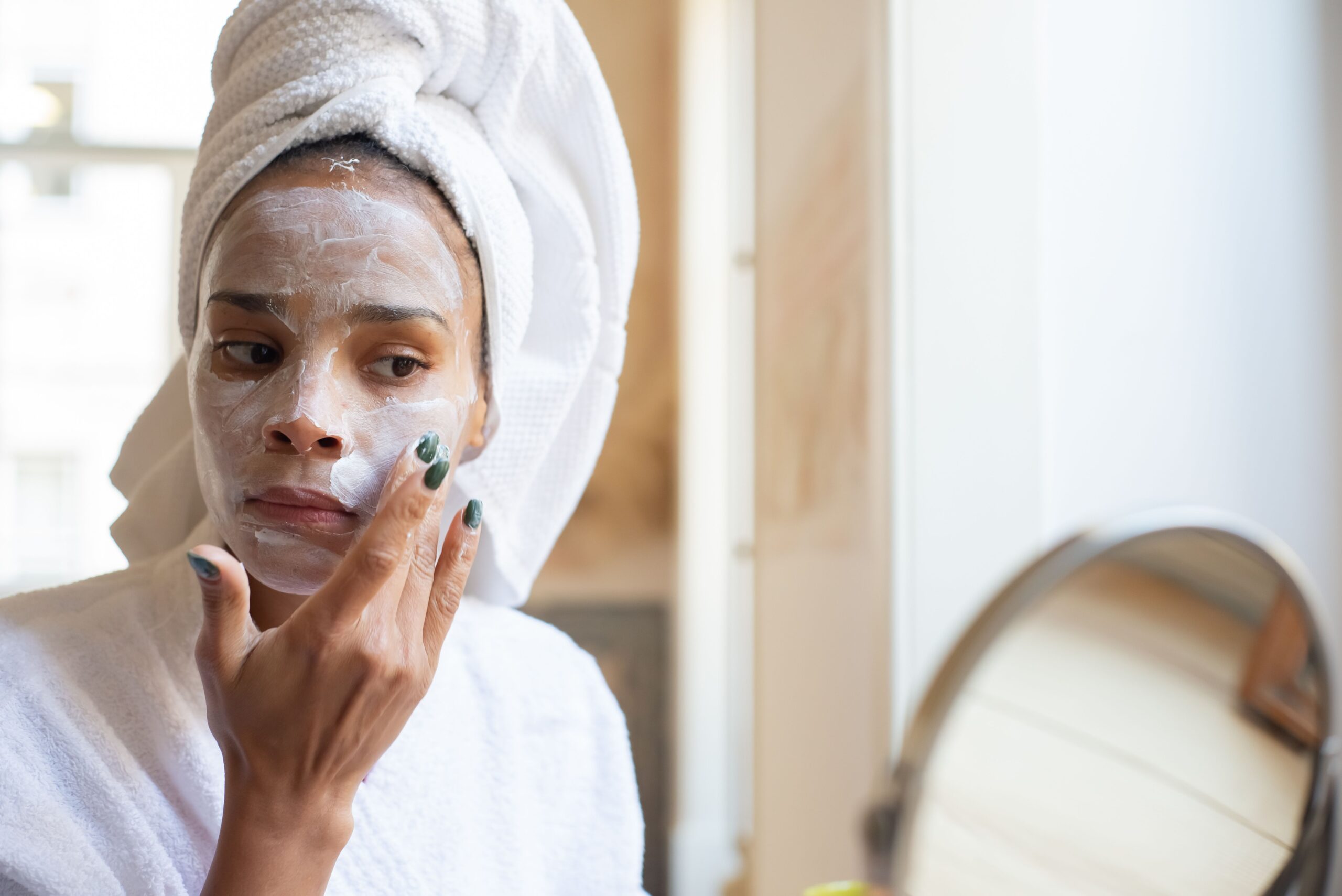
Cold weather can change how skin feels long before the temperature becomes uncomfortable. Outdoor air often holds less moisture in winter, while indoor heating can make the air drier. Add long hot showers, frequent handwashing and fragranced products, and skin can become tight, flaky, itchy or cracked. A winter routine does not need to be complicated; it needs to protect the skin barrier and replace moisture consistently.
The American Academy of Dermatology recommends short, warm showers, gentle fragrance-free cleansers and applying moisturizer while skin is still damp. Those basics are often more useful than adding a shelf full of new products.
Why skin gets drier in winter
Skin loses water more readily when the surrounding air is dry. Cold outdoor conditions and heated indoor spaces can both contribute. Hot water and harsh cleansers may strip away oils that help the outer skin layer retain moisture. The result can be roughness, scaling, tightness and itching.
Dryness is not always just a seasonal inconvenience. Cracked skin can become painful, and persistent itching or inflammation may be related to eczema or another skin condition. If symptoms are severe, recurring or not improving with basic care, a dermatologist can help identify the cause.
Choose a moisturizer that matches your skin
For very dry skin, creams and ointments generally hold moisture better than lightweight lotions. Look for fragrance-free products with ingredients such as petrolatum, glycerin, dimethicone, mineral oil, shea butter or hyaluronic acid. These ingredients work in different ways: some attract water, some soften the skin and others help reduce water loss.
There is no single ingredient that works best for everyone. A richer ointment may be helpful on hands, elbows or rough patches, while a lighter cream may feel more comfortable on the face. If a product stings, causes a rash or makes irritation worse, stop using it and consider professional advice.
Use a gentler shower routine
Long, hot showers can make dry skin worse. The AAD recommends limiting baths and showers to about five to ten minutes and using warm rather than hot water. Use a gentle cleanser where it is needed instead of aggressively washing every area with a strong, heavily foaming soap.
When you finish, pat your skin with a towel rather than rubbing it vigorously. Apply moisturizer immediately while the skin is still slightly damp. This helps trap some of the water left on the skin rather than allowing it to evaporate quickly.
Protect hands, lips and exposed skin


Hands often become dry because they are washed repeatedly and exposed to cold air. Keep a fragrance-free hand cream nearby and apply it after washing. Wear gloves outdoors and protective gloves when cleaning or washing dishes. For lips, use a simple balm or petroleum jelly and reapply when they feel dry.
Cold-weather clothing can also irritate sensitive skin. Soft layers such as cotton or silk next to the skin may be more comfortable than rough wool or synthetic fabrics. If a scarf or collar rubs an irritated area, adjust the fabric or add a softer layer underneath.
Do not forget indoor humidity and sunscreen
A clean, properly maintained humidifier can add moisture to dry indoor air. Follow the manufacturer’s cleaning instructions; a poorly maintained humidifier can become a source of mold or microbial contamination. Keep the device and surrounding surfaces dry enough to avoid condensation.
Sun protection remains important in winter. Ultraviolet exposure does not disappear when the weather turns cold. The AAD recommends broad-spectrum, water-resistant sunscreen with SPF 30 or higher on exposed skin, along with protective clothing and shade when appropriate.
Ingredients and habits that may make dryness worse
Fragrance, alcohol-heavy products, harsh soaps and aggressive exfoliation can irritate already dry skin. Retinoids and exfoliating acids may also be too irritating for some people when their skin barrier is compromised. That does not mean everyone must stop prescribed skin treatments; ask the clinician who recommended them before changing a treatment plan.
Be cautious about social-media claims that one serum or supplement can “repair” every skin problem. A basic moisturizer and gentler bathing habits are often a better starting point than buying multiple products with overlapping promises.
When to see a dermatologist
Seek professional advice if dryness becomes painful, cracks or bleeds, produces a persistent rash, disrupts sleep or does not improve with consistent home care. People with eczema, psoriasis or other skin conditions may need a tailored plan rather than a generic seasonal routine. A dermatologist can help distinguish ordinary dryness from inflammation or another problem.
A simple winter routine to start with
- Morning: use a gentle cleanser if needed, apply moisturizer and protect exposed skin with SPF 30 or higher sunscreen.
- After washing hands: apply a fragrance-free hand cream.
- After bathing: pat skin dry and apply a cream or ointment while skin is damp.
- Before going outside: cover exposed skin, wear gloves and use lip balm.
- At night: moisturize dry areas and run a clean humidifier if indoor air is very dry.
The bottom line
Winter skin care is less about buying a new routine and more about reducing moisture loss. Short warm showers, gentle fragrance-free products, richer moisturizers and protection from cold air can help many people manage seasonal dryness. If skin becomes painful, cracked or persistently inflamed, get medical advice rather than trying product after product.
Related reading: Jolie’s Filtered Showerhead and Beauty; How to Style a Long-Coat Outfit.
Sources: American Academy of Dermatology: Dermatologists’ tips for relieving dry skin; AAD: How to pick the right moisturizer; AAD: Dry skin overview.




Leave a Reply