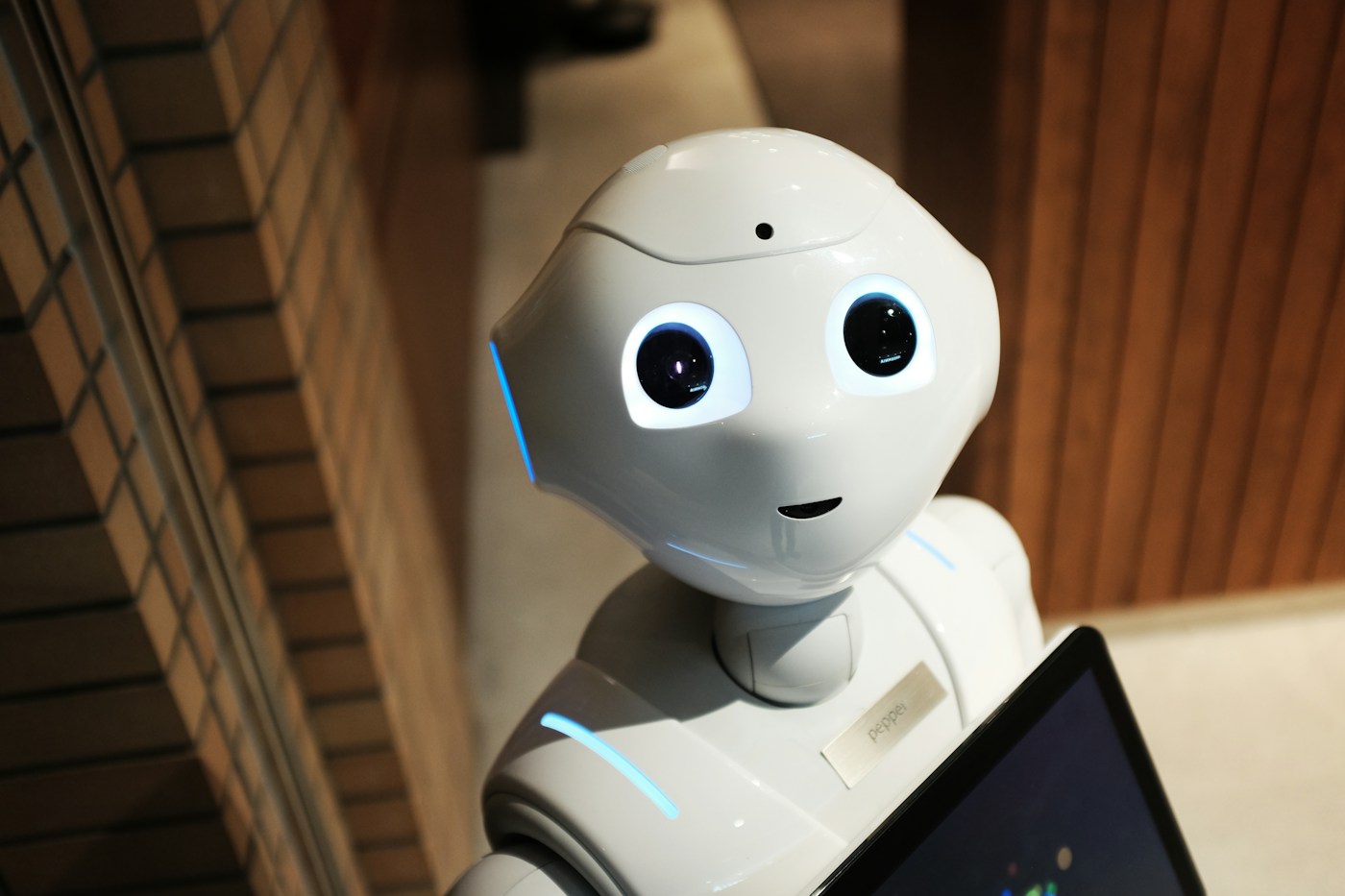
Humanoid robots are becoming harder to dismiss as science fiction. Some can hold conversations, track faces, gesture and produce remarkably lifelike expressions. Others are being developed to move boxes, work in factories or handle repetitive tasks. But there is an important distinction behind the impressive demonstrations: looking human is not the same as thinking, moving or adapting like a human.
Ameca and the rise of expressive androids

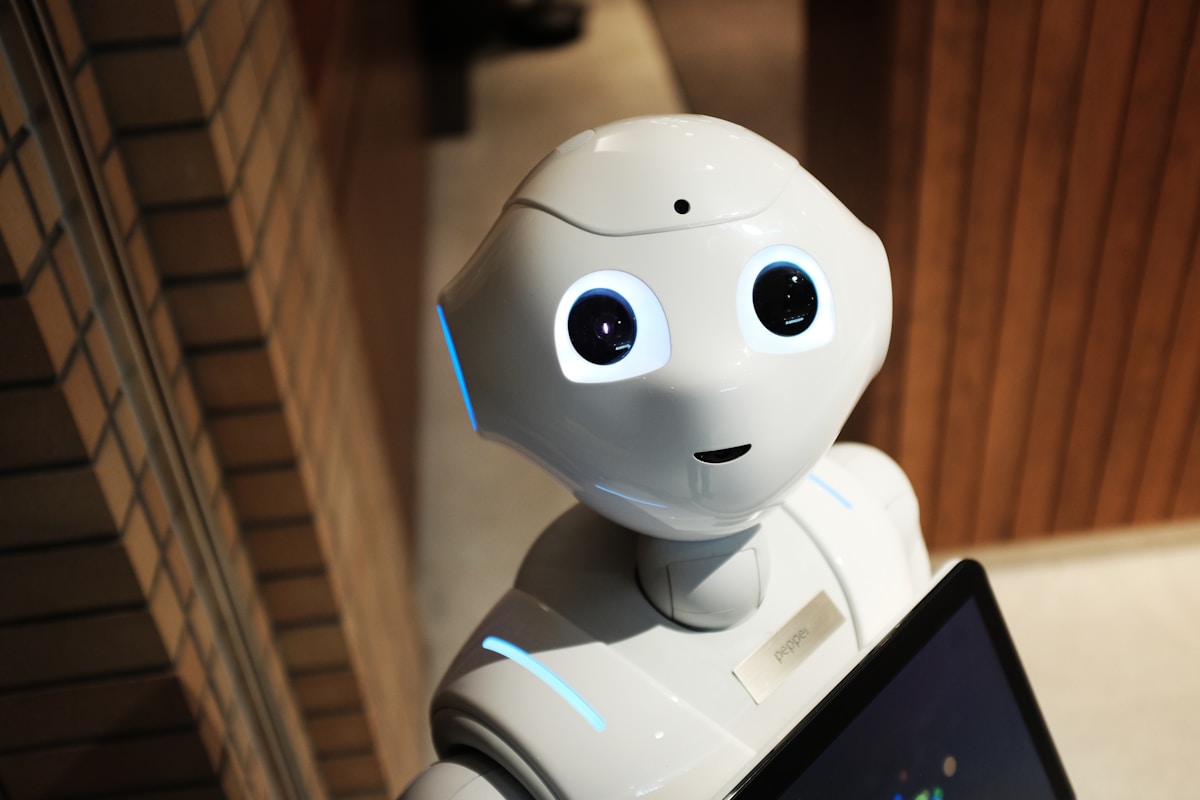
One of the best-known examples is Ameca, developed by British robotics company Engineered Arts. The company describes Ameca as a social humanoid robot designed for human interaction. Its current product information lists 61 actuated movements, cameras, microphones and a software platform that can connect speech recognition, language-processing and text-to-speech systems.
Ameca’s face and upper-body movements are designed to make interaction feel more natural. The robot can display a range of expressions and gestures, which can make a demonstration feel surprisingly personal. Those capabilities are useful in exhibitions, research, education and customer-facing demonstrations. They do not, by themselves, establish that the robot experiences emotions or understands a situation in the way a person does.
The next challenge is useful work, not just a convincing face

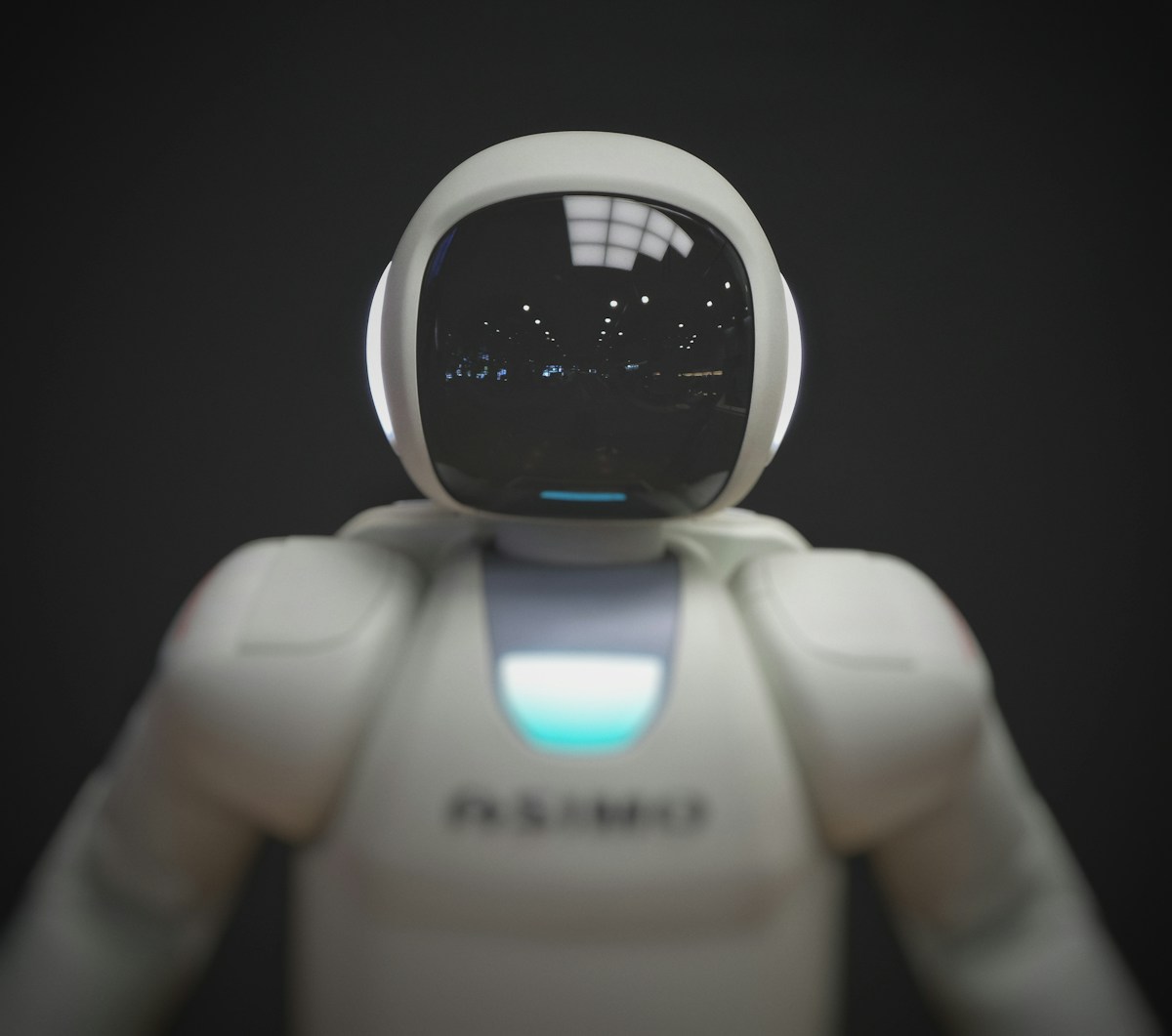
Companies including Tesla, Figure, Apptronik, Agility Robotics, Boston Dynamics and 1X are pursuing humanoid machines for tasks that could eventually include industrial work and, in some cases, household assistance. Their approaches differ. Some emphasize human-like mobility and dexterity; others focus on practical deployments in controlled workplaces.
Recent reporting on Tesla’s Optimus program describes early production activity but also substantial hurdles before dependable commercial use. Dexterous hands, reliable perception, safe operation around people and the ability to handle unexpected situations remain difficult engineering problems. A robot performing a prepared demonstration is not the same as one completing a full work shift without close supervision.
That gap matters because real environments are messy. Objects may be placed in unfamiliar positions, floors and lighting conditions change, people move unpredictably and a task may require judgment that was not anticipated in advance. A useful humanoid must combine hardware, software, battery life, maintenance and safety into a system that works consistently—not merely look impressive on camera.
Why companies are investing in humanoid designs

Many workplaces are designed around people: stairs, door handles, shelves, carts and tools assume a human-sized body. A humanoid form could, in theory, let a robot use some of that existing infrastructure without requiring an entirely redesigned facility. The business case depends on whether the machine can perform a task safely and economically compared with people or specialized automation.
Social robots have a different purpose. A lifelike face and conversational interface may make a machine easier to approach in a museum, reception area or public demonstration. But designers must be clear about what the robot can and cannot do, how it handles personal information and whether people are interacting with an automated system rather than a human employee.
The limits—and the questions—still matter

Human-like appearance can create expectations that the technology cannot meet. A robot may imitate a smile without feeling happiness; it may produce fluent language without having human experience. Users should distinguish expressive behavior from consciousness, and companies should avoid implying capabilities that have not been demonstrated.
Safety is another central issue. Machines operating near people need reliable sensors, emergency stops, predictable movement and clear operating boundaries. Privacy also deserves attention when cameras and microphones are part of the system. As humanoids move from controlled demonstrations into public or workplace settings, these practical safeguards will matter as much as the appearance of the robot.
The bottom line

Today’s androids are more expressive, and humanoid robots are moving toward more practical roles, but the technology is not at the point where machines can simply pass as people or perform any task a person can. Ameca shows how far social interaction and facial movement have progressed; industrial projects show the push toward useful physical work. The next milestone will not be a more realistic face alone. It will be a robot that can complete valuable tasks safely, reliably and transparently in the unpredictable world outside the laboratory.
Sources and further reading

- Engineered Arts: Ameca specifications and capabilities
- The Verge: Tesla Optimus production and remaining challenges
- Humanoids Daily: The next generation of humanoid robots