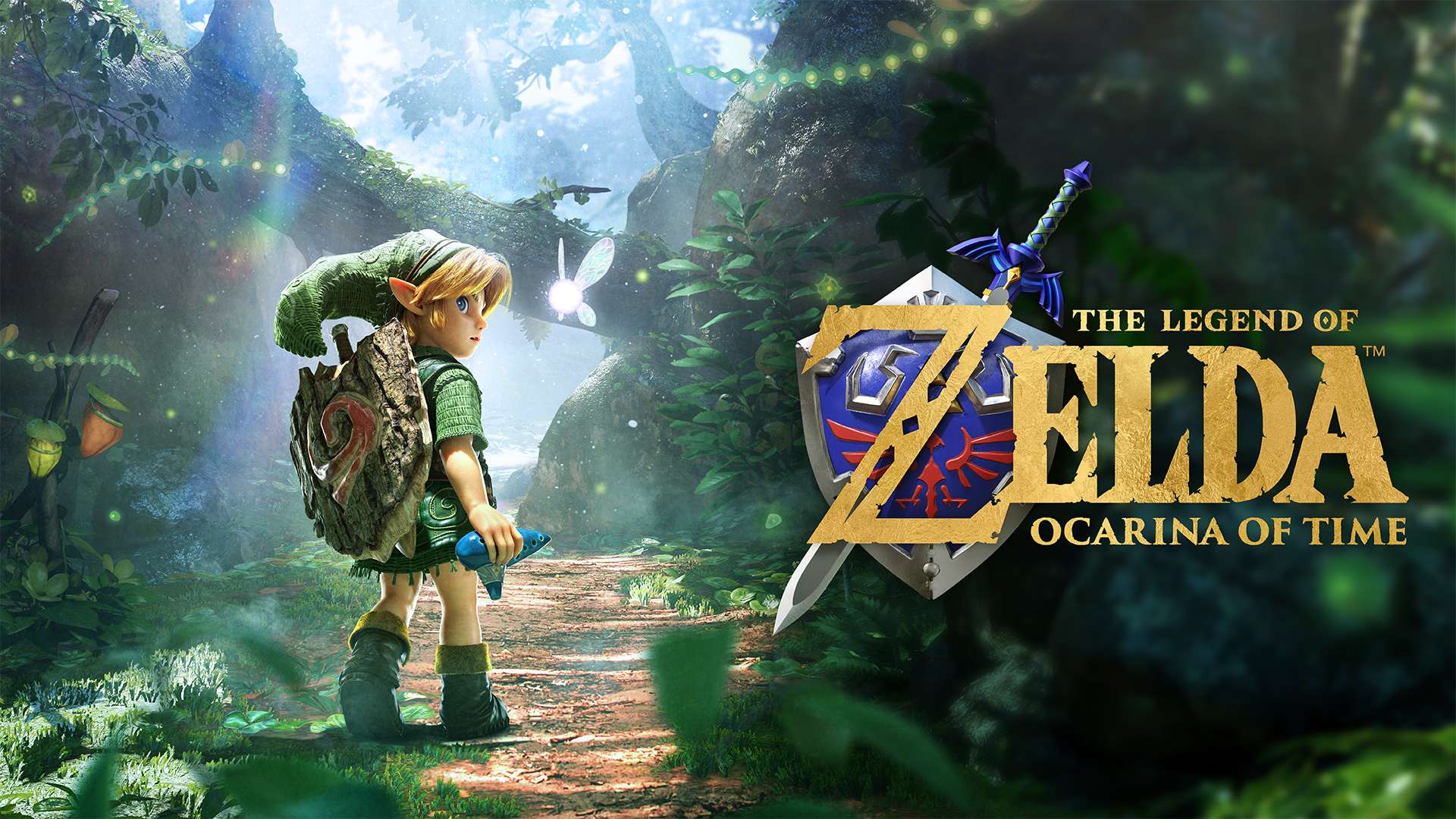
The Legend of Zelda: Ocarina of Time is now available exclusively for Nintendo Switch 2, giving a new generation of players access to one of the best-known adventures in the franchise. Nintendo announced the release on November 5, 2026, and positioned the game as an accessible starting point for people who have never played a Zelda title as well as a return trip for longtime fans.
The announcement is straightforward about availability and the core adventure, but readers should be careful not to assume technical details that Nintendo has not listed in the release notice. The safest buyer’s guide is to separate what the company has confirmed from the features and performance questions that players should verify in the eShop before purchasing.
What Nintendo confirmed about Ocarina of Time on Switch 2

Nintendo’s U.S. news post says Ocarina of Time is out now and exclusive to Nintendo Switch 2. The story follows Link and his fairy companion Navi as they attempt to stop Ganondorf, explore Hyrule, enter dungeons, collect weapons and solve puzzles. Nintendo also highlights the game’s time-travel structure, with the adventure unfolding across two different periods.
That two-era structure is central to the game’s identity. The player’s actions and access to locations change as Link moves between childhood and adulthood, making the passage of time more than a story device. It affects the world, the puzzles and the way the player approaches certain challenges. The result is an adventure that combines exploration, combat, environmental puzzles and a memorable sense of progression.
Nintendo also calls the release a good jumping-off point for people who have only played newer entries or have never tried the series. That is useful context for newcomers, but it does not mean every part of the game is designed like a modern open-world title. Ocarina of Time is structured around a more deliberate sequence of regions, dungeons, items and puzzle-solving milestones.
The official announcement is available here: Nintendo’s Ocarina of Time release notice. It confirms the platform and basic premise; readers should consult the live Nintendo eShop listing for their region to confirm the current price, download size and any technical notes before buying.
Who should play it—and what to check before purchasing

Longtime Zelda fans have an obvious reason to revisit the adventure: the game’s dungeon design, memorable music, time-based world changes and central characters remain important reference points for the series. New players have a different reason to try it. Ocarina of Time provides a clear look at the structure that helped define later 3D action-adventure games, from targeting enemies to using tools to solve environmental puzzles.
Before buying, check four things in the Nintendo eShop listing: the price shown for your country, whether the purchase is a standalone digital release or part of a subscription offering, the amount of storage required and any compatibility or controller notes. Do not rely on a screenshot from another country’s storefront because regional pricing and availability can differ.
It is also worth setting expectations. Nintendo’s announcement describes the game as reborn for Switch 2, but the post itself does not provide a complete technical comparison with earlier versions. Until a detailed feature breakdown is published, avoid assuming a particular resolution, frame rate, visual overhaul or added content. A buyer should judge the release on the confirmed features and the current price rather than an unverified claim circulating in a fan post.
Our earlier November 2026 video game release guide covers other games arriving this month. For players deciding whether to revisit Hyrule, the key question is simple: do you want a carefully structured classic adventure, or are you looking for a modern game built around a much larger open world?
Players who have never tried the game should also know that its pace is more deliberate than many current action adventures. Exploration is built around learning how each area works, finding the right item for a puzzle and returning to places when new abilities open another route. That structure can feel refreshing if you enjoy a clear sense of progression, but it may feel more guided than a modern open-world game that allows the player to roam almost anywhere from the beginning.
Returning players may care more about how this release compares with the version they remember. The official announcement confirms the Switch 2 release but does not provide a full technical comparison, so it is better to wait for verified details or hands-on testing before deciding that a particular visual or performance change is included. A purchase decision should be based on the actual listing, your interest in replaying the adventure and whether the new platform access is worth the price for you.
Bottom line: Ocarina of Time is available now, exclusively on Nintendo Switch 2. Nintendo has confirmed the story and core gameplay premise; check the eShop listing for your region before purchasing and wait for a detailed technical breakdown before assuming what has changed.



Leave a Reply