
You do not have to invent the next big app or buy a garage full of inventory to start earning extra money. Sometimes the most practical business idea is hiding in something people already ask you to do: fixing a phone, editing a video, organizing a schedule, taking good photos, explaining a difficult subject, or making something by hand.
A side hustle is not automatically easy money, and it is not guaranteed income. It is a small business experiment: you offer something useful, find out whether people will pay for it, and improve the offer based on real feedback. Starting with skills you already have can reduce the cost and learning curve because you are not beginning from zero.
Start with a skill that solves a real problem

The strongest starting point is not necessarily the thing you enjoy most. It is the overlap between what you can do reliably, what other people need, and what you can deliver within the time you actually have. Write down tasks you already handle well at work, at home, or for friends. Then ask which of those tasks saves someone else time, reduces frustration, or helps them reach a goal.
For example, someone who is comfortable with social media could offer a small business a monthly package of scheduled posts, basic captions, and simple performance reporting. A person who enjoys photography could create product photos for local sellers. Someone who is organized might provide virtual-assistant help with inboxes, appointments, research, or document formatting. A strong writer could offer proofreading, product descriptions, or blog editing. A patient subject-matter expert could tutor students or teach beginners.
The key is to turn a broad ability into a specific outcome. “I do social media” is vague. “I prepare and schedule twelve posts a month for local businesses” is easier to understand, price, and evaluate. “I am good with computers” is broad. “I help older adults organize photos, set up backups, and learn basic phone settings” describes a service someone can picture buying.
Before choosing an idea, consider four practical limits: how many hours you can consistently give it, whether you need equipment or training, whether local rules or insurance apply, and whether the work can fit around your existing responsibilities. The U.S. Small Business Administration recommends researching customers and competitors and estimating startup costs before launching. Its planning resources are a useful starting point: SBA market research and competitive analysis.
You can also build on the useful skills covered in our guide to free websites that make everyday life easier and our overview of getting more from your smartphone. A low-cost tool can help you deliver a service, but the tool itself is not the business. The value is the problem you solve.
Test the idea before spending heavily

The first goal is not to build a perfect logo, website, or complicated brand. It is to find out whether a real person wants the result you are offering. Describe the service in one or two sentences, show a sample of what the customer would receive, and ask a small group of likely customers what they would need from it. If possible, offer a clearly limited first project at a fair introductory price in exchange for honest feedback—not a promise of a glowing review.
Keep the first version small. A photographer might offer a short product shoot with a fixed number of edited images. A virtual assistant might offer a two-hour organization session. A tutor might offer one subject-specific lesson. A creator might prepare a small batch of posts for one business. A small, clearly defined package helps you estimate the time involved and prevents the project from expanding without compensation.
Track every cost and every hour. Include supplies, software, payment-processing fees, travel, shipping, revisions, communication, and the time spent finding customers. If a $100 project takes ten hours after all the hidden work is counted, that is very different from a $100 project that takes two hours. Your price should reflect the complete job, not just the visible part.
Ask for feedback after delivery. What was most useful? What was confusing? Would the customer pay for it again? Would they recommend it to someone with the same problem? Those answers are more valuable than likes on a social post because they tell you whether the offer has a chance of becoming repeatable.
If demand is weak, do not immediately assume you need more advertising. The service may be unclear, the target customer may be wrong, or the problem may not be urgent enough. Adjust one part at a time and test again. The SBA’s startup-cost guidance can help you identify expenses before you commit to them.
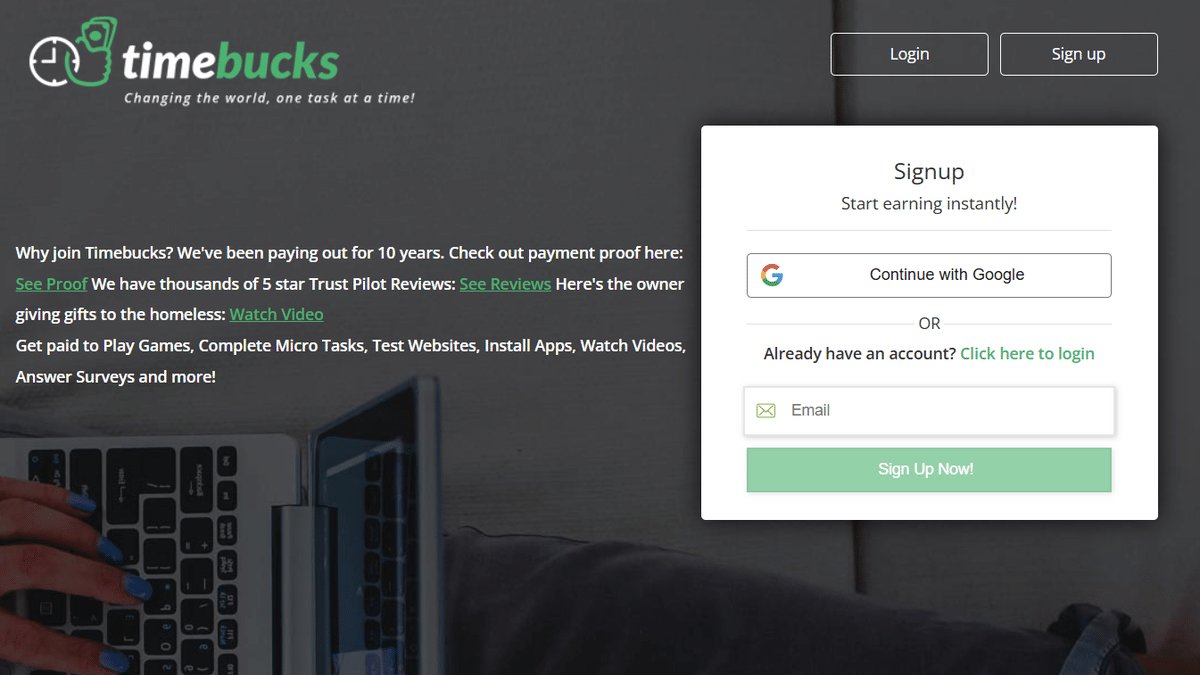
Be cautious with opportunities that promise unusually high income for almost no work. The Federal Trade Commission warns that fake side-hustle offers often arrive through unexpected texts, social messages, or emails, and may ask for upfront payments or sensitive personal information. Read the FTC’s guide to avoiding side-hustle scams, and remember that you should never have to pay someone simply to receive a job.
Our existing guide on recognizing online scams is worth reading before sharing financial or identity information with a stranger.
A side hustle becomes more sustainable when it has a clear customer, a specific offer, realistic pricing, and a delivery process you can repeat. You do not need to quit your job or spend a lot before you know whether the idea works. Start with one useful skill, one small offer, and one real customer. Let evidence—not hype—decide what you build next.

Leave a Reply