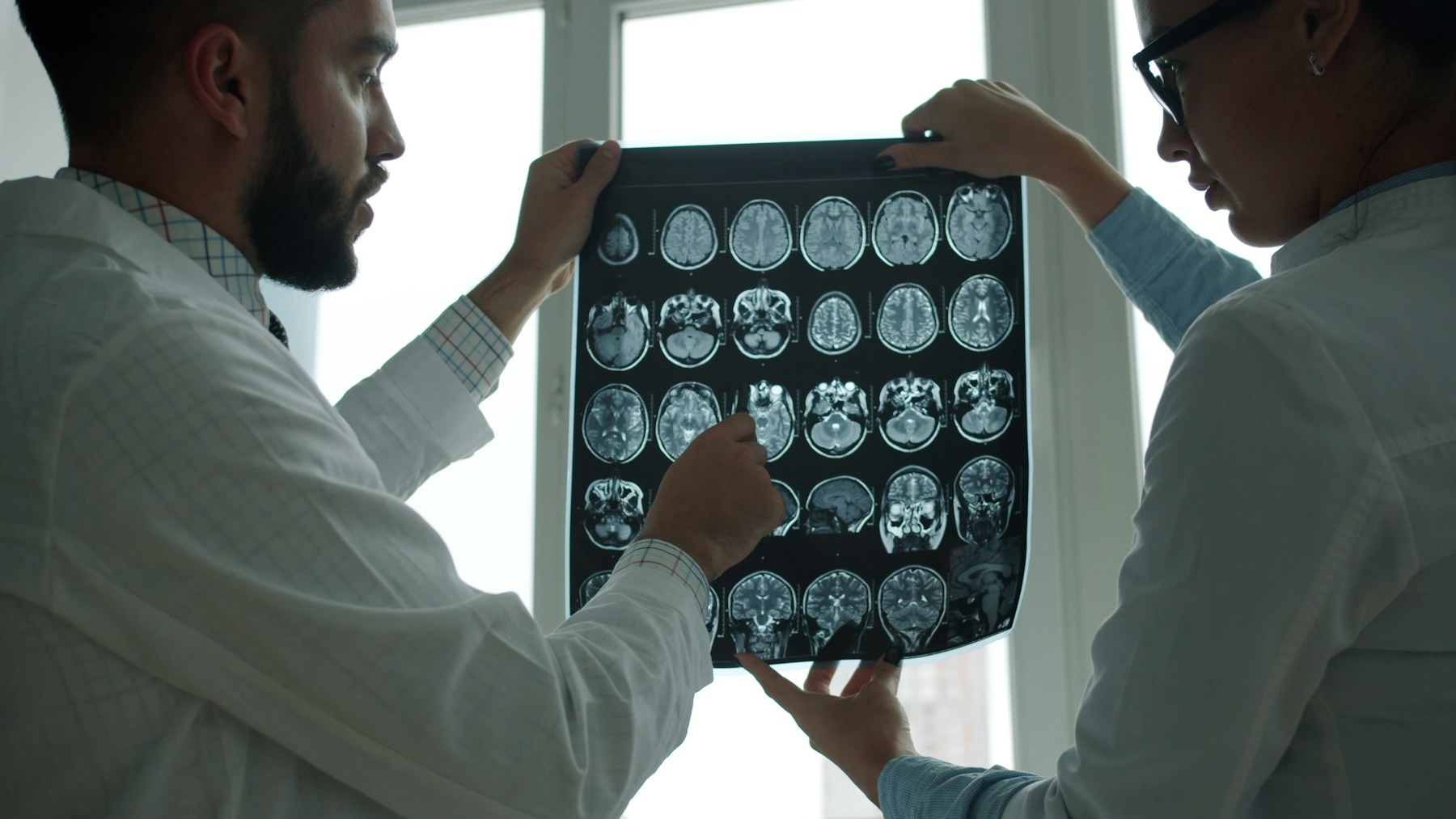
The human brain is an active, adaptable organ that helps coordinate movement, process sensory information, regulate many body functions and make thought possible. It is often described as a computer, but that comparison only goes so far: the brain is biological, constantly changing and deeply connected to the rest of the body.

The brain is a network, not a single command button
The brain contains billions of neurons, supported by other cells that help maintain the environment in which neurons work. Neurons communicate through electrical signals and chemical messengers. A thought, memory or movement is not stored in one tiny location; complex functions depend on networks working together.
Different regions have specialized roles, but they do not operate in isolation. Vision, language, attention and movement involve connected systems. This is one reason brain injuries can have effects that vary widely depending on the location and extent of damage.
Memory is reconstructed, not replayed like a video
Memory is not a perfect recording. Remembering involves processes that encode information, stabilize it and later retrieve it. Each recall can be influenced by context, attention, emotion and what a person has learned since the original event.
That is why two people can remember the same event differently—and why confidence alone does not guarantee accuracy. Notes, photographs and contemporaneous records can help when details matter.

Sleep supports learning and brain health
Sleep is not simply downtime. It supports memory processing, attention, mood and many biological maintenance functions. Regularly getting too little sleep can make it harder to concentrate, learn new information and regulate emotions.
A useful routine is more reliable than chasing a single miracle technique: keep a consistent sleep schedule, make the bedroom comfortable and reduce stimulating activity close to bedtime. Persistent sleep problems deserve discussion with a qualified health professional.
Neuroplasticity means the brain can change
Neuroplasticity describes the brain’s ability to change its structure and function in response to experience, learning and injury. Practice can strengthen useful patterns, while disuse may weaken them. Change is possible throughout life, although age, health and the type of learning influence how it happens.
This does not mean every skill can be mastered instantly. Progress usually requires focused repetition, feedback, rest and time. Short, regular practice sessions can be more manageable than occasional marathon efforts.
Five common brain myths to leave behind
- People use far more than 10 percent of their brains; the claim that 90 percent sits unused is a myth.
- There is no simple left-brain/right-brain personality split. Both hemispheres contribute to most complex activities.
- Memory is fallible, even when a recollection feels vivid.
- Brain training games may improve practiced tasks, but broad claims that they dramatically raise general intelligence require stronger evidence.
- A single food, supplement or trick does not unlock extraordinary brain performance. Overall health habits matter more.
What actually helps support your brain?
Evidence-informed basics include regular physical activity, adequate sleep, learning and social engagement, managing cardiovascular risk factors, and seeking care for hearing, mood or sleep concerns. No habit guarantees protection from neurological disease, but a consistent approach supports overall health.
Sources and further reading
NINDS: Know Your Brain · National Institute on Aging: Brain Health · CDC: About Sleep
The brain is remarkable not because it is limitless, but because it is adaptable. Understanding how it works can help us learn more effectively, question oversimplified claims and make better everyday choices.



Leave a Reply