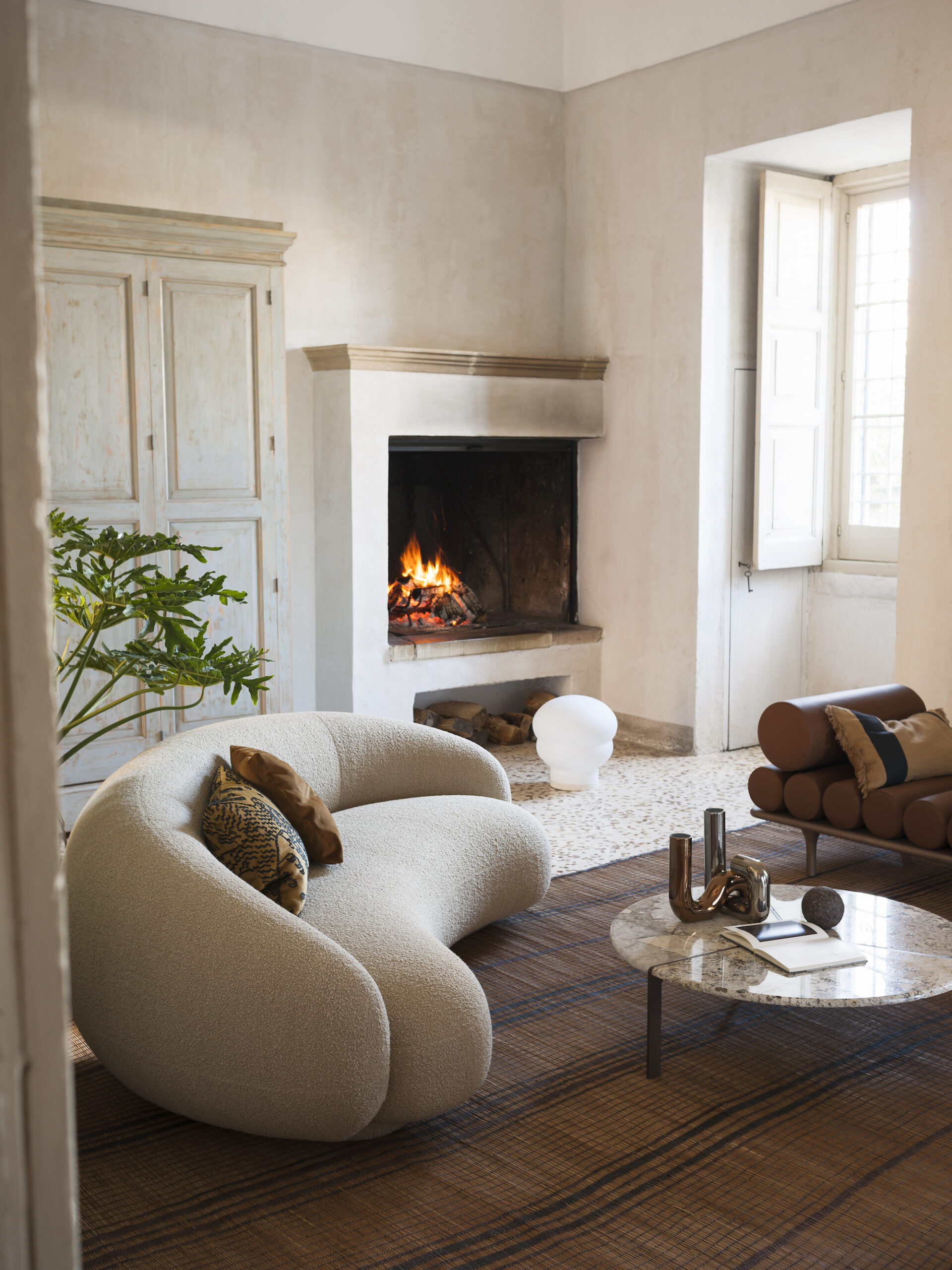
Japandi interior design brings together two design traditions that share a preference for simplicity, natural materials and practical beauty: Japanese restraint and Scandinavian comfort. The result is a home that feels calm without being cold, uncluttered without looking empty, and warm without relying on excessive decoration.
The name combines “Japan” and “Scandi,” a shorthand for the blend. It has also become a strong search topic: Exploding Topics lists Japandi at an estimated 135,000 monthly searches and reports 8,200% growth between October 2016 and September 2026. Those are third-party search estimates over a long period, not a count of searches happening this month. The numbers point to sustained interest in a style that has moved well beyond a short-lived social-media aesthetic.
What is Japandi style—and what makes it different?

Japanese design contributes an appreciation for negative space, careful craftsmanship, natural materials and objects chosen with intention. Scandinavian design adds everyday comfort, functional furniture, soft textiles and an inviting use of light. Japandi combines those ideas rather than copying one country’s traditional interiors literally.
A Japandi room usually has a restrained color palette—warm white, cream, oatmeal, sand, taupe, muted grey or earthy brown—with wood providing much of the visual warmth. Darker accents such as charcoal, black or deep walnut can add contrast. The aim is not to make every surface beige; it is to create a limited palette that lets materials and shapes stand out.
Furniture tends to sit low and have clean, uncomplicated lines. A sofa may have a simple profile and natural upholstery. A coffee table may be made from solid wood with visible grain. Shelving is edited rather than crowded, and decorative objects are selected for texture, usefulness or personal meaning.
Natural materials are central to the look. Wood, linen, cotton, wool, stone, bamboo, rattan, paper and handmade ceramics all fit naturally. Texture matters because a room with a limited color palette can feel flat if every surface is smooth. A woven rug, linen curtains, a ceramic bowl and visible wood grain add depth without adding visual noise.
Homes & Gardens spoke with designers about the style’s emphasis on simplicity, functionality, natural materials and muted colors in its Japandi living room guide. Furniture Choice’s designer overview of Japandi also highlights the role of warm lighting, natural textures and restrained decoration.
The colors, furniture and materials that create a Japandi room

Start with the base color. Warm white, soft ivory, pale stone and greige are reliable wall colors. They create a quiet background and work with both pale oak and darker wood. If a room feels too neutral, add one grounding shade such as charcoal, muted olive or clay rather than introducing several unrelated colors.
Choose fewer, better-proportioned furniture pieces. A low sofa, simple armchair, solid coffee table and practical storage can establish the look without filling every corner. Leave enough open floor space for movement. The goal is not an empty room; it is a room where each piece has a clear purpose.
Use texture instead of clutter. Linen curtains, wool throws, cotton cushions, woven baskets and natural rugs make a space feel comfortable. Handmade ceramics and a small number of meaningful objects add character. A single branch arrangement or plant can create a connection to nature without turning the room into a collection of accessories.
Layer the lighting. Daylight is valuable, so use sheer window treatments where privacy allows. In the evening, combine a pendant, floor lamp or table lamp with softer ambient light. Paper lanterns and fabric shades can diffuse light and add a sculptural shape without dominating the room.
Japandi does not require a full furniture replacement. A practical update can start with removing visual clutter, changing a cool-white bulb to a warmer temperature, adding a natural-fiber rug, or replacing several small decorations with one well-made object. Reusing existing furniture is often more consistent with the style’s emphasis on thoughtful, long-lasting choices than buying an entirely new matching set.
How to bring Japandi design into your home without making it feel bare

In the living room: Begin with a comfortable sofa in a natural fabric and a low coffee table. Keep the main walkway clear and avoid pushing every piece of furniture against the wall. Use a rug to define the seating area, then add a lamp, one plant and a few objects that matter to you. A small amount of dark contrast can stop the room from becoming visually washed out.
In the bedroom: A simple platform bed, soft bedding, warm bedside lighting and uncluttered nightstands create a restful foundation. Natural wood and linen are more important than decorative accessories. Keep storage functional so clothing, cables and everyday items do not take over the room.
In the kitchen: Favor clean cabinet fronts, practical storage and durable natural-looking materials. Wood accents, stone or stone-look surfaces, simple hardware and a small number of visible ceramics can make the room feel warm without compromising how it works. Leave enough counter space for everyday cooking instead of styling every surface.
In a small home: Japandi can be useful because it prioritizes function and open space. Choose furniture that earns its footprint, use closed storage for visual calm and avoid oversized decorative pieces. A narrow wood table, a simple wall shelf and a single warm lamp may do more than several small accessories.
There are a few common mistakes to avoid. A room can look sterile if it uses only white and pale beige with no texture or contrast. It can look like a showroom if every item is new and perfectly matched. It can also lose its function if “minimalism” becomes an excuse to remove useful storage or comfortable seating. Japandi works best when the room is still lived in and practical.
The final test is how the space feels in everyday use. Can you relax there? Is there somewhere to put your book, cup or keys? Does the room have enough warmth and light? If the answer is yes, the design is doing its job. Japandi is less about copying a photograph and more about choosing a calmer balance between comfort, natural materials and purposeful simplicity.



Leave a Reply