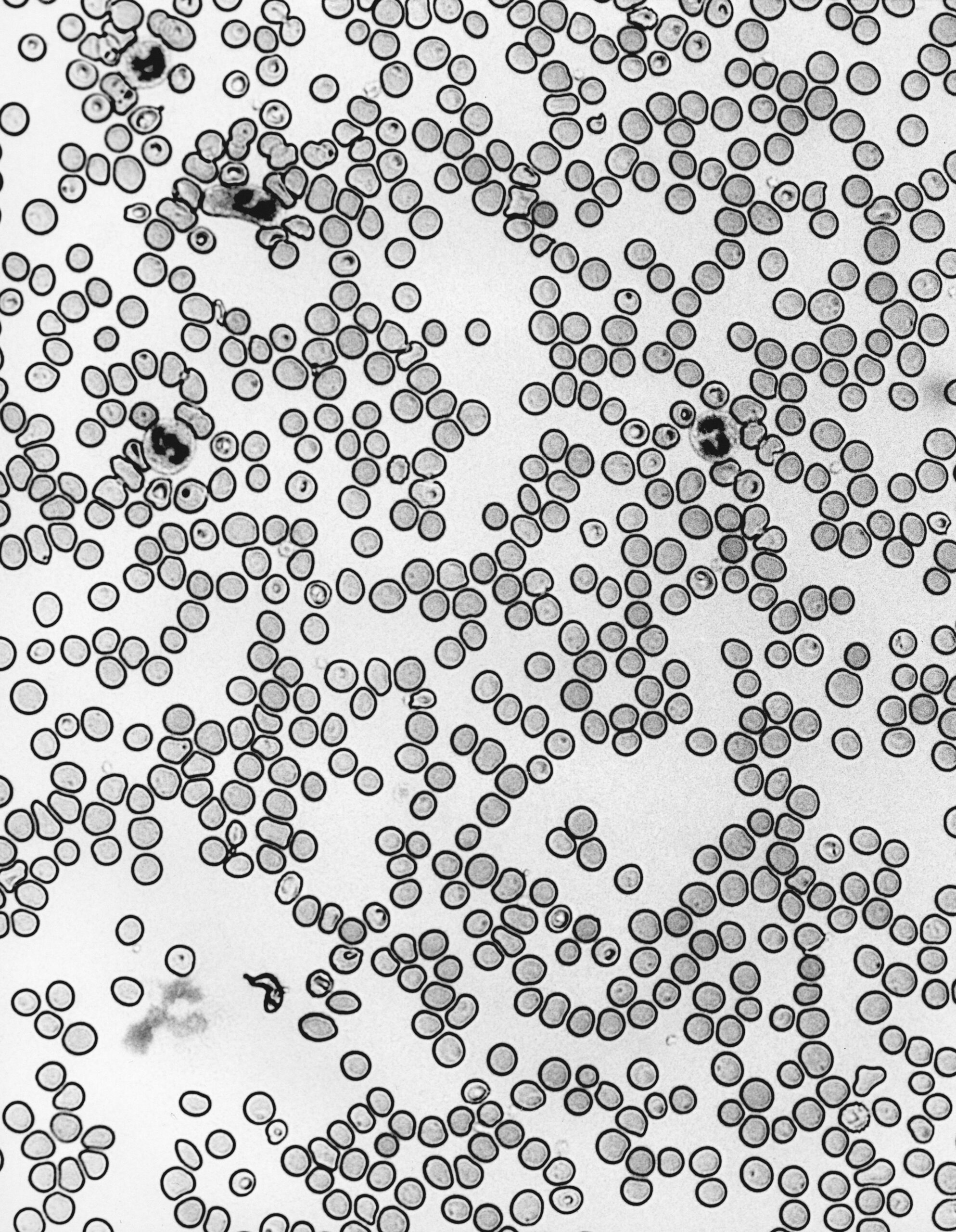
Red blood cells transport oxygen

Red blood cells contain hemoglobin, a protein that binds oxygen in the lungs and carries it to tissues. They also help transport some carbon dioxide back toward the lungs. Their distinctive shape increases surface area and helps them move through tiny blood vessels.
The body continually makes and replaces red blood cells. Their production is influenced by signals that respond to oxygen needs. When red-cell levels or hemoglobin are low, a person may develop anemia, although the cause can vary and requires appropriate testing.
White blood cells help defend the body

White blood cells are part of the immune system. Different types perform different tasks: some respond quickly to infection, some produce antibodies, and others help coordinate immune responses or remove damaged cells.
A white-cell count can rise or fall for many reasons, including infections, medications and other health conditions. A result should be interpreted alongside symptoms, medical history and the rest of the blood count rather than treated as a diagnosis on its own.
Platelets help stop bleeding

Platelets are small cell fragments that gather at an injury site and help form a clot. They interact with proteins in the blood to create a plug that limits bleeding while tissue begins to repair.
Too few platelets can increase bleeding risk, while too many or unusually active platelets can contribute to clotting problems in some circumstances. The meaning depends on the level, cause and clinical context.
Why a complete blood count matters
A complete blood count measures several components, including red cells, white cells, hemoglobin, hematocrit and platelets. Clinicians use it as one piece of information when evaluating symptoms, monitoring treatment or checking general health.
Reference ranges can differ by laboratory and by factors such as age and sex. An abnormal result does not automatically mean a serious disease, and a normal result does not rule out every condition. Discuss personal results with a qualified healthcare professional.
The takeaway
Red cells carry oxygen, white cells support immune defense and platelets help control bleeding. These systems work together, and blood tests make more sense when interpreted as a complete picture.
Sources and further reading
MedlinePlus: Complete Blood Count
National Heart, Lung, and Blood Institute: Blood Tests



Leave a Reply