
Texas marijuana laws could face a major challenge in the 2027 legislative session. Democratic lawmakers have filed proposals that would legalize recreational cannabis for adults 21 and older, create a regulated retail market and allow qualifying adults to grow as many as 12 cannabis plants at home.
The proposals are drawing attention because they go beyond expanding medical access: they would create a statewide system for adult-use cannabis. But the bills have only been filed. Marijuana remains illegal for recreational use in Texas, and no one should treat the proposed rules as current law.
What the Texas marijuana legalization bills would allow

Two House measures, House Bill 362 by Rep. John Bucy III and House Bill 369 by Rep. Joe Moody, are titled the Texas Regulation of Cannabis Act and contain largely matching provisions. A separate Senate proposal, Senate Bill 237, filed by Sen. Carol Alvarado, offers another adult-use regulatory framework.
Under the House bills, adults at least 21 years old could possess, use and transport up to two ounces of cannabis, with no more than 15 grams of that amount in concentrate. Adults could also transfer up to the same amount to another adult without payment, provided the transfer is not advertised or promoted to the public.
The proposals would also establish licensed businesses for cultivation, processing, testing, transportation and retail sales. In other words, the plan is not simply to remove criminal penalties. It would build a regulated cannabis industry with state oversight, product testing, packaging standards and age checks.
The Senate bill is similar in broad purpose but is not identical to the House versions. Marijuana Moment reported that SB 237 proposes a 2.5-ounce possession limit and gives counties more authority to prohibit cannabis businesses, while taking a different approach to generating revenue. Readers should check each bill’s text rather than assume every proposal contains the same rules.
The 12-plant home-growing proposal has specific limits
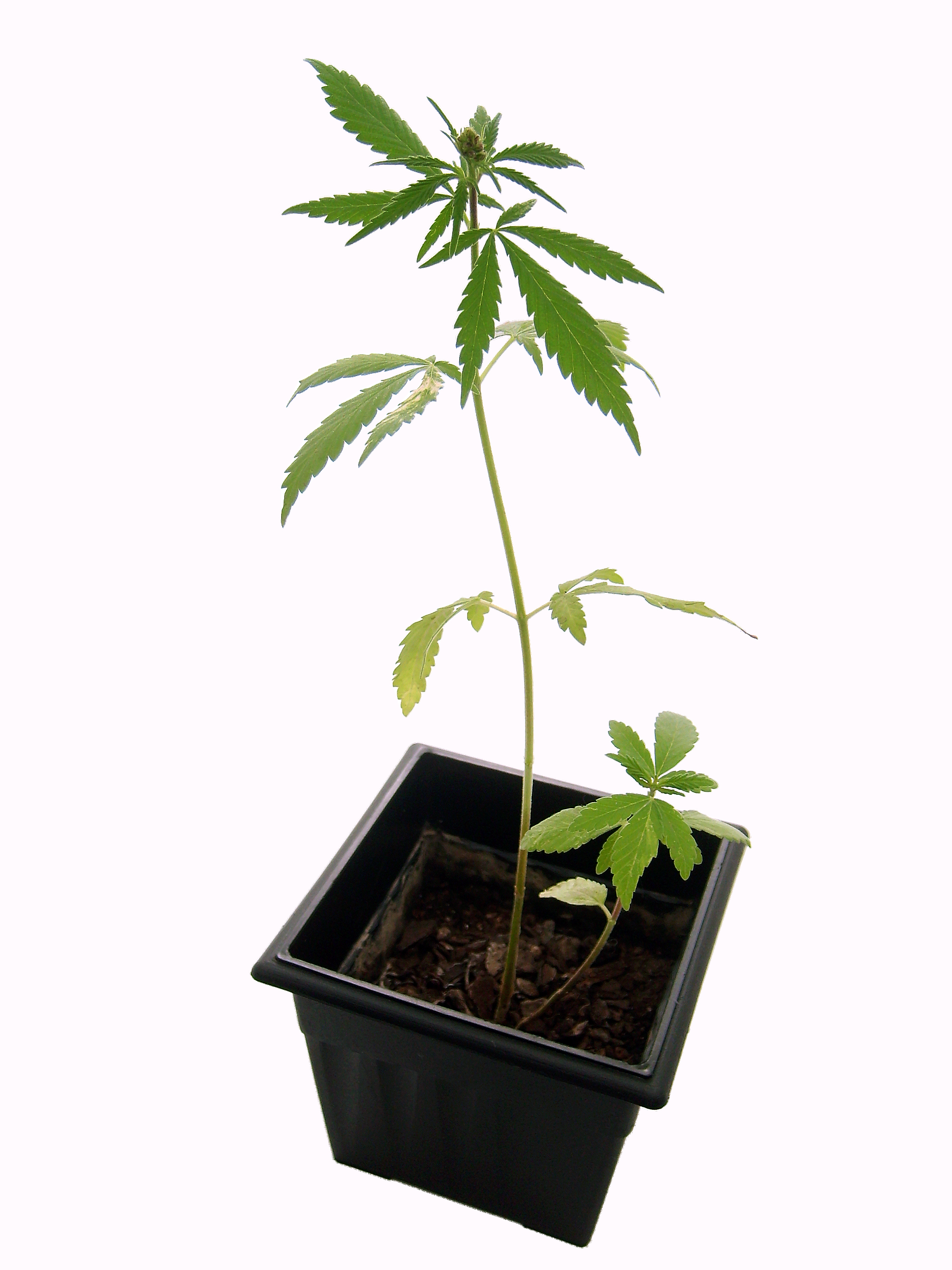
One of the most eye-catching parts of HB 362 and HB 369 is the proposal to let an adult cultivate up to 12 cannabis plants for personal use at a private residence. The bill language does not describe an unrestricted outdoor garden: plants would have to be kept in an enclosed area with locks or other security devices that restrict access.
The growing area would also have to be out of public view unless someone used aircraft or optical aids to see it. The bills would limit the number of plants possessed, cultivated or processed at one time to 12. Cannabis harvested at home could be kept at the residence, but amounts exceeding two ounces would have to be stored in a locked container or secured area.
The House proposals separately allow an adult to store up to 10 ounces of cannabis that was not grown at home, with amounts above two ounces also subject to secure storage. These details matter: the 12-plant proposal is paired with limits on access, visibility and storage, not a blanket permission to grow or keep unlimited cannabis.
How the proposed legal cannabis market would work

HB 362 and HB 369 would place the program under the Texas Department of Licensing and Regulation, with the Texas Commission of Licensing and Regulation responsible for adopting implementing rules. Businesses would need the appropriate licenses to grow cannabis, operate retail establishments, transport products securely or run testing facilities.
The House bills propose a 15% tax on transfers from licensed growers to retail establishments and an additional 20% tax on retail sales to consumers, on top of existing sales taxes. The proposed revenue formula would direct half to the Permanent School Fund, 25% to veterans’ assistance, 15% to substance-use prevention and treatment, and 10% to help local governments cover oversight costs.
The measures also set boundaries. Public consumption would generally remain prohibited, including in vehicles on public roads and in places accessible to people under 21. Driving while intoxicated would remain illegal. Licensed businesses would have to verify customers’ ages and comply with testing, labeling, packaging and security requirements.
Local governments could regulate matters such as business locations and operating hours, but the House proposals would limit their ability to ban or unreasonably restrict licensed cannabis operations. The Senate proposal takes a different approach to local authority, another reason the bills should be considered separately.
Will marijuana become legal in Texas in 2027?
Filing a bill is the beginning of the legislative process, not a guarantee that it will become law. The 90th Texas Legislature is scheduled to convene on January 12, 2027. The proposals would still need to move through committees, win approval in both chambers and be signed by the governor before their provisions could take effect.
The House bills specify a proposed effective date of September 1, 2027. They would require regulators to adopt implementation rules by July 1, 2028, and begin licensing cannabis businesses by November 1, 2028, if the legislation is enacted. Those dates are part of the proposed timetable—not a promise that legal retail sales will begin in 2027.
That distinction is especially important for Texans considering whether to possess or grow cannabis. Until a legalization measure actually passes and takes effect, the filing of HB 362, HB 369 or SB 237 does not make recreational marijuana legal. Current state law continues to apply.
The proposals nevertheless put adult-use legalization directly on the agenda for the next session. The biggest questions to watch are whether lawmakers can reach agreement on possession limits, home cultivation, local control, taxes and the structure of the retail market—and whether any version can secure enough support to reach the governor’s desk.
Texas Democrats have opened a new push to legalize marijuana for adults, with two House bills proposing possession of up to two ounces and home cultivation of up to 12 plants. A separate Senate bill adds another version of the debate. The proposals could reshape Texas cannabis policy, but they remain pending legislation—not permission to buy, possess or grow recreational marijuana today.
Sources and bill documents
- Texas Legislature: HB 362, introduced bill text
- Texas Legislature: HB 369, introduced bill text
- Marijuana Moment: Reporting on the 2027 Texas cannabis bills, including SB 237
- The Texas Tribune: Democratic legislative agenda as 2027 bill filing opens
- Texas Cannabis Policy Center: 90th Legislature cannabis bill tracker



Leave a Reply