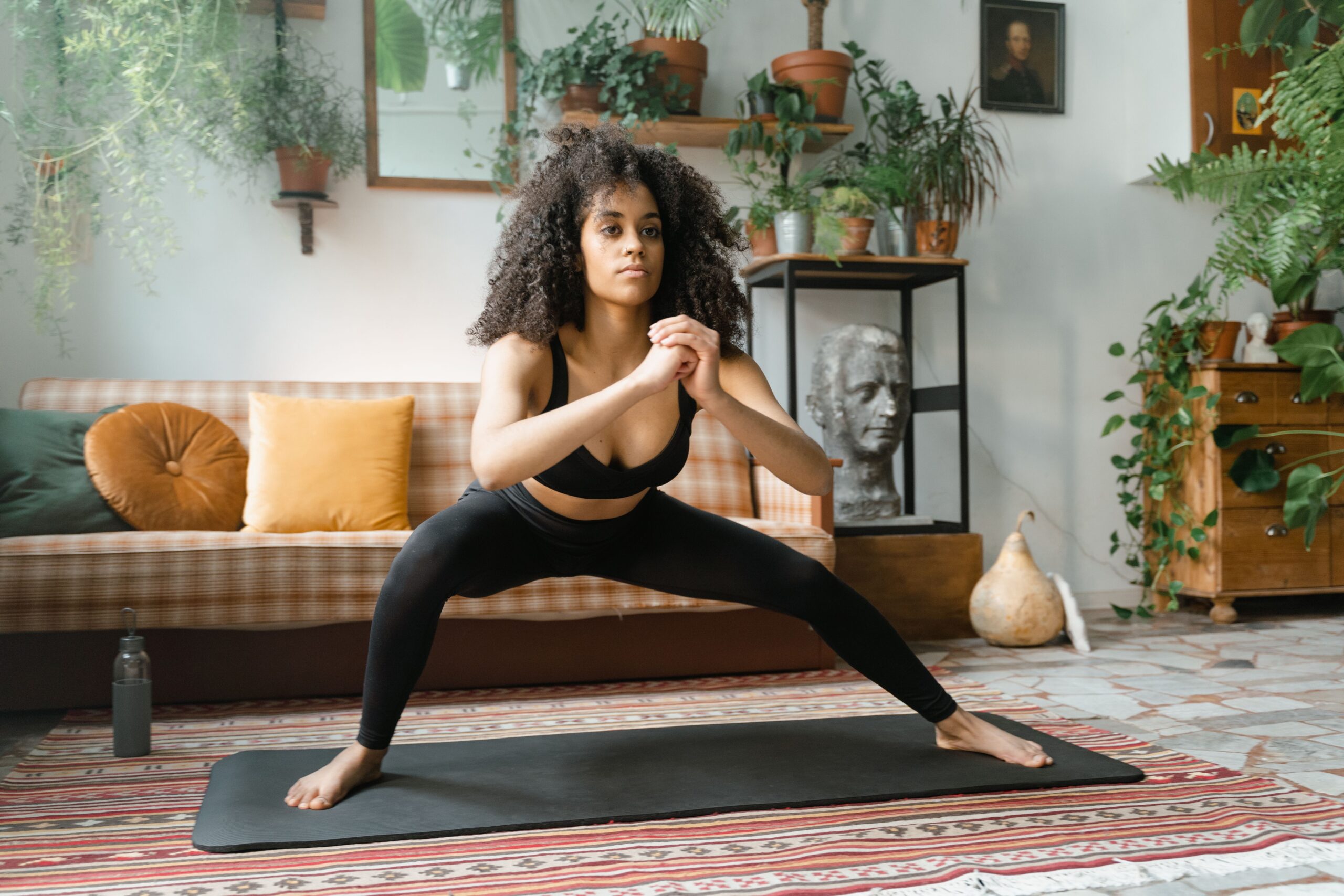
You do not need a gym membership or a room full of equipment to begin strength training. Bodyweight exercises use your own weight as resistance, and a small amount of floor space is enough for a basic routine. The key is to start with movements you can control, practice good technique and increase the challenge gradually.
The CDC recommends that adults include muscle-strengthening activity on at least two days each week, working all major muscle groups. That does not mean every beginner should train hard every day. Recovery, consistency and an appropriate starting level matter.
Before you start: make the workout manageable
Choose a clear, non-slip space and wear shoes or go barefoot according to the surface and exercise. Keep water nearby. If you have a chronic health condition, significant joint pain, a recent injury or concerns about exercise safety, ask a qualified health professional what activities are appropriate. Stop if you experience chest pain, faintness or unusual shortness of breath and seek medical advice.
Begin with five minutes of easy movement, such as marching in place, shoulder circles and gentle sit-to-stands. The goal is to prepare, not exhaust yourself before the strength work begins.
A beginner full-body routine
Start with one set of each movement. Aim for a range you can perform with control rather than chasing a high repetition count. Rest as needed between exercises.

- Chair squat — 8 to 10 repetitions: Stand in front of a sturdy chair with feet about hip- to shoulder-width apart. Push your hips back, bend your knees and lower until you lightly touch the chair, then stand. Use your hands for support if needed.
- Wall push-up — 8 to 12 repetitions: Place your hands on a wall around chest height. Step back, bend your elbows and bring your chest toward the wall while keeping your body in a straight line. Push away smoothly.
- Glute bridge — 8 to 12 repetitions: Lie on your back with knees bent and feet flat. Tighten your abdomen, press through your feet and lift your hips without arching your lower back. Lower slowly.
- Bird dog — 6 to 8 per side: Start on hands and knees. Extend one arm and the opposite leg while keeping your trunk steady. Return slowly and switch sides. Move only as far as you can without twisting.
- Calf raise — 10 to 15 repetitions: Stand behind a stable chair or counter. Rise onto the balls of your feet, pause briefly and lower with control.
- Dead bug or standing knee lift — 6 to 8 per side: Choose the version you can control. Keep your torso steady and move slowly rather than using momentum.
These exercises are examples, not a personalized prescription. If a movement causes sharp pain, stop and choose an easier variation or get professional guidance.
How often should beginners train?
Two nonconsecutive strength sessions per week is a practical starting point for many adults. Leave recovery time between sessions that work the same muscles. On other days, walking, cycling or another comfortable aerobic activity can complement strength work. Current U.S. guidelines recommend at least 150 minutes of moderate-intensity aerobic activity each week for adults, alongside muscle strengthening on at least two days.
If two sessions feel like too much at first, begin with one short session and build toward two. Some activity is better than none, and the CDC emphasizes choosing activities that fit your ability and schedule.
How to make the routine harder safely

Progress does not require rushing to advanced exercises. First, make the movement consistent and controlled. Then add a few repetitions, another set, a slightly deeper range of motion or a more challenging variation. Change one factor at a time so you can tell how your body responds.
For example, progress from wall push-ups to counter push-ups before trying floor push-ups. Progress from chair squats to free-standing squats only when you can maintain balance and control. Resistance bands or light dumbbells can add variety later, but they are not required to begin.
Common beginner mistakes
- Doing too much on the first day and becoming too sore to continue.
- Moving quickly and using momentum instead of controlled repetitions.
- Holding your breath during effort; breathe steadily throughout each movement.
- Training through sharp pain or ignoring unusual symptoms.
- Changing the routine constantly instead of practicing a few basic movements.
- Expecting visible results immediately rather than tracking consistency and gradual improvement.
A realistic four-week starting plan
Week 1: Complete one easy session and focus on learning the movements. Week 2: Repeat the session twice on nonconsecutive days if recovery feels good. Week 3: Add a few repetitions or a second set to selected exercises. Week 4: Keep the schedule steady and note which movements feel easier. If recovery is poor, repeat the previous week rather than forcing progression.
The bottom line
Home strength training works best when it is simple enough to repeat. A short full-body routine built around squats, pushes, bridges and core-control exercises can help a beginner establish the habit. Start at a level you can manage, allow recovery time and increase difficulty gradually. For individualized advice—especially with injuries or chronic conditions—consult a qualified professional.
Related reading: What Blood Cells Do: A Clear Guide; Mindfulness and Gratitude: What Research Says.
Sources: CDC: Adult physical activity recommendations; CDC: What counts as muscle-strengthening activity; NIDDK: Health tips for adults.




Leave a Reply