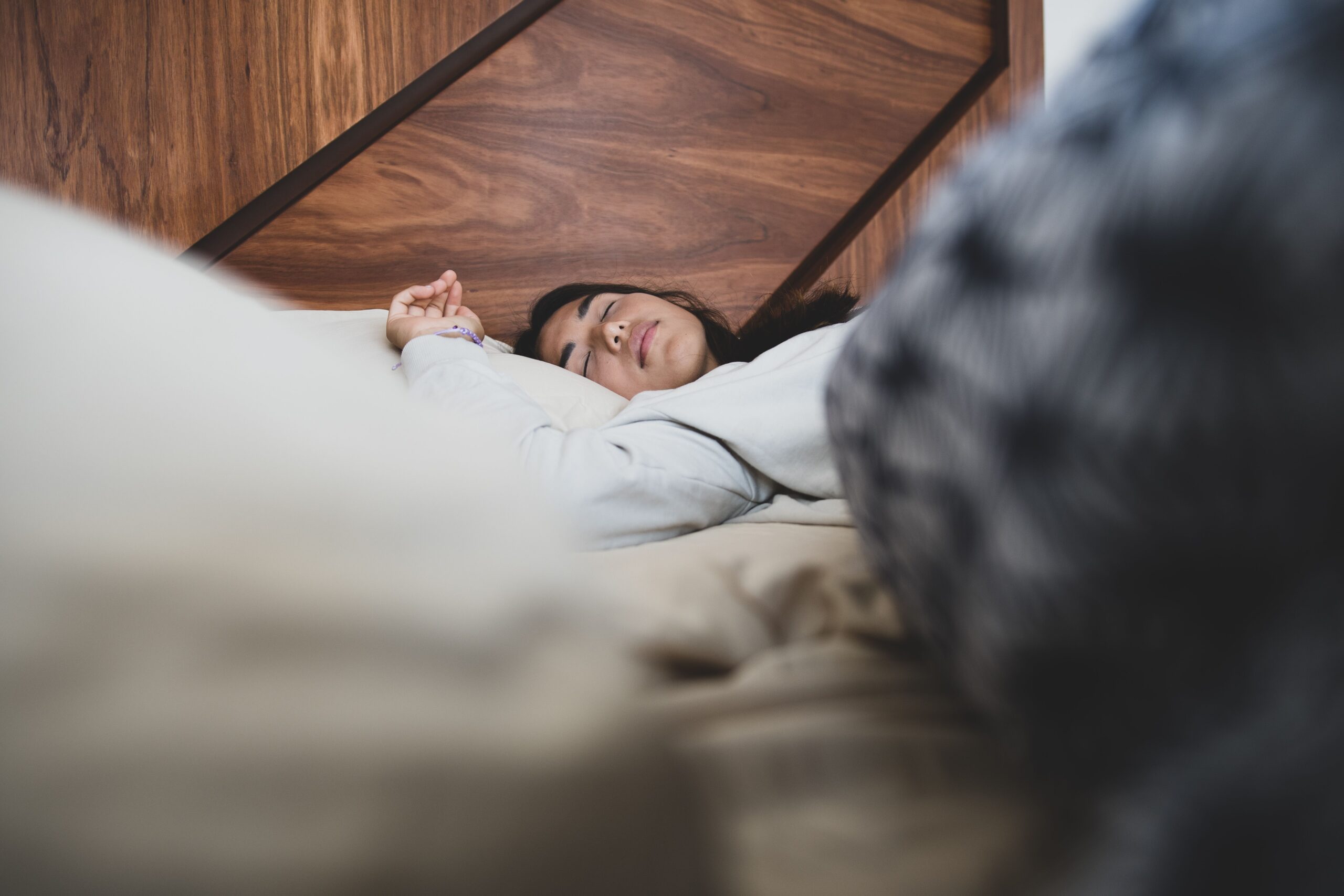
When the days get shorter, some people notice that their sleep schedule, energy or morning routine changes too. It can feel harder to get up when it is dark outside, while longer evenings may encourage later screen time or less consistent bedtimes. Seasonal changes can influence sleep habits, but winter does not affect everyone in the same way.
Sleep is regulated by several interacting systems, including the body’s circadian clock, sleep pressure that builds while awake and daily behaviors. Daylight is one of the strongest signals that helps synchronize the circadian system. When daylight exposure and daily routines shift, sleep timing can shift as well.
How shorter days can affect the body clock
The circadian rhythm is the body’s roughly 24-hour timing system. It helps coordinate sleep and wakefulness, hormone release, body temperature and other functions. Light reaching the eyes is a major cue that helps keep this internal clock aligned with the outside day.

In winter, sunrise may happen later and sunset earlier, depending on location. People who spend most daylight hours indoors may receive less natural light, especially in the morning. That can make it harder for some people to maintain a steady sleep-wake rhythm. It is not proof that every winter sleep change is caused by daylight, but light exposure is one factor worth considering.
Temperature and the bedroom environment matter
Sleep can be disrupted when a room is too warm, too cold, noisy or bright. Heating systems can also make indoor air feel dry, which may be uncomfortable for people with congestion or irritated skin. A bedroom that is dark, quiet and comfortably cool is a reasonable starting point.
Use bedding that keeps you comfortable without overheating. If the room is dry, consider whether a clean humidifier helps, and follow its maintenance instructions. Avoid making large temperature changes that leave you waking up hot or cold during the night.
Build a routine that works through the season
A consistent wake-up time is often easier to maintain than trying to force an early bedtime every night. Choose a realistic schedule and keep it as steady as possible, including on weekends. Give yourself time to wind down before bed and use the same sequence of calming activities most nights.
- Get daylight early: Spend time outdoors in the morning when practical, or work near a bright window.
- Keep wake times consistent: Large changes from weekday to weekend can make the schedule harder to maintain.
- Move during the day: Regular physical activity can support sleep, but intense exercise close to bedtime may not suit everyone.
- Limit late caffeine: Caffeine can remain active for hours, so consider moving coffee, energy drinks and strong tea earlier in the day.
- Make evenings calmer: Reduce bright light and stimulating activities near bedtime if they keep you alert.
- Protect the sleep environment: Keep the room dark, quiet and comfortable.
Do not confuse seasonal sleep changes with a sleep disorder

Occasional difficulty sleeping is common. Persistent insomnia, loud snoring with pauses in breathing, severe daytime sleepiness or regularly waking unrefreshed may point to a problem that deserves medical evaluation. Sleep changes can also be connected to stress, medications, pain, mental health conditions or other medical issues.
Seasonal affective disorder is a form of depression with a seasonal pattern. It can involve changes in mood, energy and sleep, and it is not simply ordinary winter tiredness. If low mood, loss of interest or changes in sleep and appetite persist or interfere with daily life, speak with a health professional. Seek urgent help if you are at risk of harming yourself.
When to ask for help
Consider talking with a clinician if sleep problems last for weeks, affect work or driving, or occur alongside breathing problems, significant mood changes or unusual fatigue. A sleep diary noting bedtime, wake time, awakenings, caffeine, alcohol, exercise and daytime sleepiness can help identify patterns to discuss at an appointment.
The bottom line
Shorter winter days can change daylight exposure and daily routines, both of which may influence sleep timing. Morning light, a stable wake time, daytime activity and a comfortable bedroom are sensible habits to test. But persistent or severe sleep problems should not automatically be blamed on the season; they may need professional assessment.
Related reading: Mindfulness and Gratitude: What Research Says; Finding Purpose When Life Feels Overwhelming.
Sources: National Heart, Lung, and Blood Institute: Sleep deprivation; National Institute of Neurological Disorders and Stroke: Circadian rhythm sleep disorders; National Institute of Mental Health: Seasonal affective disorder.




Leave a Reply