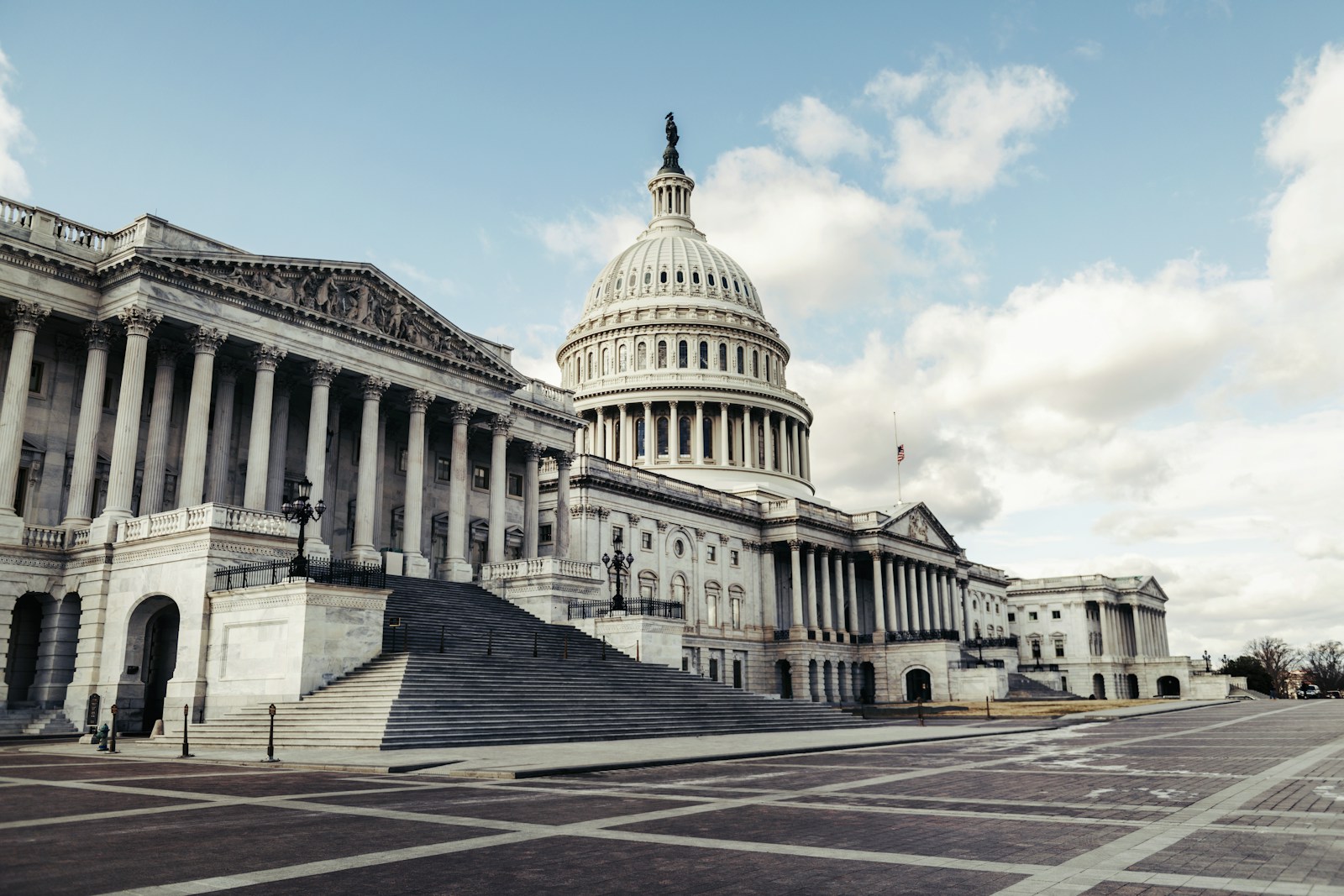
Election Day arrives Tuesday, November 3, with control of Congress on the line and household finances dominating much of the national conversation. The 2026 midterm elections are more than a test of political popularity. They will help determine how much room the White House has to advance its agenda during the final two years of the current presidential term.
Voters are heading to the polls amid a complicated economic picture. Employment and economic growth have remained relatively resilient, but many households continue to feel pressure from everyday costs, housing expenses, energy prices and borrowing rates. That contrast—stronger headline numbers alongside personal financial frustration—is one of the defining stories of this election.
What control of Congress could mean

All 435 seats in the House of Representatives and roughly one-third of the Senate are being contested. The party that controls each chamber has major influence over legislation, federal spending, investigations and the confirmation process. A change in control could reshape the relationship between Congress and the White House, while a result that preserves the current balance would signal a different kind of voter verdict.
Several closely watched races are expected to determine the Senate outcome. In the House, the battle is spread across competitive districts where relatively small shifts in turnout can decide who wins. The final result may not be clear immediately if close contests require additional counting or face legal challenges.
Why the economy is such a powerful issue

For many voters, the economy is not an abstract collection of charts. It is the grocery receipt, the rent payment, the mortgage quote, the gas tank and the amount left after bills are paid. Reuters reported on November 2 that consumer sentiment has been weak even as employment and economic growth indicators have shown resilience. That gap helps explain why people can hear that the economy is expanding while still feeling financially squeezed.
Inflation also has a memory. Even when the pace of price increases slows, prices generally do not return to where they were before. Households may therefore experience relief more slowly than economic reports suggest. Higher borrowing costs can add another layer of pressure for people hoping to buy a home, refinance debt or finance a major purchase.
Turnout may matter as much as the polls

Polls offer a snapshot, not a final count. Campaign energy, early voting, local issues and who actually turns out can change the result. Analysts are watching whether younger voters and other groups that often participate at lower rates in midterms show up in larger numbers, as well as whether Republican voters who prefer Election Day voting turn out as expected.
Campaign spending is another factor, but money does not guarantee votes. Advertising can shape what voters hear, yet concerns about affordability, public safety, immigration, foreign policy and trust in government can matter differently from one district to another.
What happens after the votes are counted?

The immediate question is which party controls Congress. The longer-term question is what that result allows lawmakers to do. A divided government can make major legislation harder to pass, while unified control can create a clearer path for a party’s priorities. Either way, the election will influence debates over taxes, spending, regulation, energy, technology and the federal response to economic pressures.
For voters, the most useful approach is to follow verified results from election officials, distinguish projections from certified outcomes and pay attention to the specific races that determine control of each chamber. The national headlines matter, but the local contests are where many of the decisive votes will be counted.
The bigger picture

This election is a reminder that political decisions and personal finances are closely connected. Congress influences the rules that shape taxes, public spending, financial regulation and business conditions. But no single election can instantly solve the cost-of-living challenges facing households. The results will set the political direction; the policies that follow will determine whether voters see a meaningful difference.
Sources and further reading: Reuters: Six things to watch as U.S. voters decide control of Congress · Reuters: U.S. voters in a sour economic mood heading into midterm elections
Related Reading




Leave a Reply