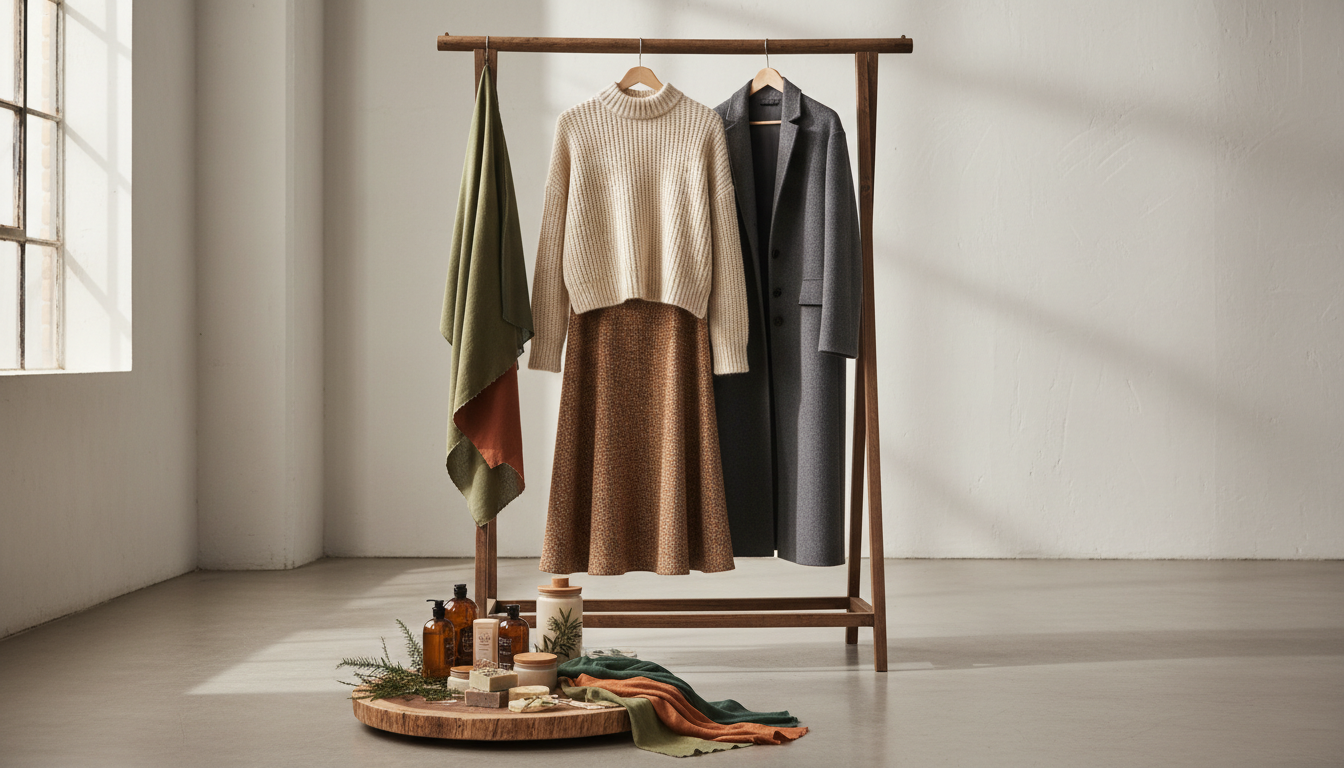
A strong outfit does not require a closet full of expensive labels. Often, the difference comes from fit, condition, proportion, and a few versatile pieces that work together. These wardrobe basics can help create more outfits from what you already own.
15 useful wardrobe foundations

- A well-fitting plain T-shirt in a color you wear often.
- A clean button-up shirt that can be dressed up or down.
- Dark, comfortable jeans with a shape that suits you.
- Simple trousers for work or more polished occasions.
- A versatile jacket or overshirt for layering.
- A sweater or knit layer that works across seasons.
- Clean everyday sneakers.
- A dressier shoe that fits your lifestyle.
- A belt that coordinates with your usual footwear.
- A neutral outerwear piece for changing weather.
- A bag that is practical and in good condition.
- Simple accessories that feel like your style.
- Well-fitting basics for layering.
- A color combination you can repeat easily.
- One statement piece that gives an outfit personality.
Start with fit, not price tags

A wardrobe looks intentional when the clothes fit comfortably and work with the way you move through the day. Check shoulder seams, sleeve length, waist comfort, rise, and trouser length. A shirt that pulls across the chest or trousers that bunch awkwardly may distract from the whole outfit. If a piece is close to right, a simple alteration can sometimes make it more useful than buying another item.
| Wardrobe foundation | What to look for | How it earns its place |
|---|---|---|
| Everyday top | Comfortable fit and easy color | Works alone or under layers |
| Bottoms | Comfort and useful proportions | Pairs with multiple tops |
| Layer | Weather-appropriate texture | Changes the look quickly |
| Shoes | Comfort and condition | Fits your daily activities |
| Finishing detail | Belt, bag, jewelry, or outerwear | Adds personality |
Build a small color system

Choose a few colors you already enjoy wearing and use them as the foundation. Neutrals such as black, navy, gray, cream, brown, and denim can be combined easily, but they are not mandatory. Add one or two accent colors through a jacket, shoe, bag, knit, or accessory. Repeating a color in two places can make an outfit feel coordinated without looking overly matched.
Think in layers and proportions

Layering creates options across changing temperatures and settings. A T-shirt under an overshirt, a knit under a coat, or a light jacket over a simple outfit can change the silhouette without requiring a completely new wardrobe. Balance matters: a relaxed top can pair with a cleaner trouser line, while a wide-leg bottom may work well with a more fitted or cropped layer. These are starting points, not rules; the best proportion is the one you like and can wear comfortably.
Make shoes and condition part of the outfit

Shoes influence the overall impression because they are both functional and visually noticeable. Keep everyday pairs clean, check laces and soles, and choose footwear suited to the activity. A simple sneaker, a comfortable boot, or a dressier shoe can cover different situations. The goal is not to own every style; it is to have a few pairs that are in good condition and work with most of your clothes.
A practical wardrobe formula

Try building outfits from three parts: a reliable base, a layer that adds shape or texture, and one finishing detail. For example, a plain tee and dark jeans can be changed with a blazer, overshirt, jacket, jewelry, a belt, or a different shoe. This formula helps you create variety from basics while leaving room for personal style.
Care keeps basics looking better

Read garment care labels before washing. Separate items when color transfer is likely, avoid overloading the washer, and follow instructions for drying and ironing. Store knitwear folded when hanging could stretch it, and repair loose buttons or small seams before they become bigger problems. Taking care of clothes can extend their useful life and reduce the pressure to replace them frequently.
Do not buy a “basic” you will never wear

A wardrobe checklist is a guide, not a shopping mandate. If you rarely wear button-up shirts, you do not need several. If you walk most days, comfortable shoes may matter more than a formal pair. Consider your climate, work requirements, budget, laundry routine, and personal preferences. Before buying something, ask whether it works with at least three items you already own and whether you can imagine wearing it regularly.
The takeaway

Style is not about collecting expensive labels or copying one aesthetic. A versatile wardrobe comes from fit, condition, proportion, and pieces that reflect your actual life. Start with what you own, identify the gaps that make getting dressed difficult, and add items deliberately.
Sources and further reading

- Federal Trade Commission: Clothing and textile care labeling
- The Metropolitan Museum of Art: Heilbrunn Timeline of Art History
- The Immortal Content: Fashion and Beauty
Explore more on The Immortal Content

- The Fashion Moves Defining November 2026: Relaxed Tailoring, Croc Texture and Statement Sneakers
- How to Spot Fake Online Reviews Before You Buy
- 12 Free Websites That Make Everyday Life Easier
The bottom line


A reliable wardrobe starts with clothes that fit well, work together and suit the situations you dress for. Build around versatile basics, then add trend pieces selectively instead of replacing everything each season. Fit, comfort and repeat wear usually matter more than buying a large number of items.
A reliable wardrobe starts with clothes that fit well, work together and suit the situations you dress for. Build around versatile basics, then add trend pieces selectively instead of replacing everything each season. Fit, comfort and repeat wear usually matter more than buying a large number of items.



Leave a Reply