
Artificial intelligence is moving beyond writing, searching and generating images. In a new development reported in Nature on November 4, 2026, researchers described an AI-native laboratory designed to coordinate complex molecular-biology experiments with limited human intervention. The system, called AutoDNA, can direct robotic equipment through tasks involving DNA synthesis, amplification and sequencing.
The research is significant because laboratory automation has often focused on individual steps. A machine may mix a sample, heat a solution or run a test, while a human expert coordinates the overall experiment. AutoDNA aims to connect more of that workflow, allowing AI agents to plan and orchestrate operations across different instruments.
What AutoDNA is designed to do
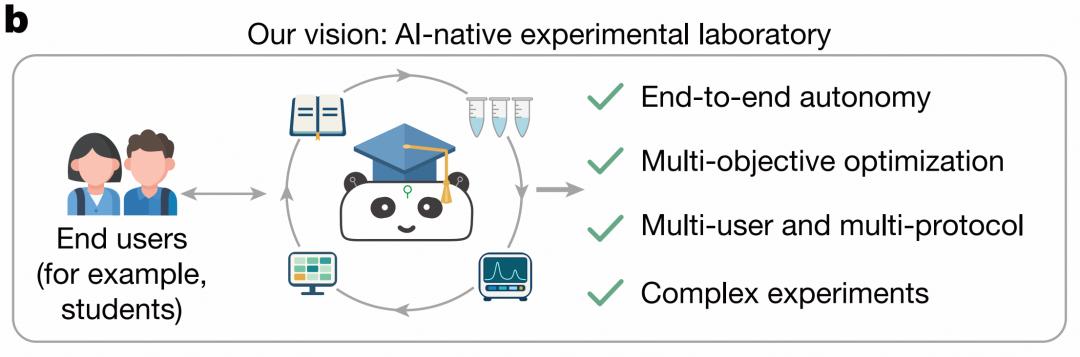
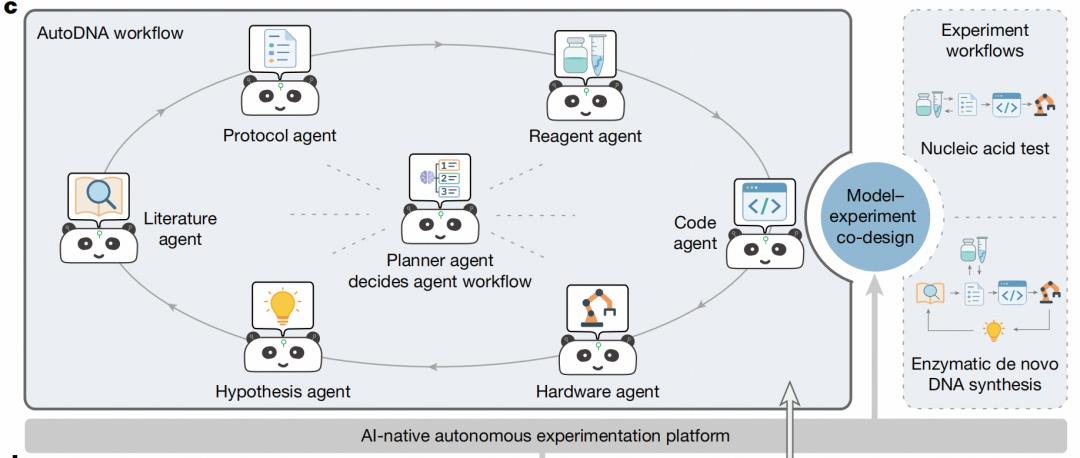
The Nature paper describes AutoDNA as an AI-native autonomous biomolecular engineering laboratory. Rather than treating AI as a tool added to one machine, the system was designed around coordination between models, experiments and instruments. Its purpose is to manage multi-step projects that require different pieces of equipment and careful sequencing of operations.
According to the paper, AutoDNA can orchestrate more than 20 types of instruments across more than 11,000 steps. Those operations support core nucleic-acid tasks, including synthesis, transcription, amplification and sequencing. The system is intended to handle multiple requests within an integrated workflow, while people remain responsible for hardware maintenance and replenishing reagents and labware.
That is a substantial level of automation, but it does not mean a laboratory has become independent of scientists. Researchers still define the problem, assess whether the experiment is appropriate, maintain equipment, interpret results and decide what conclusions are justified. Automation changes how work is carried out; it does not remove the need for scientific judgment.
Why coordinating an entire experiment is difficult
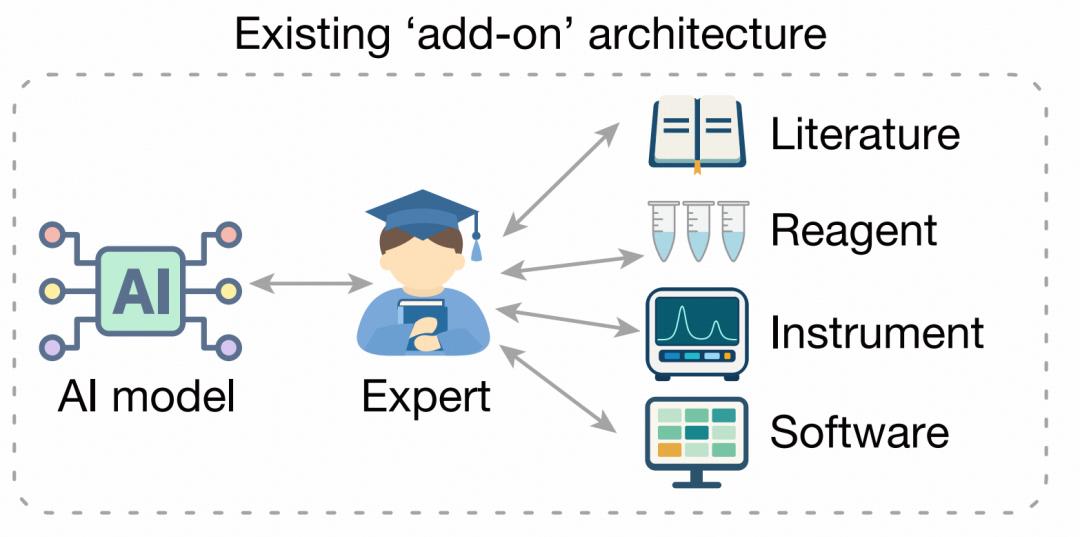
Biology experiments can involve many steps that depend on one another. A sample must be prepared correctly, moved to the right instrument, processed under appropriate conditions and measured with sufficient accuracy. A mistake early in the process can affect everything that follows.
Different instruments also have different controls and operating requirements. An autonomous system must understand what each device can do, how to transfer samples safely and how to respond when a step fails. It must also keep track of the experiment’s objectives rather than simply executing a fixed sequence of commands.
The research team designed AutoDNA to work across a range of equipment and experimental tasks. Nature reported that the system was tested on several applications, including identifying a cancer-linked mutation in a DNA sample and encoding a digital message into DNA before recovering the information.
What the experiments demonstrated
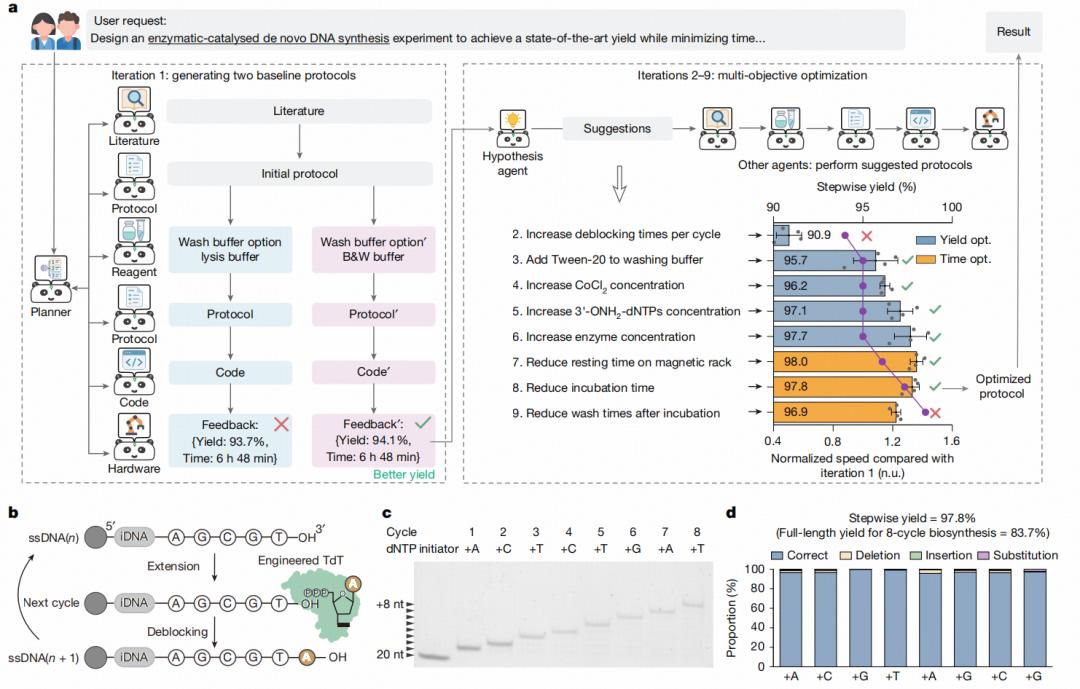
The published study reported several results. AutoDNA matched expert-optimized yields in enzymatic DNA synthesis, accelerated concurrent protocol execution by 3.2 times in a comparison described by the authors, completed a DNA data-storage cycle with exact recovery of the original digital content and identified and validated a clinically detected KRAS G13D mutation.
Those results are promising, but they should be read within the scope of the study. They show what the researchers demonstrated in their tested workflows. They do not establish that an AI lab can independently conduct every kind of biological research, replace clinical laboratories or make medical decisions without expert oversight.
The cancer-related mutation work is especially important to describe carefully. Detecting and validating a mutation in a research setting is not the same as diagnosing a patient or recommending treatment. Clinical use requires additional validation, quality controls, regulatory review and integration into established medical workflows.
Why DNA data storage is interesting
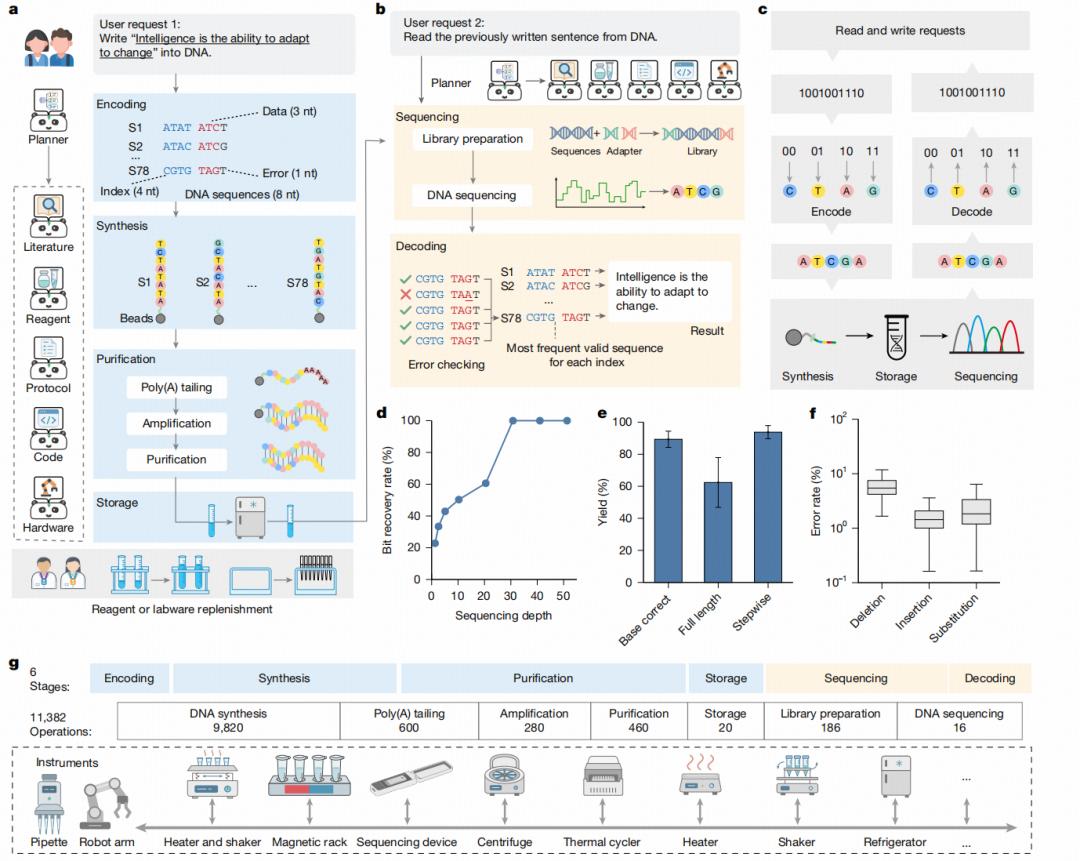
One of the reported demonstrations involved encoding a digital message into DNA and recovering the original information. DNA is a molecule that stores biological instructions, but its properties also make it an area of interest for information storage research. The challenge is translating digital data into sequences of biological building blocks and then accurately reading them back.
The AutoDNA demonstration matters because it links several operations into one process. The system was asked to encode information, coordinate the laboratory steps and recover the digital content. That kind of workflow could help researchers explore new approaches to molecular data storage, although practical applications still face issues such as cost, speed, reliability and long-term preservation.
What autonomous labs could change

If systems like AutoDNA become more reliable and easier to operate, they could help laboratories run more experiments in parallel. Researchers may be able to test more conditions, compare more candidate procedures or repeat work with greater consistency. Automation can also reduce the amount of time scientists spend on repetitive instrument operations.
Another possible benefit is reproducibility. A well-designed automated workflow can record the steps, instrument settings and timing used in an experiment. That record may help researchers compare results and identify where differences emerge. But reproducibility still depends on good experimental design, validated equipment and careful interpretation.
Autonomous systems could also change access to specialized experiments. If a lab can provide a well-defined service through a controlled interface, researchers may eventually be able to request certain workflows without building every instrument configuration themselves. The Nature authors describe this direction as part of a broader vision for science-as-a-service.
The limits and risks
Automation can scale mistakes as efficiently as it scales successful work. If an AI agent misunderstands a protocol or a sensor provides incorrect information, the system needs safeguards to detect the problem before it affects later steps. A robot that moves quickly is not necessarily a robot that makes scientifically valid decisions.
There are also questions about oversight, data integrity, security and responsibility. Laboratories need to know who approved an experiment, which model or software version controlled the workflow, how failures were handled and whether the resulting data can be independently checked.
In biological research, safety matters as well. Not every experiment should be automated simply because a system can perform it. Researchers must follow institutional review, biosafety requirements and applicable regulations. Human supervision remains essential when a workflow involves sensitive samples, hazardous materials or decisions that could affect people.
What scientists will need to prove next

The next stage is broader testing. Researchers will need to see how the system performs across more laboratories, sample types, experimental goals and instrument configurations. They will also need to measure failure rates, recovery from errors, costs, maintenance demands and how easily other scientists can reproduce the results.
A strong autonomous lab should not be judged only by the number of steps it can execute. It should be judged by whether it produces accurate, reproducible and useful scientific results—and whether its decisions can be inspected by people who understand the experiment.
The bottom line

AutoDNA is an important example of AI moving from isolated laboratory assistance toward coordinated experimental work. Its reported ability to manage more than 20 instrument types across thousands of operations suggests that autonomous biology labs are becoming more capable.
But the breakthrough is not that scientists are no longer needed. It is that researchers may be able to delegate more repetitive and tightly coordinated operations while focusing their expertise on questions, validation and interpretation. The future of laboratory AI will depend on whether that division of work makes science more reliable, not simply more automated.
Sources and further reading

Nature: AI agents run this automated biology lab that sequences DNA and more (November 4, 2026).
Nature: An AI-native experimental laboratory for autonomous biomolecular operations (Nov. 4, 2026).
Related reading: Scientists Build an Electric Motor From a Single Molecule.


Leave a Reply