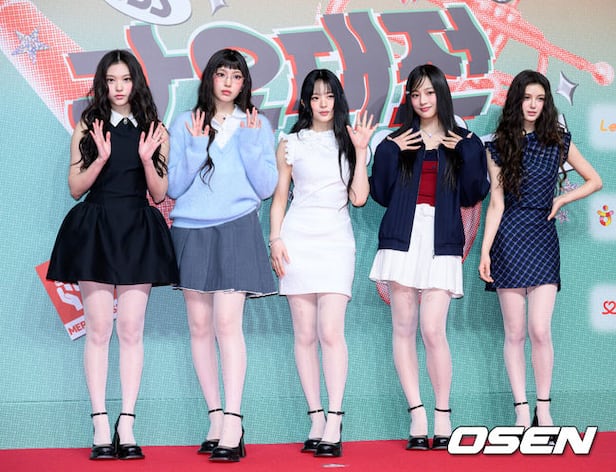
A new report about the early contracts signed by K-pop group NewJeans is drawing attention to the power imbalance between young performers and the companies that train, manage and market them. The Guardian, summarizing reporting by The New York Times, says the group’s contracts with Ador omitted or altered several protections that are intended to safeguard performers who sign while they are minors. The report has reignited a wider discussion about how the K-pop system balances intense training, commercial investment and the rights of young artists.

According to the Guardian’s account, the contracts were signed when members were between 14 and 17. The report describes clauses involving rest, education, romantic relationships, conduct, physical exposure and the use of a performer’s likeness. Hybe representatives told The New York Times that the company follows child-protection laws and works to ensure artists train and work in safe conditions. Those responses are important context; the reporting should not be treated as a court finding that every allegation about the contracts has been proven.
Why contracts signed by minors matter

Entertainment contracts can shape years of a young performer’s life. They may determine training schedules, public appearances, revenue splits, image rights, exclusivity, penalties and the process for leaving an agency. When a performer is a minor, the stakes are even higher because the artist is still developing physically, emotionally and professionally, while parents or guardians may be negotiating with a large company that has far more resources and industry experience.
The K-pop training model can involve vocal lessons, choreography, language study, media preparation and rehearsals. A demanding schedule is not automatically abusive, and artists may willingly pursue intensive training. The issue is whether schedules, rest periods, education, health care and decision-making are protected in enforceable ways—and whether a young performer can raise concerns without risking their future career.
Image rights and the AI question

The Guardian also reported that the contract language described broad rights for the label to use members’ names, photographs, likenesses, handwriting, voices and other identifying elements. The report said the language could extend to AI chatbots or digital clones. That possibility points to a growing issue across entertainment: an artist’s identity is not just a marketing asset. Voice, face and performance style can be replicated digitally, potentially long after a recording session or even after a contract ends.
As generative AI tools become more capable, contracts need to be clear about what uses are permitted, whether consent can be withdrawn, whether an artist receives additional compensation and whether a company can create synthetic performances. The same questions apply to actors, musicians, influencers and voice performers outside South Korea.
The dispute has a longer history

NewJeans became a global phenomenon, but the group’s relationship with Ador and its parent company Hybe has been marked by a public contract dispute. The group announced plans to leave the label in November 2024, while Ador maintained that the contracts remained valid. The Guardian reported that the label later sued member Danielle, a family member and the group’s producer for damages and a contract penalty. The legal dispute and the newly reported contract language are related parts of a wider debate, but they should not be collapsed into one claim.
The group’s members are individuals with their own careers and choices. Coverage should avoid treating them as a single corporate asset or assuming that one member’s position automatically represents the others. Their work, public statements and legal circumstances may differ.
What could change across the industry?

The renewed scrutiny could encourage stronger standard contract language, clearer limits on training hours, independent legal advice for minors, better access to education and health support, and more specific consent rules for AI uses. Regulators, parents, agencies and artists all have roles to play. Transparency also matters: fans and the public should be able to distinguish a company’s response from independently verified facts.
The bottom line

The NewJeans contract report is bigger than one group’s dispute. It raises questions about how young performers are protected when their careers are controlled by powerful entertainment companies—and how those protections should evolve as AI makes identity and likeness easier to reproduce. Hybe has said it follows child-protection laws, and the details of the contractual dispute remain contested. What is clear is that the industry needs contracts that protect the people creating its biggest successes, not just the businesses investing in them.
Sources and further reading

- The Guardian — NewJeans contract report and minors’ protections
- The New York Times: Original investigation into NewJeans’ contracts
- The Guardian — Related coverage of NewJeans and Ador dispute


Leave a Reply