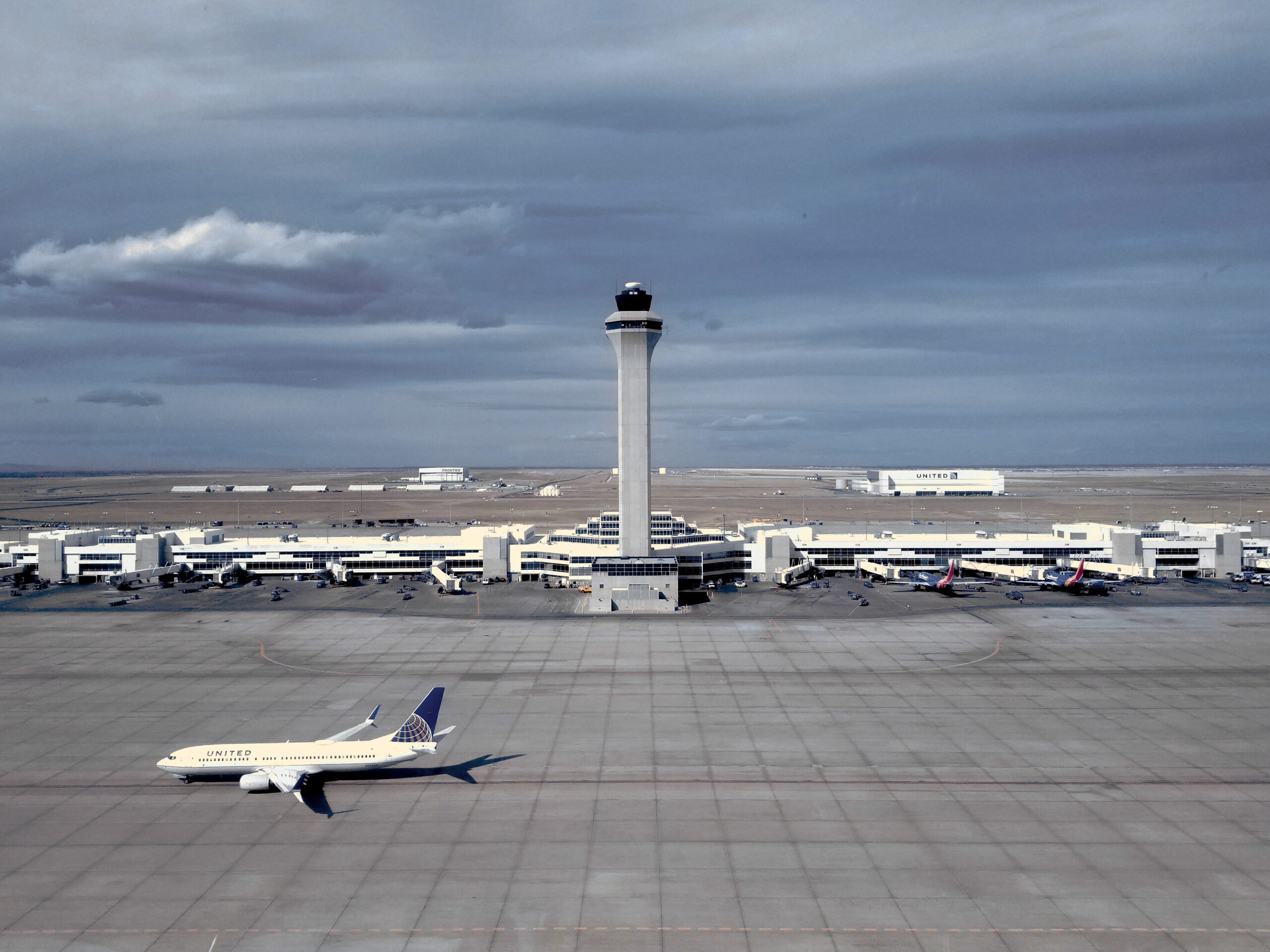
An FAA ground stop is a safety measure that temporarily prevents aircraft from departing an airport or a group of airports. It is different from a routine delay: when the Federal Aviation Administration issues a ground stop, airlines must hold affected departures until air traffic control conditions allow operations to resume. The order can apply to one airport, a region or—in rare circumstances—the entire national airspace system.
The nationwide disruption on November 13, 2026 offered a dramatic example. For the confirmed timeline and latest impact from that specific event, read our November 13 FAA ground-stop coverage.
The disruption exposed how dependent modern air travel is on communications infrastructure that most passengers never see. When controllers cannot reliably coordinate aircraft movement, the system has to slow down or stop departures. That is why a technical failure can become a nationwide travel problem within hours.
What happened on November 13?
The FAA issued a nationwide ground stop for departing flights, citing extraordinary circumstances and safety. Transportation officials said a communications issue was affecting all Air Route Traffic Control Centers. The FAA later described the event as a temporary telecommunications outage and said it had tested systems before allowing departures to resume.
The Associated Press reported that at least 600 flights were diverted and thousands more were disrupted. Flight cancellations and delays continued after the order was lifted because aircraft, crews and passengers were no longer where airlines had planned for them to be. A flight can be technically cleared to depart while still lacking its assigned aircraft or crew.
Officials characterized the cause as a telecommunications failure involving an aging, overloaded air traffic network. They said there was no indication of a cyberattack or a connection to the FAA’s newer AI-powered system. Those distinctions matter: the confirmed explanation should not be replaced by social-media theories simply because two major technology disruptions happened around the same time.
Why lifting a ground stop does not end the delays
Aviation operates as a tightly connected network. Aircraft fly several legs a day, crews work under duty-time limits, and passengers depend on connections between flights. When departures stop across the country, those schedules can become misaligned very quickly.
For example, an aircraft scheduled to arrive in one city and continue to another may be held at its origin. The second flight then lacks its plane, even if the destination airport is operating normally. Crew members can also become unavailable for later flights if delays push them beyond permitted duty periods. Airlines must rebuild those schedules while managing crowded gates and aircraft waiting to move.
The National Business Aviation Association warned that recovery would not be immediate. The FAA’s decision to resume departures meant the immediate restriction had ended; it did not mean every airline had cleared its backlog.
What passengers should do if their flight was affected
Start with the airline, not a general airport departure board. Airline apps and websites show the status attached to a specific reservation and usually provide the fastest access to rebooking options. Keep notifications enabled, but refresh the booking directly if a connection or departure time looks uncertain.
- Check every leg: A first flight may be delayed while a connecting flight remains listed as scheduled. Confirm both before traveling to the airport.
- Use the airline’s rebooking tools: If the carrier cancels a flight, compare the offered alternatives with your actual travel needs before accepting.
- Keep receipts: Save records for meals, lodging and ground transportation. Reimbursement depends on the cause, airline policy and applicable passenger protections.
- Know the refund distinction: Under U.S. Department of Transportation rules, a passenger generally may choose a refund when an airline cancels or significantly changes a flight and the passenger declines the alternative transportation or credit.
- Protect essentials: Keep medication, identification, chargers and valuables in carry-on luggage in case checked bags are delayed.
Do not assume that every expense will be reimbursed. Disruptions caused by circumstances outside an airline’s control can be treated differently from problems the carrier could have prevented. Ask the airline what it will cover and review the written policy before paying for a hotel or other costly arrangement.
What the incident says about aviation infrastructure


The ground stop renewed questions about the resilience of the communications systems used to manage U.S. air traffic. These systems must work continuously, including during periods of heavy traffic, bad weather and equipment failures. Redundant communications, maintenance schedules, backup procedures and modernization are not abstract technology issues; they affect whether aircraft can move safely and predictably.
It is too early to draw conclusions about the precise technical failure or the full cost of the disruption without the FAA’s completed investigation. The incident does, however, illustrate why infrastructure reliability is a public-safety issue as well as an operational one.
The takeaway for travelers
The FAA lifted the November 13 nationwide ground stop after testing the affected systems, but the airline network needed additional time to recover. Passengers should rely on their carrier for reservation-specific information, preserve receipts and understand the difference between a refund and reimbursement for incidental expenses. The underlying communications failure deserves a full technical explanation from officials; until that is available, claims beyond the confirmed facts should be treated cautiously.
Sources and further information: Associated Press: FAA lifts nationwide ground stop; CBS News: FAA issues nationwide ground stop; National Business Aviation Association statement; U.S. Department of Transportation: Aviation consumer protection.




Leave a Reply