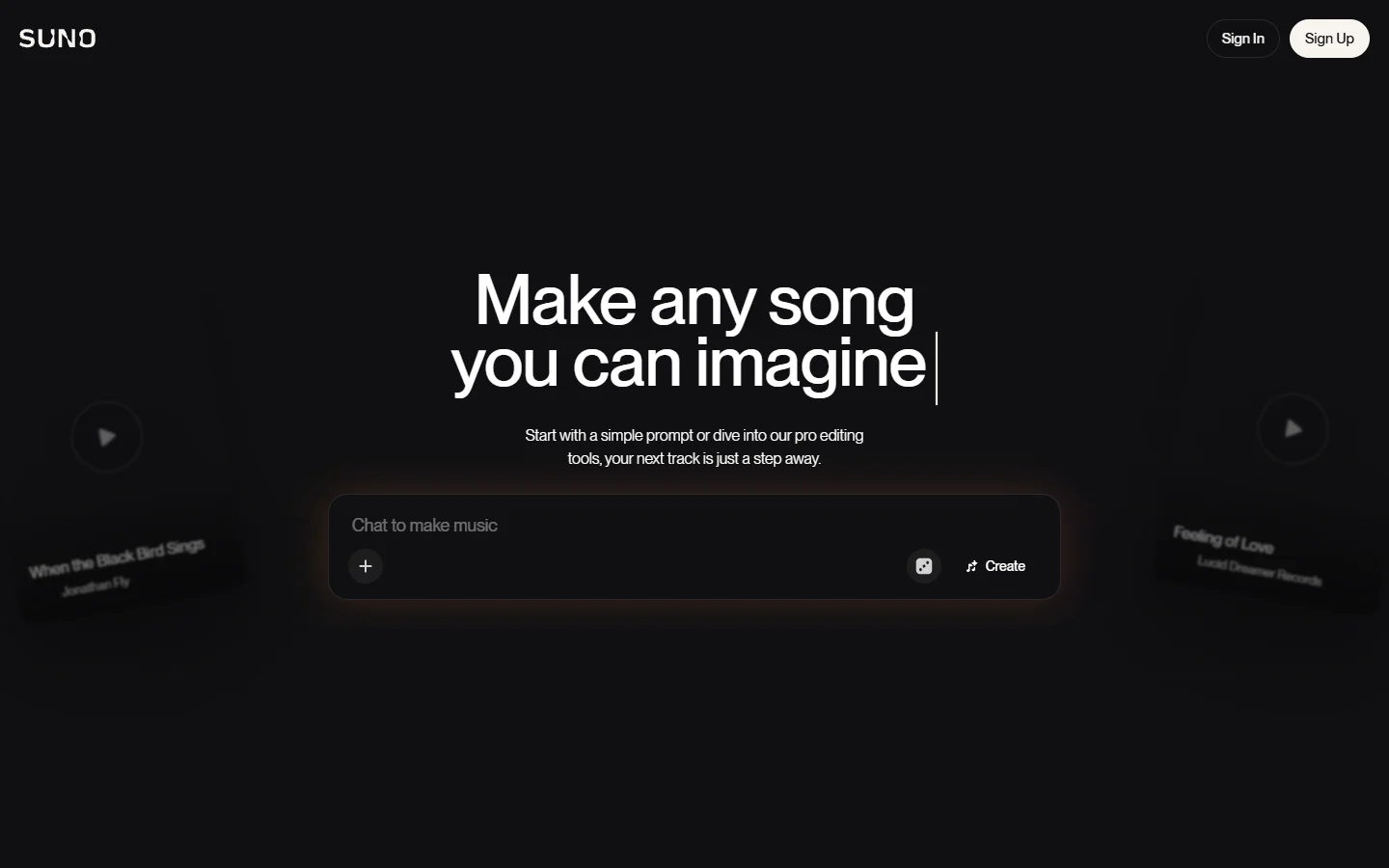
Two new lawsuits filed on November 6 have put the AI music generator Suno back in the middle of the fight over who owns the sounds, songs and identities used to make AI-generated music. Rights holders connected to Elvis Presley and the publisher behind many Eminem compositions are accusing the company of using protected creative work without permission. The cases are separate, and neither has been decided in court.
The disputes matter beyond two famous names. They test where copyright protection ends and an artist’s identity begins—and whether an AI music platform can be held responsible when users generate tracks that allegedly imitate recognizable performers.
What the Elvis Presley and Eminem lawsuits actually claim

The Elvis case was filed by Elvis Presley Enterprises and other rights holders in the U.S. District Court for the Northern District of California. The complaint alleges that Suno’s system can generate recordings that use Presley’s recognizable voice and that the company copied 859 musical compositions to train its models. It invokes copyright law as well as Tennessee’s Ensuring Likeness Voice and Image Security Act, commonly called the ELVIS Act, which addresses unauthorized commercial uses of a person’s voice and likeness.
The separate case was brought by Eight Mile Style, the publisher that controls rights in hundreds of Eminem compositions, together with Martin Affiliated. The complaint identifies 269 compositions and alleges that Suno copied protected works in connection with training and music generation. The publisher is seeking damages that reporting places above $40 million. Eminem is not named as an individual plaintiff; the case is brought by the company that controls the relevant publishing rights.
Those are allegations, not findings. The complaints ask a court to decide whether the conduct violated copyright and other rights. No judge has ruled that Suno infringed the works or unlawfully cloned Presley’s voice. The filings and the reporting on them are available through CBS Detroit’s report on Eight Mile Style and The Verge’s coverage of both lawsuits.
Why the ELVIS Act and AI training create two different legal questions

Copyright and voice rights are related, but they are not interchangeable. Copyright generally protects specific creative works—such as musical compositions and sound recordings. A right-of-publicity or voice-protection claim asks a different question: whether someone has commercially used a recognizable person’s identity without authorization. The Elvis complaint brings both kinds of claims into the same dispute, while the Eight Mile Style case centers on the publisher’s catalog of compositions.
The ELVIS Act is particularly significant because it was designed to address unauthorized uses of a person’s voice and likeness, including certain digital replicas. The Presley plaintiffs argue that the law can reach not only an individual prompt but also technology they say makes unauthorized voice replicas available. The court will have to assess the statute’s wording, the evidence and Suno’s defenses before deciding whether that theory succeeds.
The training question is also unsettled. AI developers have argued in other cases that using copyrighted material to train generative models can qualify as fair use. Music companies and artists counter that copying entire catalogs to build commercial systems is not automatically lawful. The answer may depend on the facts, the works involved, how the material was obtained and how the model uses it. The current lawsuits do not settle that broader debate.
For readers following the wider issue, The Immortal Times previously covered YouTube’s AI music tool and the questions it raises about copyright claims. The Suno litigation is a different set of cases, but both illustrate how platforms are trying to build AI tools around music while rights holders demand clearer permission and compensation rules.
What Suno says—and what happens next

Suno has pushed back on the characterization of its service. In a statement reported by CBS and The Verge, the company said it is built to help people create original music, prohibits unauthorized use of artists’ work, blocks prompts naming specific artists and songs, and uses third-party screening for uploaded audio and lyrics. It also said it is continuing to strengthen those safeguards.
That response is important, but it does not resolve the cases. The plaintiffs argue that the safeguards have not prevented the conduct described in their complaints. Suno will have an opportunity to answer the allegations through the court process, and the plaintiffs will have to prove their claims. Until then, the requested damages and descriptions of alleged copying should not be treated as amounts owed or facts established by a court.
The immediate next step is the litigation itself: formal responses, motions and eventually decisions about what evidence can be considered. The larger industry question is whether licensing, model training and voice protections will develop into a workable framework—or whether more artists and publishers will have to test those boundaries one lawsuit at a time.
For musicians and independent creators, the practical lesson is straightforward: avoid using another artist’s name, lyrics or recognizable voice as a shortcut when generating commercial work, and check the terms and rights attached to any AI-generated track before releasing it. AI tools can lower production barriers, but they do not erase copyright or publicity rights.



Leave a Reply