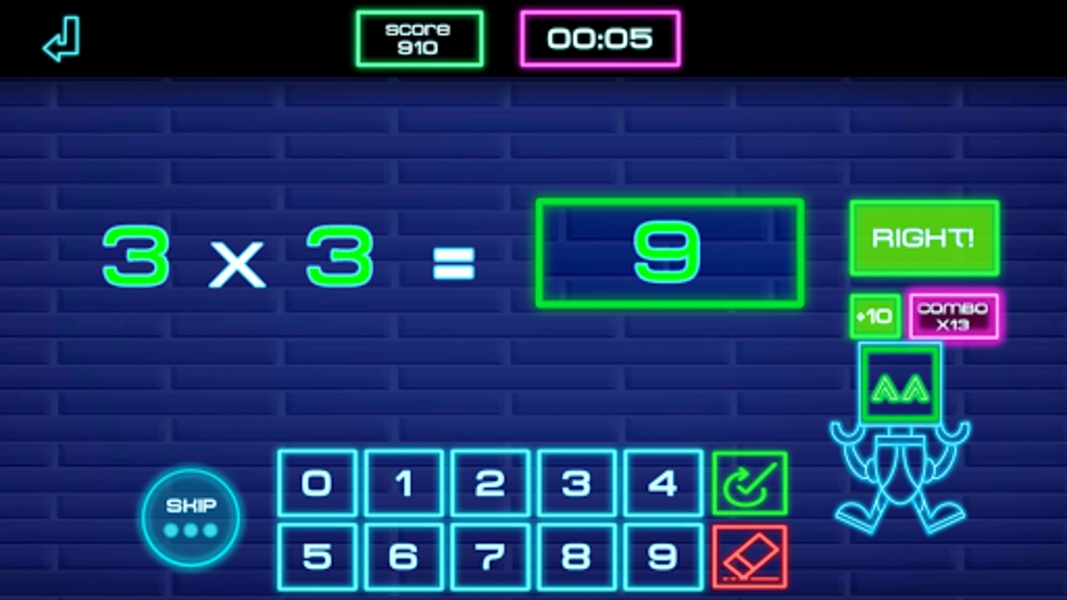
“3×3 Speed Escape” has become a breakout search topic, combining a simple idea—practice multiplication while racing through a colorful obstacle course—with the competitive pull of multiplayer games. The title appeared in Ahrefs’ November 2026 U.S. trending-keyword list with an estimated 7,300 monthly searches and growth above 999% over three months. Those are third-party keyword estimates, not a live count from Google, but they show why the game is attracting attention beyond its regular players.
Here’s what the game actually is, how its speed and multiplication systems work, and where to play it without confusing it with similarly named Roblox experiences.
What is 3×3 Speed Escape?

3×3 Speed Escape is a free, browser-based multiplayer parkour game built around multiplication practice. Players move through candy-colored worlds, clear obstacle stages and compete to reach the top of a leaderboard. The game’s own description lists four worlds and 48 stages, with more speed required as players advance.
The obstacles are part of the appeal: disappearing bridges, rolling barrels, crunchy cookie platforms, rising chocolate lava and oversized marshmallows. It is not simply a quiz with a game skin. Movement and timing matter, while multiplication questions are built into the progression system.
Players can access the title through Timestables.com’s 3×3 Speed Escape page or the 3×3 Games listing. The browser pages provide the game description and instructions. Availability of the playable frame can vary by device, browser or the hosting site.
How to play, build speed and get through the multiplication gates

The first thing to understand is that speed is earned. Simply walking and running around builds your character’s speed over time. That basic movement is useful early on, but later stages require more than casually running around the lobby.
Treadmills provide a faster way to increase speed. The game’s instructions say players unlock new treadmills in the lobby by completing multiplication quizzes. Rebirths, trophy upgrades and trails can also raise the player’s multiplier, making each movement action more valuable. In other words, the game rewards players who combine practice with progression rather than relying on movement alone.
Multiplication doors and quiz areas create another checkpoint. Players must select the correct answer to continue. The game uses times tables from 1 through 12, so being able to recall common facts quickly can save time when a stage is already testing movement and timing.
A practical way to start is to review the tables you find hardest before entering a longer session. Focus on the facts that slow you down—such as 7×8, 8×9 or 12×12—then use the in-game questions as a quick recall test. The aim is to make the answer immediate, not to stop and calculate every time.
Worlds, multiplayer competition and what players should know

The multiplayer element gives the game a reason to keep going after a player understands the basic controls. Friends and classmates can play at the same time and compare their progress on the leaderboard. That turns multiplication recall into a competitive advantage: the faster a player answers, the less time they spend blocked at quiz gates.
The published game description lists four worlds and 48 stages. It also says a fifth world is coming soon, but players should check the live game page for changes rather than assume a release date. The game is described as free to play in a browser, so there is no need to install a separate app simply to try it.
One important distinction: 3×3 Speed Escape is not the same title as Roblox games with names such as “+1 Speed Escape” or other candy-themed obbies. Similar names and visuals can make search results confusing. Check the exact title and the hosting site before following a game link.
For parents and teachers, the strongest use case is short, voluntary practice—not replacing lessons or structured instruction. The game repeatedly brings multiplication facts into a movement challenge, but there is no independent study establishing that playing it alone improves long-term math achievement. It is best treated as an engaging way to rehearse facts students are already learning.
The search spike makes sense: 3×3 Speed Escape offers a simple promise that is easy to understand and share. You get a multiplayer race, colorful obstacles and a reason to answer multiplication questions quickly. If you want a game that makes times-table practice feel less like a worksheet, it is worth trying—while remembering that the leaderboard is only one measure of progress.
Search-demand note: Ahrefs listed “3×3 speed escape” at an estimated 7,300 U.S. monthly searches in its November 2026 trend report. Keyword databases estimate demand and can differ from actual search-engine counts. Read the Ahrefs November 2026 trending-topics methodology and list for context.



Leave a Reply