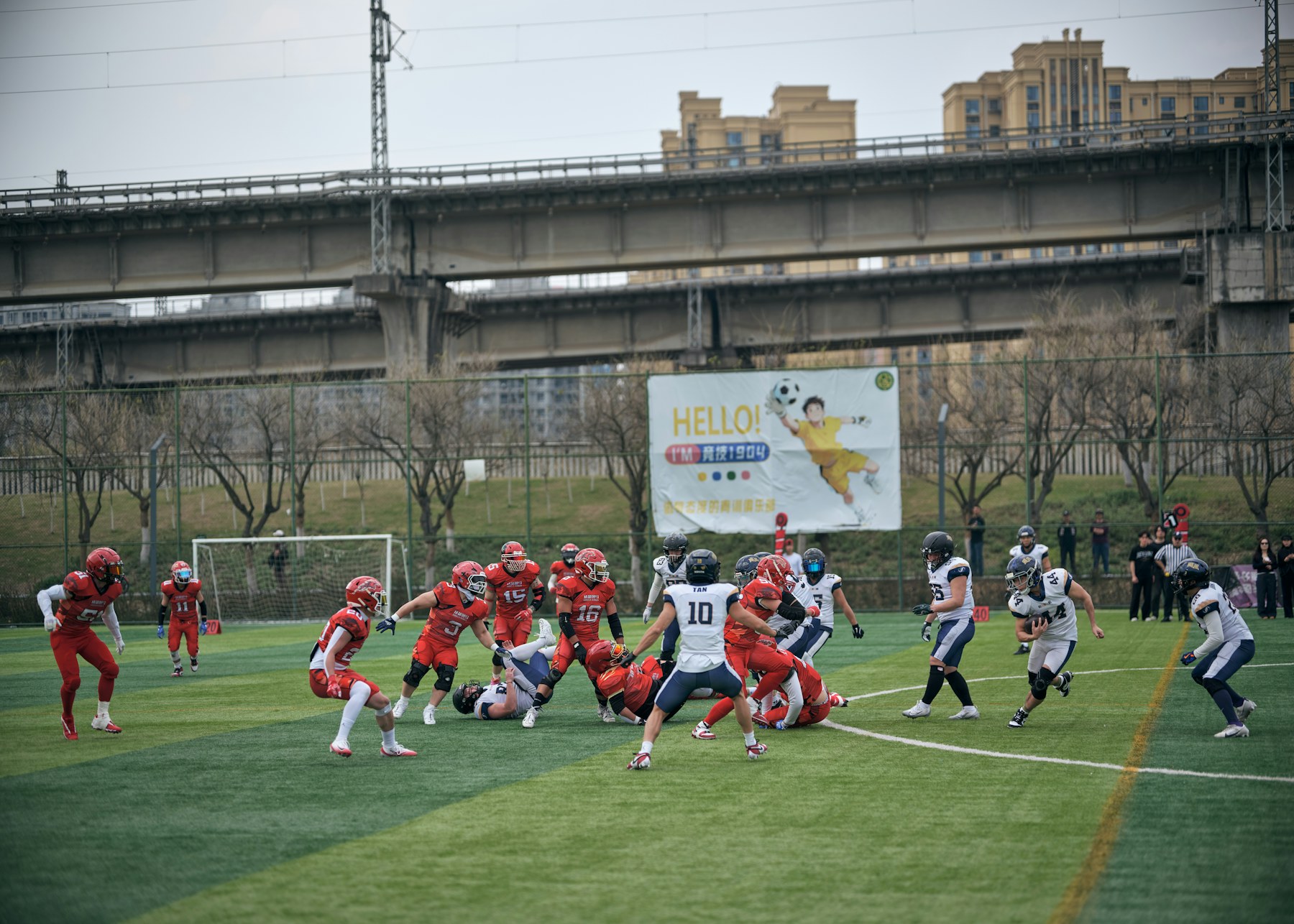
Start with possession and field position

A team can gain fewer total yards and still win if it protects the ball and starts drives in favorable field position. Turnovers can swing a game because they end one team’s possession and often give the opponent a shorter route to scoring.
Look at where drives begin, how often a team crosses midfield and whether the defense forces the opponent into long fields. Those details explain why two teams with similar yardage can produce very different scores.
Efficiency matters more than one big play

A long touchdown can make an offense look explosive, but consistent success on early downs helps a team stay on schedule. Third-down conversion rate, yards per play and red-zone performance provide useful context.
No single statistic explains everything. A team may have a strong third-down rate because it faces short situations, while another may struggle after repeatedly losing yards early in the drive. Read numbers alongside game flow.
Understand the role of penalties

Penalties can erase gains, extend drives or create difficult situations. The timing and location of a penalty often matter as much as the total count. A holding call on a long run, for example, changes field position and can force an offense into a longer sequence of plays.
Penalty totals are not always a simple measure of discipline. Some infractions are more consequential than others, and officiating decisions should be assessed with the actual rule and replay context in mind.
Watch coaching decisions in context
Fourth-down attempts, clock management and timeout use can change a close game. A decision that looks aggressive or conservative after the result may have been reasonable based on the score, time remaining, field position and available data.
Avoid judging a decision only by whether it worked. Better analysis asks whether the choice made sense with the information available at the time.
The takeaway
To understand a football game, look beyond points and highlight plays. Turnovers, field position, efficiency, penalties and situational decisions reveal how the result was built.
Sources and further reading



Leave a Reply