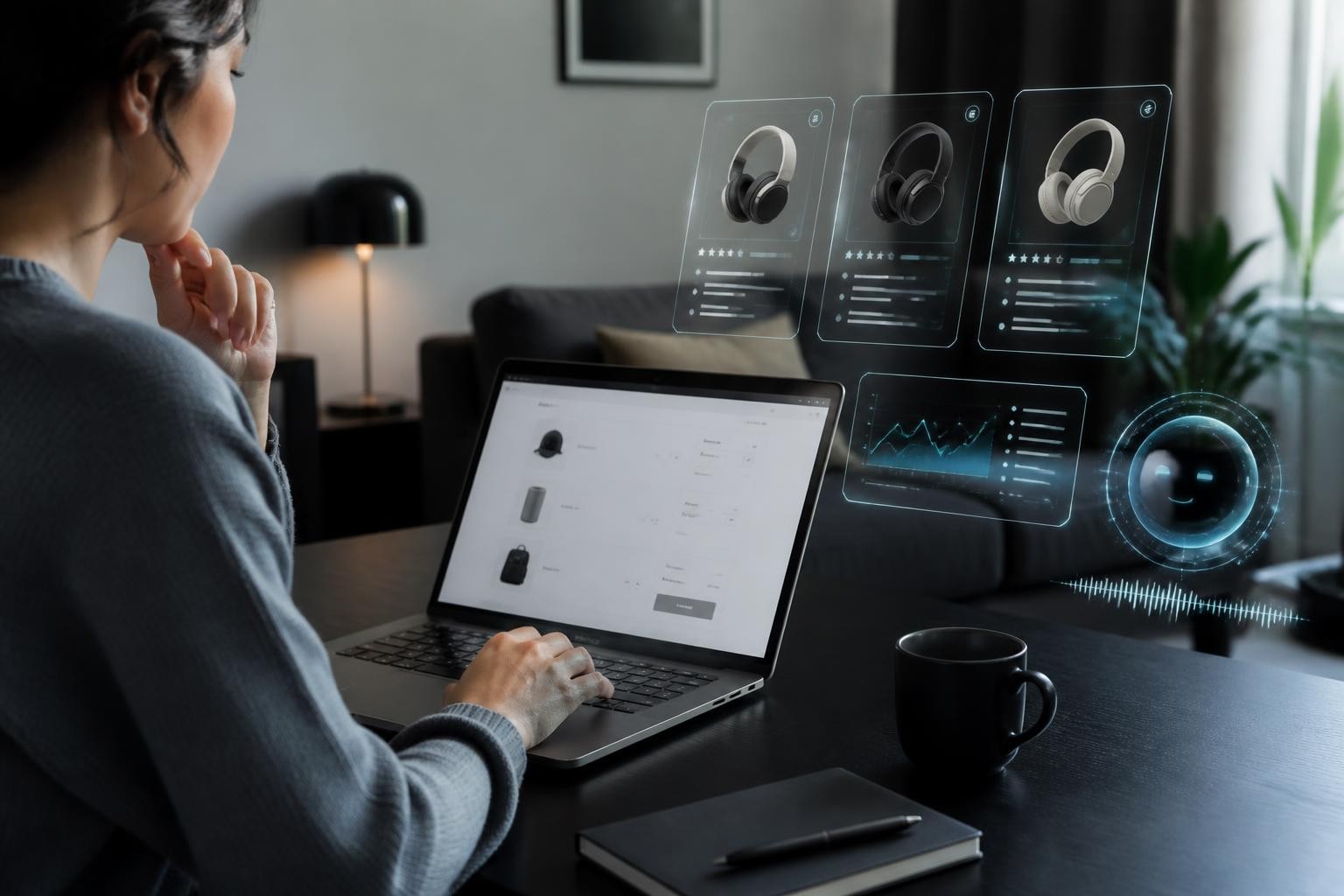
Online shopping may be entering a new phase. Instead of opening several tabs, comparing prices and checking out personally, shoppers are beginning to experiment with AI agents that can search for products, build carts and potentially complete purchases on their behalf. The convenience is obvious. The harder question is who stays in control when software starts spending a customer’s money.
Retailers want to know who is doing the shopping

That question is no longer theoretical. Home Depot has said it is open to AI agents that can search, compare and buy products for customers, but it wants those agents to identify themselves and confirm which customer they represent. The retailer is discussing how Meta’s Muse assistant could introduce itself to its systems.
Other retailers are taking different approaches. Walmart has outlined an agent-shopping system built around customer-controlled permissions and spending limits, while Amazon has restricted an agent that it said was accessing its marketplace without authorization. The emerging lesson is that an AI assistant cannot simply behave like an ordinary human shopper and expect every store to accept it.
The convenience comes with real risks

An agent could save time by comparing specifications, finding compatible supplies or monitoring prices. But a mistaken purchase can be more than an inconvenience. An assistant might choose the wrong size, misunderstand a quantity, overlook a return restriction or spend more than its owner intended.
There are also privacy questions. To complete a transaction, an agent may need access to an account, delivery details or payment authorization. Customers should be able to see what information the agent can access, which purchases it can make and how to revoke that permission.
What a safer AI shopping system should include

- Clear identity: the retailer should know that an automated agent is acting for a real customer.
- Specific permission: customers should decide which stores, product types and actions an agent may use.
- Spending controls: low limits and approval before larger purchases can reduce costly mistakes.
- A reliable record: shoppers should be able to review what the agent searched, selected and purchased.
- Clear responsibility: retailers and agent providers need understandable rules for refunds, unauthorized orders and errors.
The next step for online shopping

AI shopping agents are not yet a universal replacement for the checkout process. Retailer policies, product data, payment systems and consumer protections are still developing. For now, shoppers should treat purchase permissions as carefully as they treat access to a bank account: grant only what is necessary and review every transaction.
The technology may eventually make shopping feel almost effortless. Whether people trust it will depend less on how clever an agent sounds and more on whether customers can understand, limit and reverse what it does.
Sources

- Business Insider: Home Depot wants your AI agent to show some ID first
- PYMNTS: Walmart and Home Depot set the rules for AI shoppers
Related Reading




Leave a Reply