Cardi B is responding directly to the colorism debate surrounding her career, rejecting the idea that her skin tone alone explains her success while acknowledging that lighter-skinned women can have advantages in parts of the entertainment industry.
In a lengthy statement posted to X, the rapper said people were circulating a 13-second excerpt from a 15-minute livestream she made in 2024. Cardi’s complaint is that the short clip leaves out the broader explanation she says she gave at the time.
Her response addresses two issues at once: the reality of colorism and her objection to having her personal career story reduced to her complexion. She also turned the criticism toward comedian and podcaster Mona Love, known as Don’t Call Me White Girl, questioning why Mona discussed the old clip publicly instead of asking her about it privately.
Read Cardi B’s Full Statement

Cardi shared the statement directly with her followers on X. The embedded post below contains her own words and is the primary source for the comments discussed in this article.
Open the original video or source
Cardi Acknowledges Colorism—but Says It Doesn’t Tell Her Whole Story

Cardi did not dismiss colorism. She said she has witnessed differences in how men treated her and darker-skinned women while she was working in a strip club. She also pointed beyond nightlife and entertainment, saying colorism can affect people in workplaces and in the justice system.
Her point was not that skin tone never influences opportunity. In fact, she explicitly acknowledged that a light-skinned woman may sometimes find it easier to get a foot in the door than a darker-skinned woman. What she disputes is the suggestion that this factor, by itself, accounts for her career achievements.
That distinction is central to her response. Cardi says recognizing an unequal playing field should not require dismissing the work, decisions and business strategy that helped her build a lasting career.
She Says People Judged Her Appearance Before They Saw Her Potential

To explain why she rejects the idea that she was automatically embraced as an industry beauty standard, Cardi revisited her early years. She recalled people focusing on her teeth, acne, braids and overall appearance, and said she was called a “dirty stripper.”
According to Cardi, people told her she was not the kind of woman audiences or the industry wanted to see. She says she faced rejection and had to keep proving that she was more than her appearance, the way she spoke or the color of her skin.
Her account is a personal explanation of how she remembers her rise—not a claim that every performer faces the same barriers. But it shows why she objects to having her success summarized as a complexion advantage. In her view, that explanation leaves out the obstacles she says she encountered and the effort she believes changed her career trajectory.
Cardi Credits Marketing, Consistency and Knowing Her Audience

Cardi also made a business argument. She said other light-skinned women have had access to similar spaces and opportunities without receiving the same deals or reaching the same level of success.
She credited her ability to study her audience, understand consumers and remain reliable. In her telling, getting an introduction or initial opportunity is only one part of the process. Staying relevant and continuing to earn a place in the room requires work, strategy, consistency and talent.
That is the heart of her disagreement with the claim that her skin tone explains her career. Cardi is not arguing that bias disappears once someone becomes successful. She is arguing that acknowledging bias and recognizing an individual’s work are not mutually exclusive.
Why Cardi Is Upset With Mona Love

Cardi’s statement then shifted from the wider issue to Mona personally. She said Mona had contacted her privately over the years for advice about personal matters, surgery, career decisions and how to pitch herself for brand deals.
Because of that history, Cardi questioned why Mona did not reach out to ask about the 2024 livestream before making a public video based on a short excerpt. Cardi said she felt the clip was being used without the context of the full conversation.
The disagreement follows public comments by Mona about colorism and career opportunities. In an October 29 report, The Jasmine Brand described Mona’s argument as being that Cardi’s lighter complexion and Dominican heritage may have helped open doors to brand deals and opportunities that a darker-skinned woman with similar talent might not receive. Mona was also reported as saying she was a fan of Cardi.
Read The Jasmine Brand’s coverage of Mona’s earlier comments.
Cardi’s objection is that Mona could have asked her directly about the livestream, especially given their alleged private conversations. She said the public discussion left her feeling misrepresented and dragged into a debate without the full context being considered.
Cardi Connects the Dispute to the Tia Kemp Backlash

Cardi also accused Mona of bringing her into the colorism conversation as a way to deflect from criticism Mona was receiving over comments about Tia Kemp. Cardi said the backlash involved Mona criticizing Kemp’s comedy and questioning her while Kemp was reportedly selling more tickets.
Cardi challenged what she described as a double standard: questioning why Mona would suggest that she was more deserving of success while making comments about being light-skinned and having a particular body type. Cardi framed that as part of the same colorism conversation Mona had raised about her.
Those are Cardi’s accusations and interpretation of Mona’s motives. Mona’s side of this specific exchange is not established by Cardi’s statement, and the claims about why Mona raised the subject should be understood as Cardi’s perspective rather than independently verified fact.
The Bigger Conversation: Opportunity Versus Individual Achievement

The argument touches on a difficult question in entertainment: how do you acknowledge that appearance and skin tone can shape access to opportunities without assuming that every person who benefits from an advantage owes their entire success to it?
Colorism can influence visibility, casting, marketing and the way people are treated. At the same time, an artist’s career can involve years of work, audience connection, commercial decisions and creative ability. Treating those realities as if only one can be true makes the discussion less useful.
Cardi’s message is that she can recognize the advantages lighter skin may bring while still defending her own experience and accomplishments. She ended by reminding fans that she works for them, calling her supporters the bosses.
Whether readers agree with Cardi’s assessment of Mona or her account of the industry’s treatment of her, her statement makes one thing clear: she does not want her career discussed through a clipped 13-second moment when, as she says, there was a much longer conversation to hear.
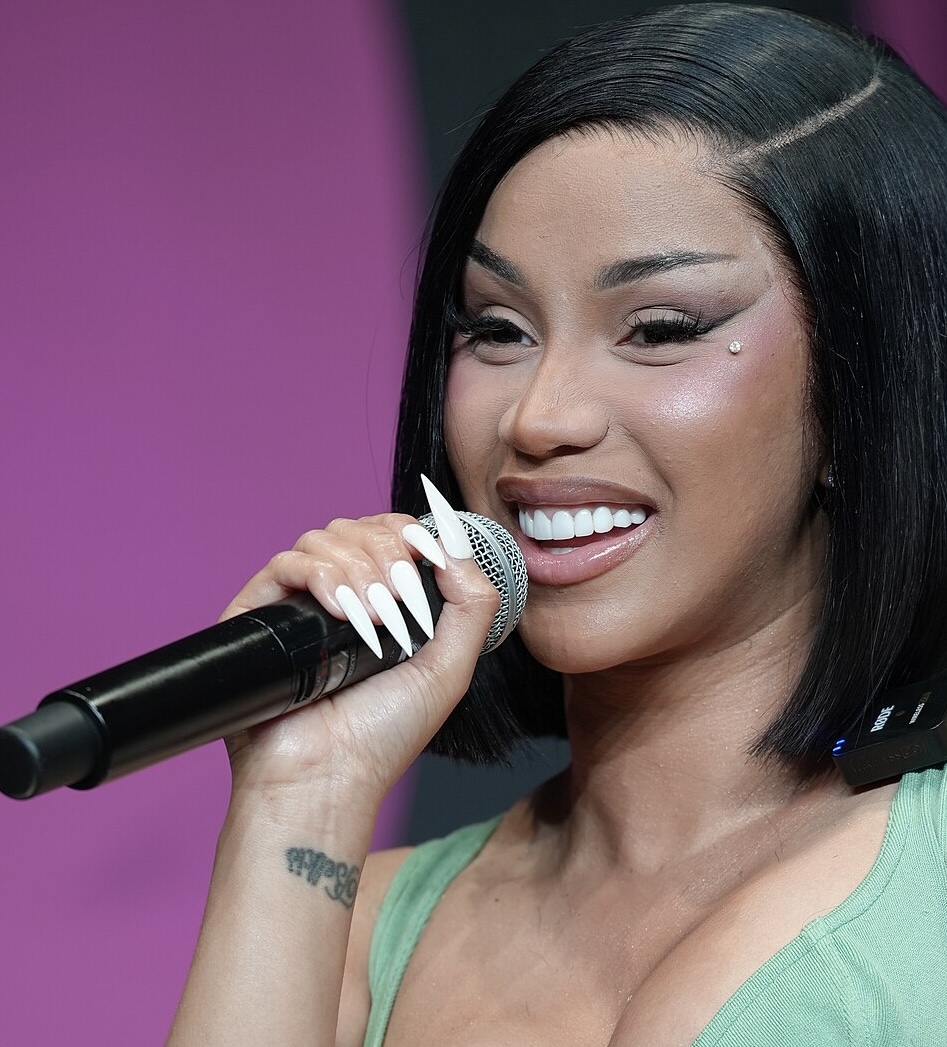
Photo: Runawaymo / Wikimedia Commons (CC BY-SA 4.0). Cardi B photographed at the 2026 Essence Festival of Culture.


Leave a Reply