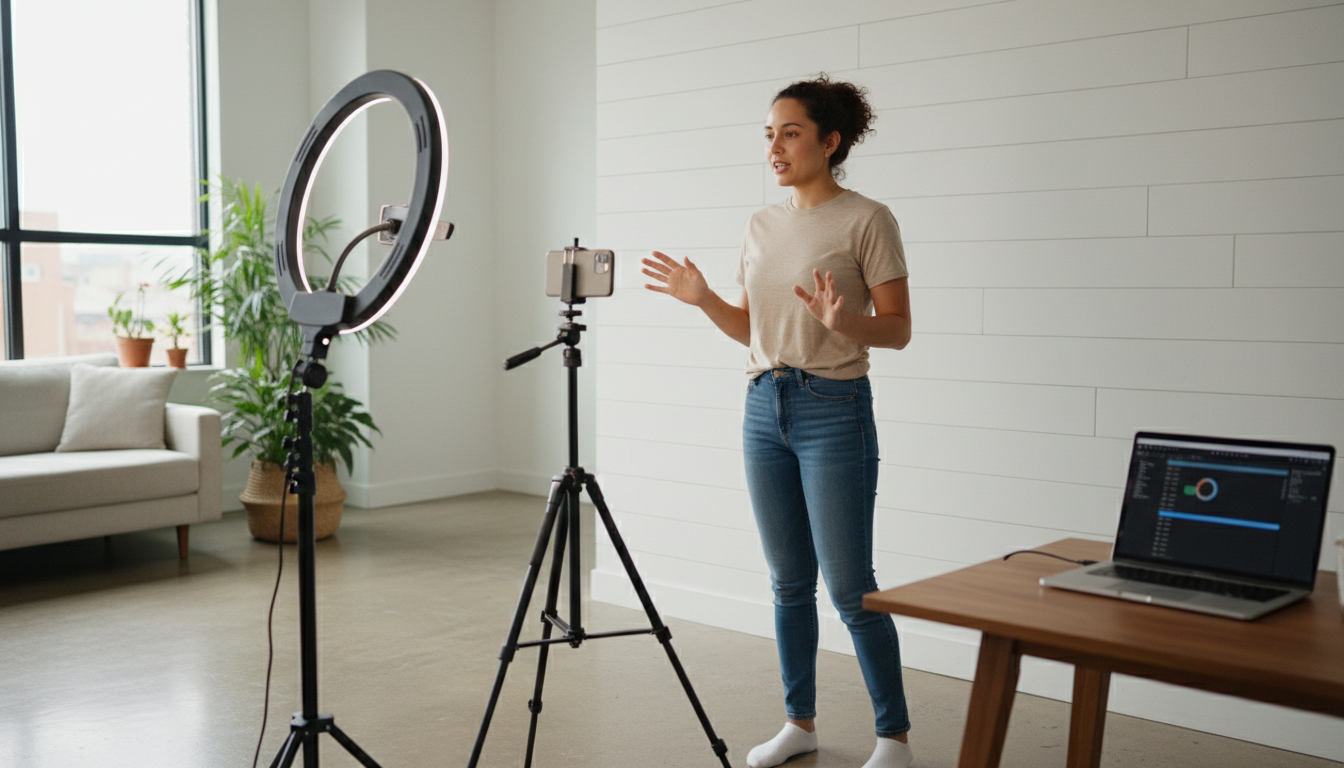
For years, the standard social-media video was built around a quick hook, a fast edit and a short burst of attention. That format is not disappearing, but the platforms are making room for something longer. Creators are experimenting with recurring shows, interviews, documentaries and serialized entertainment that can keep viewers watching beyond a single scroll.
A November 5, 2026 report in Vogue described a growing shift toward longer creator video across social platforms. Instagram’s move to support horizontal videos up to 90 minutes was one example, alongside longer-form ambitions across TikTok, Substack and YouTube. The direction is important: social media is increasingly competing not only with other feeds, but with television and streaming entertainment.
Why platforms want people to watch longer

Longer viewing creates more opportunities for platforms to build habits. A short clip may capture a moment of attention, but a series can turn that moment into a routine. Viewers may return for the next episode, follow a recurring host or spend time exploring related content.
Long-form video also gives platforms more formats to sell around. A creator-led interview series, documentary or talk show can support sponsorships, branded integrations and other commercial arrangements that do not always fit naturally into a 20-second clip. Longer content can create a more substantial relationship between a creator, an audience and a sponsor.
The strategy is not simply to make every video longer. It is to give viewers a reason to stay. A 60-minute video with no structure is still a poor viewing experience. The strongest longer formats use a clear premise, a recognizable host, a reason for each segment and an ending that makes the episode feel complete.
Short clips are becoming the trailer

The shift toward longer video does not make short-form content obsolete. Short clips remain useful for discovery. A creator can post a memorable moment, a strong opinion or a quick tip that introduces new viewers to a larger series. The longer episode then gives interested people more context.
This creates a content system rather than a choice between short and long. A single interview can produce a full episode, several short highlights, a quote graphic, a behind-the-scenes clip and a written summary. Each format serves a different purpose, and each can direct audiences toward the others.
Creators should avoid treating every short clip as a random repost. A useful excerpt should stand on its own while making the full episode more appealing. If the clip gives away the entire point, the viewer has no reason to continue. If it is too vague, the viewer may not care.
What makes a creator-led show work

A recurring show needs a recognizable promise. Viewers should know what they will get from an episode and why the next one is worth watching. That promise might be expert interviews, behind-the-scenes access, cultural commentary, product testing, tutorials or a recurring challenge.
- A clear premise: Explain the show in one sentence.
- A consistent structure: Use recurring segments without making every episode identical.
- A strong host or point of view: Give viewers a reason to choose this creator.
- Useful pacing: Remove repetition and make each segment earn its place.
- A sustainable schedule: Publish at a rhythm the team can maintain.
- A real audience relationship: Listen to questions and use feedback to shape future episodes.
The business model is changing too

Creators who build longer programs may have more ways to earn, but the format also costs more. Research, filming, editing, guests, graphics, sound and production time can increase quickly. A creator should not assume that a longer video automatically earns more money. The economics depend on platform eligibility, audience retention, advertiser demand, sponsorship terms and the cost of producing the episode.
Sponsorships can be a natural fit when a brand supports a show that shares its audience. But the partnership should be transparent. Viewers need to know when a segment is sponsored, and creators should protect the editorial identity that made the audience interested in the first place.
A creator can also build revenue through memberships, paid communities, affiliate recommendations, merchandise, events or products. These options work best when they connect to the show’s subject and audience needs. A channel about personal finance may support tools and educational products; a fashion series may support styling services, product links or events.
What viewers gain—and what they should watch for

Longer video can provide context that short clips cannot. A complicated subject can be explained in stages. A guest can develop an idea. A documentary can show how events unfolded. Viewers may feel more connected to a host when they spend time with a recurring format.
There are trade-offs. More time does not guarantee more accuracy. A long interview can still repeat weak claims, and a polished creator show can still be an advertisement. Viewers should check sources, distinguish opinion from reporting and notice when a sponsor has influenced the content.
A practical strategy for creators

Creators who want to experiment with longer video should begin with one repeatable format instead of trying to launch a full network. Choose a subject that can support multiple episodes, define the viewer benefit and test a manageable length. Measure completion, returning viewers, meaningful comments and whether people move from a clip to the full episode.
A simple pilot could include three episodes with the same structure. After each release, review where viewers leave, which segments create useful discussion and which questions appear repeatedly. The goal is to improve the show, not to chase a single viral spike.
The bottom line


The creator economy is moving into a new phase in which short-form clips and longer programs can work together. Platforms want more viewing time, brands want deeper audience relationships and creators are looking for formats that build loyalty beyond a single post.
The opportunity is real, but longer is not automatically better. A successful creator show needs a clear idea, consistent execution and a reason for viewers to return. The creators who understand that will be better positioned than those who simply stretch short videos to fill a longer timeline.
Sources and further reading

Vogue: As Social Media Shoots for Long-Form, Should Brands Invest in Creator TV? (Nov. 5, 2026).
Related reading: Why Some Social Media Stories Explode While Others Get Ignored and CrowdStrike’s AI Kill Switch Raises a Bigger Question About Autonomous Agents.
The bottom line

Longer videos give creators more room to tell complete stories, build returning audiences and develop formats that feel closer to television. But length alone does not guarantee retention or revenue. Creators should test formats against watch time, audience response and earnings rather than stretching videos without a clear reason.

Leave a Reply