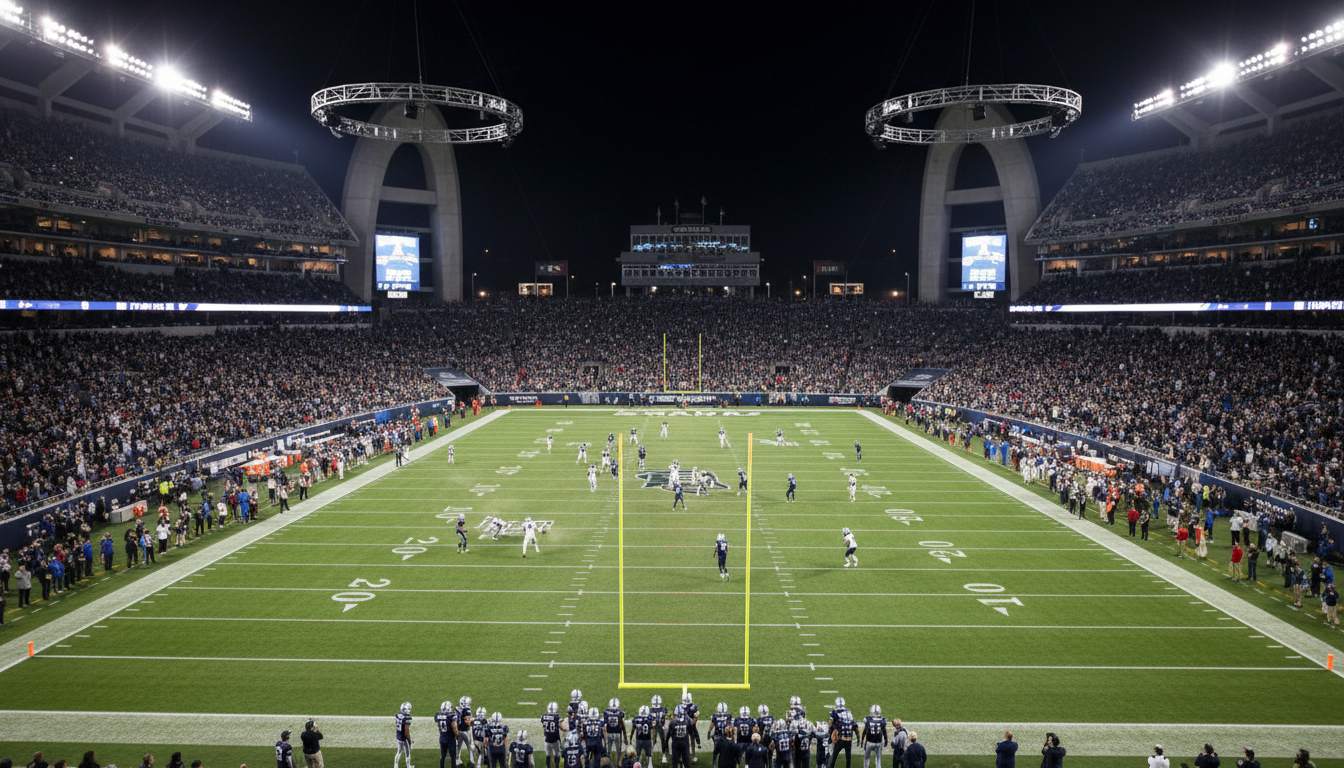
American football is preparing for another major international moment. On November 8, the Cincinnati Bengals and Atlanta Falcons are scheduled to meet at Madrid’s Santiago Bernabéu Stadium. The game is one of nine international contests planned for the 2026 NFL season, a record schedule that takes the league across four continents, seven countries and eight stadiums.
For the NFL, this is more than a one-week trip. The league is building a long-term presence in markets where soccer, rugby and other sports already have established audiences. International games give fans a chance to see regular-season football in person, but the broader strategy also includes youth programs, local partnerships, merchandise, media coverage and year-round fan engagement.

What is happening in Madrid

The official NFL schedule lists the Bengals and Falcons for a November 8 game at the Bernabéu Stadium, the home ground of Real Madrid. The venue is one of the most recognizable stadiums in world sport, and hosting an NFL game there gives the league access to a setting already associated with major international events.
The NFL says the 2026 season includes nine international games. The schedule spans Melbourne, Rio de Janeiro, London, Paris, Madrid, Munich and Mexico City. The Madrid game is part of a multiyear commitment to the city, following the league’s first regular-season game there in 2025.
For fans, the immediate attraction is straightforward: a regular-season game with real standings implications, played in a different atmosphere. For the league, the event is a chance to deepen interest in a market where it says there are millions of fans and where it is investing in grassroots participation.
Why the NFL keeps expanding internationally
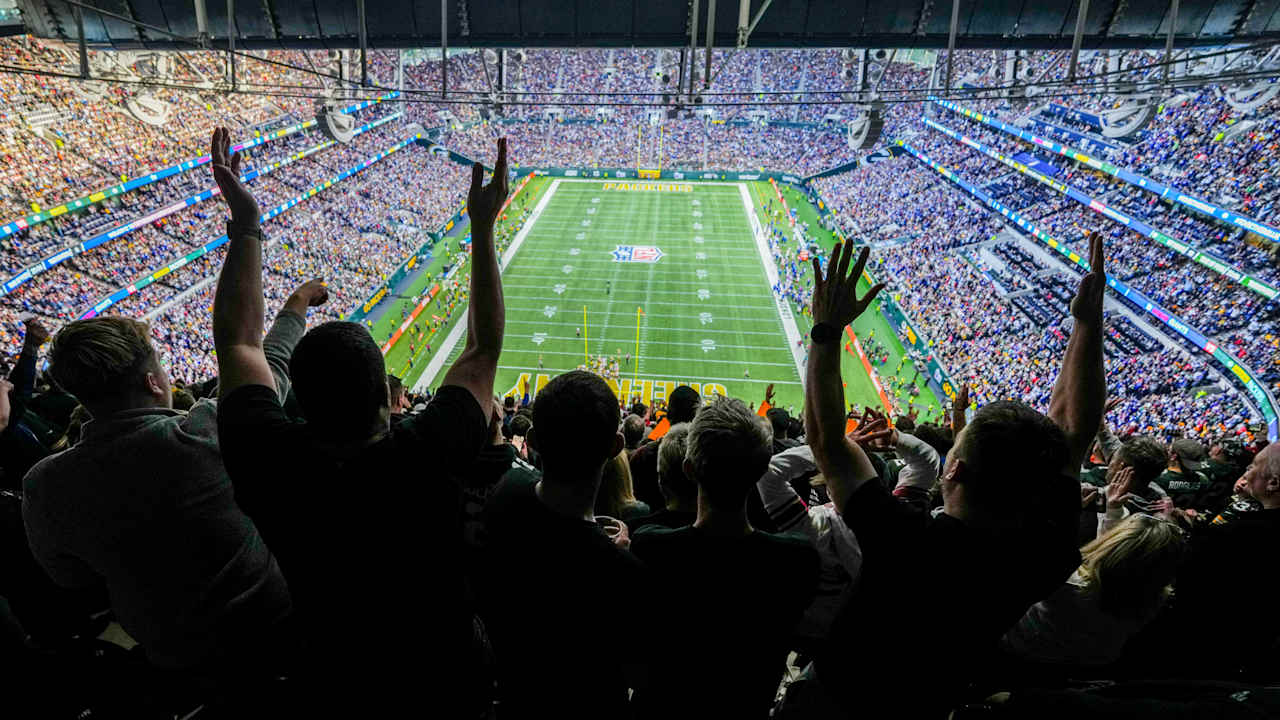
International games solve several business goals at once. They give existing fans in other countries a live e vent, introduce new audiences to the sport and create commercial opportunities for teams and league partners. A game in a major city can generate weeks of local attention, from ticket sales and tourism to media coverage and fan events.
The NFL’s Global Markets Program gives teams marketing rights in international territories so they can develop relationships with fans and businesses. The league says all 32 clubs participate in the program, with rights across 22 international markets. Those rights can support local events, merchandise, youth football and commercial partnerships.
The strategy is built around repetition. One game can create excitement, but a lasting fan base requires regular contact. Local flag-football programs, school partnerships, team visits and accessible broadcasts help make the sport familiar between international games.
The nine-game international schedule

The league’s official 2026 slate includes a mix of established host cities and new markets. Melbourne, Rio de Janeiro and Paris are among the new cities listed for this season, while London, Madrid, Munich and Mexico City continue to be important stops.
- Melbourne: Los Angeles Rams vs. San Francisco 49ers, scheduled for September 10 local time.
- Rio de Janeiro: Baltimore Ravens vs. Dallas Cowboys, scheduled for September 27.
- London: three games across Tottenham Hotspur Stadium and Wembley Stadium.
- Paris: Pittsburgh Steelers vs. New Orleans Saints, scheduled for October 25.
- Madrid: Cincinnati Bengals vs. Atlanta Falcons, scheduled for November 8.
- Munich: New England Patriots vs. Detroit Lions, scheduled for November 15.
- Mexico City: Minnesota Vikings vs. San Francisco 49ers, scheduled for November 22.
The schedule demonstrates that international expansion is no longer limited to a single annu al game in London. The NFL is testing different markets and stadium environments while building a calendar that can reach fans across regions.
What makes the sport difficult to export

American football has a learning curve for new viewers. The game includes specialized positions, complex rules, frequent stoppages and strategy that can be difficult to follow without explanation. A first-time viewer may understand a touchdown but not why a team chose a particular formation or why a penalty changed the field position.
That is why international growth requires more than selling tickets. The league and teams need to make the sport easier to learn. Short explainers, local-language coverage, youth flag football and fan events can help people understand the basics before they become deeply invested in a team.
Flag football is particularly important because it offers a non-contact version of the game that can be played with fewer resources than a full tackle program. It also provides a route for young people to experience the sport without needing the same equipment or facilities.
What local fans gain

Hosting an NFL game can bring international fans a rare live experience without traveling to the United States. It can also create opportunities for local businesses, tourism operat ors and sports organizations. The presence of a major American league can bring attention to a city’s stadium infrastructure and its ability to host global events.
There is also a cultural exchange. American fans may travel to Madrid and experience the city through the lens of a major sporting event, while Spanish fans get a closer look at the rituals, rivalries and spectacle of NFL football. The event can create new traditions, even if the sport never replaces the local favorites.
What the league still has to prove
International expansion is expensive. Teams must travel, adapt schedules and manage recovery across time zones. Stadiums need to be configured for a different field and game-day operation. The league also has to determine whether the audience growth lasts after the event leaves town.
The strongest measure of success will not be one sold-out stadium. It will be repeat engagement: fans following teams during the regular season, young players joining local programs, broadcasters maintaining interest and sponsors seeing a durable audience. If those habits develop, international games can become part of the league’s long-term business rather than a one-off spectacle.
Bengals vs. Falcons: 2026 Madrid game time and matchup

The 2026 NFL Madrid Game is scheduled for Sunday, November 8, at the Bernabéu Stadium. Kickoff is 9:30 a.m. Eastern Time, which is 3:30 p.m. in Madrid. The NFL’s Week 9 capsule lists Cincinnati at 5–2 and Atlanta at 3–5 entering the matchup. Those records give the game different stakes for each team, but a neutral-site international game also brings unusual travel and preparation demands.
The matchup features recognizable offensive talent on both sides. Cincinnati’s passing game is led by quarterback Joe Burrow and receiver Ja’Marr Chase, while Atlanta’s offense features running back Bijan Robinson. The game gives international fans a chance to see established NFL stars in a stadium better known around the world for association football.
What channel is the Bengals vs. Falcons Madrid game on?

In the United States, the game is scheduled to air nationally on NFL Network. NFL.com lists NFL+ as a mobile streaming option. Viewers outside the United States should check local broadcast listings because rights and platforms vary by country.
Where is the 2026 NFL Madrid Game being played?
The game will be played at the Bernabéu Stadium in Madrid, Spain, home of Real Madrid. The NFL returned to Madrid for a second regular-season game after the league’s first regular-season contest in the city in 2025.
Why does the Madrid game matter to the NFL?

International games are part of the NFL’s longer-term effort to build audiences beyond the United States. A regular-season game gives fans in the host market a live event while exposing visiting supporters to the city, stadium and local fan activities. The league has scheduled nine international games in 2026, including contests in several European and Latin American markets.
Bengals vs. Falcons Madrid game: quick facts

- Date: Sunday, November 8, 2026
- Kickoff: 9:30 a.m. ET / 3:30 p.m. Madrid time
- Venue: Bernabéu Stadium, Madrid, Spain
- Matchup: Cincinnati Bengals vs. Atlanta Falcons
- U.S. TV: NFL Network
- Mobile streaming: NFL+
- Records entering Week 9: Bengals 5–2; Falcons 3–5
Frequently asked questions

What time is the Bengals vs. Falcons game in Madrid?

Kickoff is scheduled for 3:30 p.m. Central European Time in Madrid on Sunday, November 8, which is 9:30 a.m. Eastern Time in the United States.
How can I watch Bengals vs. Falcons in the United States?

The game is scheduled for NFL Network, with NFL+ listed as a mobile streaming option. Check your TV provider and the NFL’s official schedule for current access details.
Is the Madrid game a regular-season NFL game?

Yes. It is an official Week 9 regular-season game, and the result counts in the NFL standings.
For final broadcast details, team updates and any schedule changes, use the NFL’s official Week 9 viewing guide and the Cincinnati Bengals’ Madrid game hub.
The bottom line

The Bengals-Falcons game in Madrid is a visible piece of a much larger NFL strategy. The league is using regular-season games, local partnerships and youth participation to turn international curiosity into year-round fandom. A record nine-game slate shows how ambitious that effort has become.
The next test is whether the excitement around the event translates into lasting interest. For fans in Madrid, the game is a chance to see the NFL live. For the league, it is another step toward proving that American football can build a meaningful place in the global sports calendar.
Sources and further reading

NFL Football Operations: 2026 International Games Slate.
NFL.com: 2026 NFL Madrid Game FAQs.
More sports coverage: The Immortal Content Sports section.



Leave a Reply