The U.S. labor market delivered a stronger-than-expected report for October, with employers adding 165,000 nonfarm payroll jobs and the unemployment rate holding at 4.1%, according to the Bureau of Labor Statistics (BLS). The figures, released November 6, suggest hiring remained resilient even as households and investors continue to watch inflation, borrowing costs and the pace of economic growth.
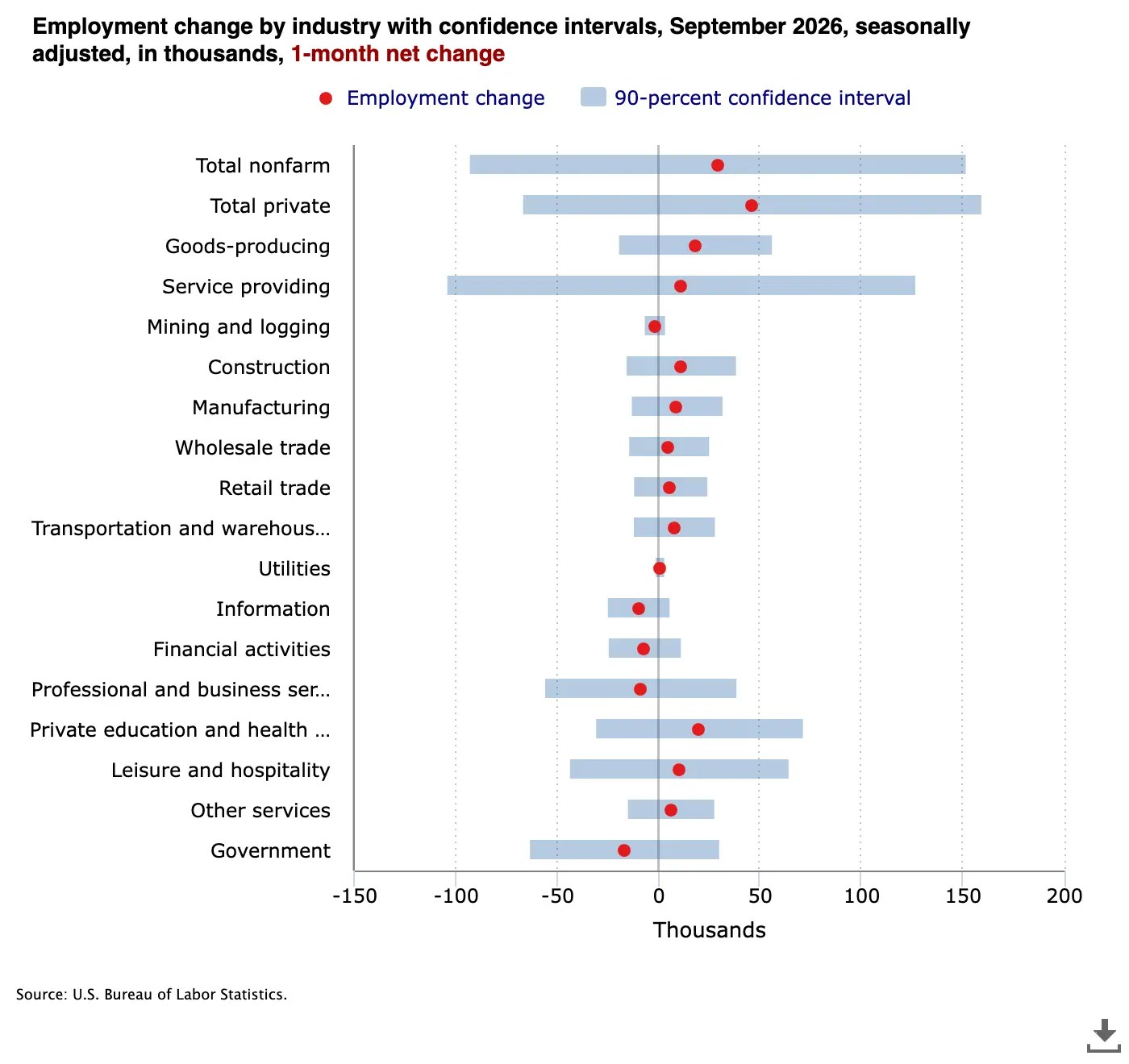
The headline gain was well above the average monthly increase of 48,000 over the previous 12 months. It also exceeded the roughly 65,000 jobs economists surveyed by Reuters had expected. September’s payroll increase was revised up to 60,000 from the previously reported 29,000, while August was revised to 186,000. Those revisions matter: monthly employment estimates are preliminary and are routinely adjusted as more employer information arrives.
Which industries did the hiring?


Professional and business services led the month, adding 70,000 positions. The BLS narrative reports that health care added 42,000 jobs; its industry table lists 55,100 for the broader combined category of health care and social assistance. Transportation and warehousing gained 24,800 jobs (about 25,000), including 17,000 in couriers and messengers and 4,000 in air transportation. Manufacturing added 19,000. This distinction matters because the combined category is not the same as health care alone.
The BLS described employment in several other major industries as showing little change. Its detailed table still records small declines in construction (-3,000) and leisure and hospitality (-13,000). Those figures are not large enough to change the overall picture, but they are worth distinguishing from a flat reading. A positive national total can hide very different experiences across occupations, regions and skill levels.
The unemployment rate is only part of the story

The unemployment rate held at 4.1%, representing about 7.1 million people actively looking for work. The labor-force participation rate was 61.9%, while the employment-population ratio was 59.3%. The BLS also reported that the number of people working part time for economic reasons rose by 339,000 to 4.8 million. These workers wanted full-time jobs but had their hours cut or could not find full-time positions.
Average hourly earnings for private nonfarm employees rose 14 cents, or 0.4%, to $38.00. Pay was 3.1% higher than a year earlier. That is useful progress for workers, but wage growth must be considered alongside inflation. The latest available CPI reading at the time of this report was September’s 3.7% annual increase, with the October CPI scheduled for November 10. A strong paycheck increase does not automatically translate into stronger purchasing power if everyday costs rise just as quickly.
What workers and employers should watch next


For job seekers, the report points to continued opportunities in professional services, health care, logistics and selected manufacturing roles. It does not mean every employer is hiring or that finding a job is easy. Applicants should look beyond the national headline and monitor openings in their local labor market, the qualifications employers request, and whether posted roles are full-time or part-time.
For employers, a stronger labor market can mean continued competition for experienced workers, especially in sectors that expanded during October. For policymakers and investors, the data complicate the interest-rate picture: employment is firm, but inflation remains above the Federal Reserve’s long-run target. Strong hiring can support household income while also reducing pressure on policymakers to cut rates quickly.
The bottom line

October’s 165,000 payroll gain is a meaningful sign of labor-market resilience, not proof that every worker is thriving. Hiring was concentrated in a handful of industries, unemployment remained steady, and more people were working part time for economic reasons. The next CPI report and future revisions to payroll data will help clarify whether the economy is moving toward a stable balance of employment, wages and prices. For now, the most accurate reading is that the U.S. job market is holding up better than many forecasts anticipated, but the details beneath the headline still matter.
Sources and further reading

- U.S. Bureau of Labor Statistics — October 2026 Employment Situation
- Joint Economic Committee — October employment update
- Reuters — U.S. job growth beats expectations in October



Leave a Reply