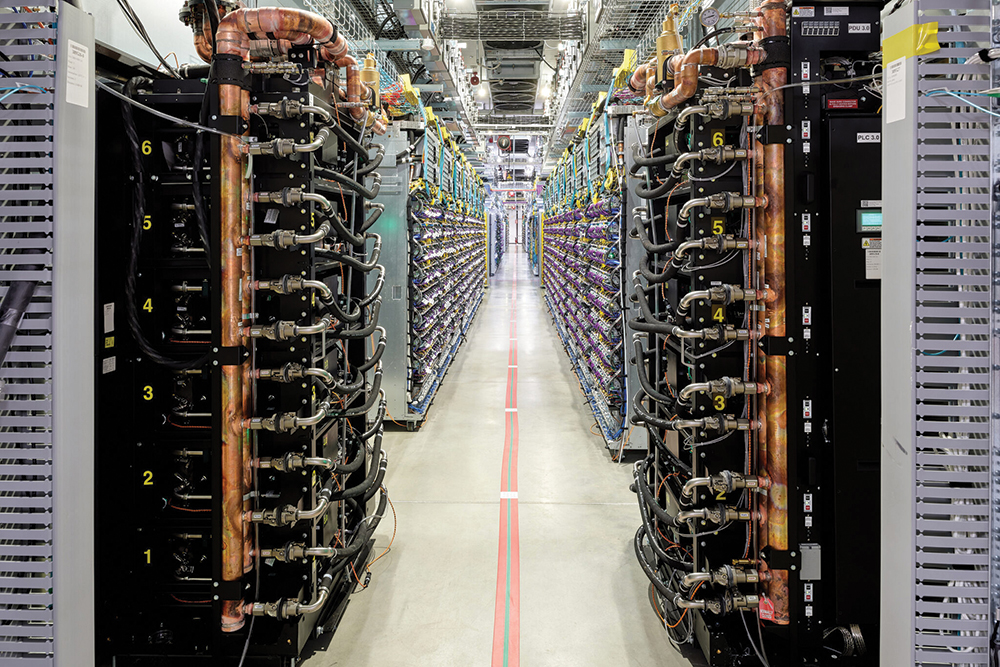
The artificial-intelligence race is increasingly being fought not only in software labs, but on physical land: in server halls, power substations, transmission corridors and communities being asked to host enormous data-center projects. Two announcements on November 6 illustrate how quickly the infrastructure story is changing. Google acquired a data-center site in southeast Wyoming from AI infrastructure developer Crusoe, while OpenAI said it would continue expanding U.S. data centers despite growing political and community scrutiny.
Reuters reported that Google’s acquisition followed the company’s disclosure of a $17 billion investment in the Wyoming project. Separately, OpenAI CFO Sarah Friar told CNBC that the company would press ahead with U.S. expansion and described steps intended to reduce local opposition, including ending the use of nondisclosure agreements with public officials during site discussions and sharing construction plans and potential impacts with residents.
Why AI needs so much infrastructure

Training and running advanced AI systems requires large clusters of specialized processors, high-speed networking, storage and cooling. Those systems draw significant electricity and must operate reliably. A data center is therefore not simply a warehouse full of computers: it is a complex industrial facility that needs access to power, water or other cooling resources, fiber connectivity, backup systems and a trained workforce.
The growth in AI use has made computing capacity a strategic asset. Cloud providers, model developers and chipmakers are competing to secure enough capacity to serve customers. But building a facility takes time. Developers must secure land, negotiate utility service, obtain permits, finance construction and connect the site to a grid that may already be under pressure.
Local resistance is becoming a business risk
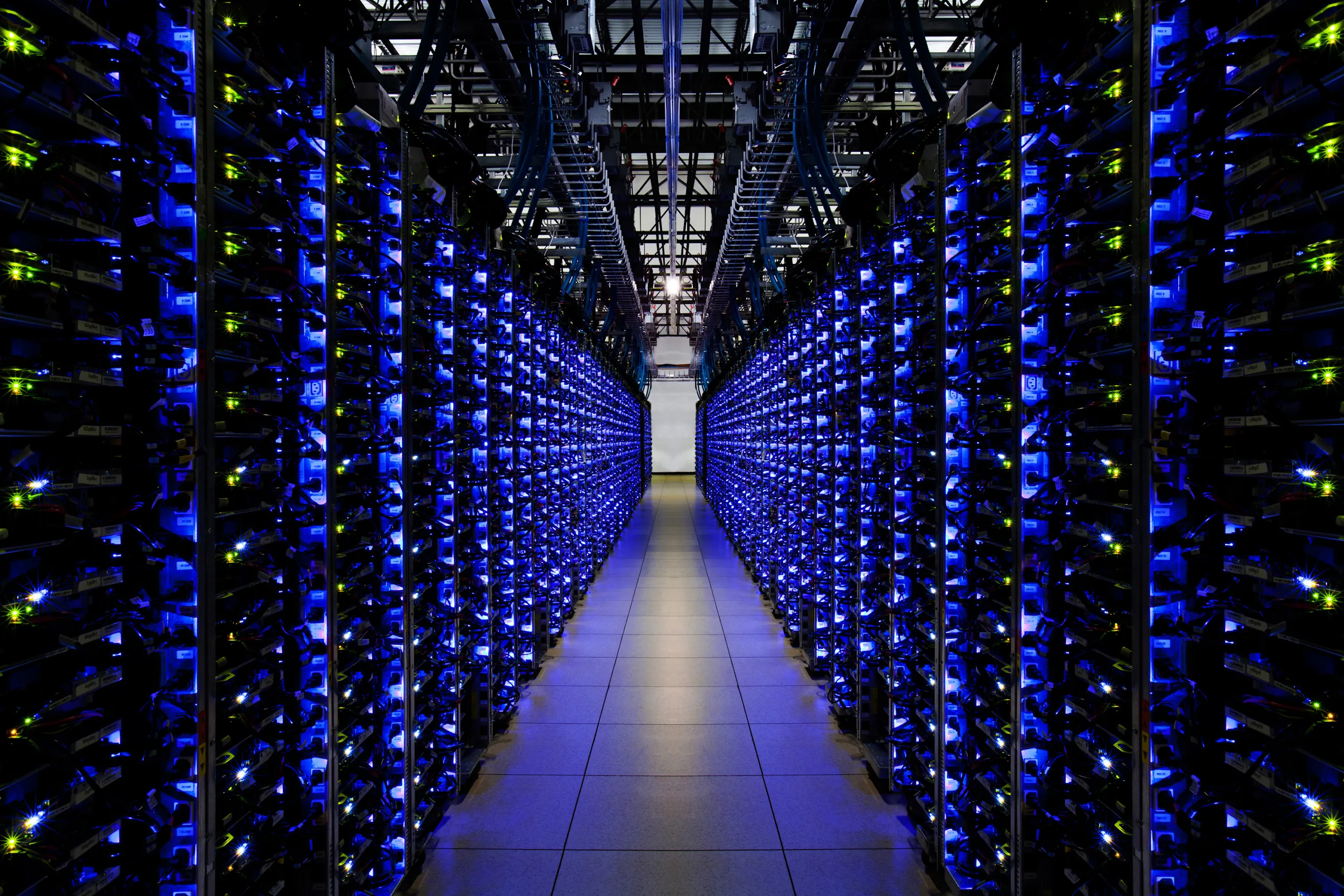
Communities have raised concerns about electricity bills, water use, noise, land consumption, tax incentives and whether promised jobs will justify the public infrastructure required. Some local campaigns have pushed for pauses or tighter rules. The political debate is now part of the investment calculation: a project that looks financially attractive on paper can become more expensive or delayed if residents, regulators or elected officials object.
The shift toward more transparency is significant. If companies share expected electricity demand, water needs, construction schedules, tax arrangements and local benefits early, residents can evaluate a project using concrete information rather than marketing promises. It does not guarantee approval, but it gives communities a better basis for negotiating conditions.
The power question may determine the next phase
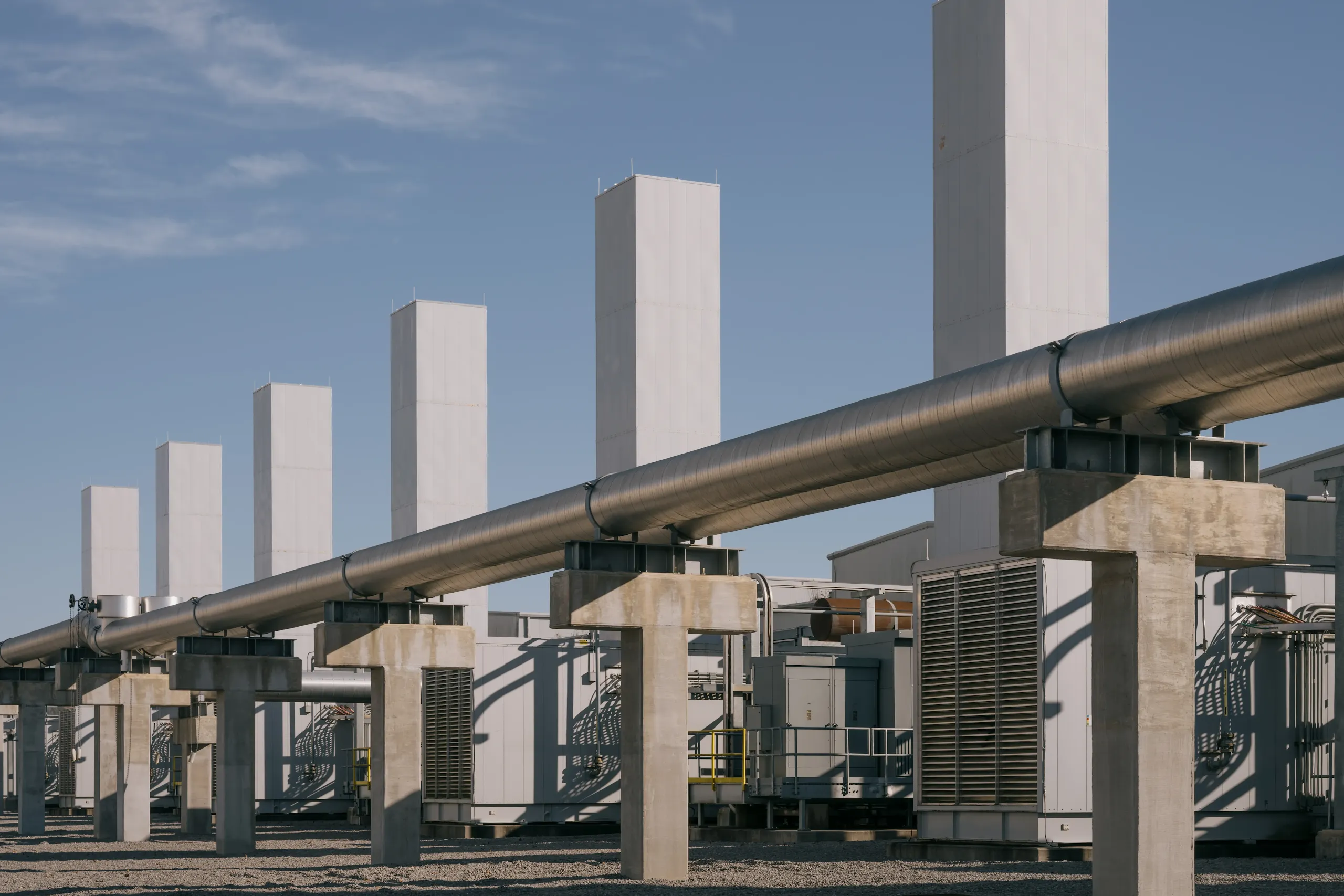
Electricity availability is one of the hardest constraints. Utilities may need to build new transmission lines, substations and generation capacity. That can create a timing mismatch: data-center developers want capacity quickly, while energy infrastructure can take years to plan and construct. In some regions, large new loads may also affect utility planning for households and existing businesses.
The industry is likely to respond through a mix of strategies: locating projects near available generation, signing long-term power agreements, investing in on-site generation or storage, improving cooling efficiency and distributing workloads across multiple regions. Each option has trade-offs involving cost, reliability, emissions and local acceptance.
What this means for consumers and businesses

For consumers, the data-center boom may shape the price and availability of digital services, but the impact on household utility bills will depend on local grid rules, cost allocation and the investments utilities make. For businesses, the central question is whether AI services remain affordable and reliable as infrastructure costs rise. For local governments, the challenge is to balance investment and tax revenue against resource constraints and quality-of-life concerns.
The bottom line


AI’s next growth phase will be determined by more than model performance. The companies that succeed at scale will need power, land, permits, capital and community trust. Google’s Wyoming move and OpenAI’s renewed commitment to U.S. expansion show that investment is continuing, but the era of assuming every data-center project will move forward without resistance is ending. The infrastructure race is now a negotiation with the places expected to host it.
Sources and further reading

- Reuters — Google acquires Wyoming data-center site from Crusoe
- Reuters — OpenAI to press ahead with data-center expansion
- InformationWeek — The week of Nov. 2–6: AI and cybersecurity developments


Leave a Reply