
Artificial intelligence is moving into an unexpected part of everyday life: the dating conversation. For some singles, whether a potential partner works in AI, uses chatbots regularly or relies on automated tools to manage relationships has become a compatibility question. A November 6 report by The Verge describes people in San Francisco encountering anti-AI sentiments in dating profiles and conversations, while others view AI work as an ordinary career choice or even a sign of financial stability.

The debate is not simply about whether someone likes technology. It touches on values, work, privacy, the future of employment, the possibility of artificial general intelligence and whether digital tools are replacing human effort in emotionally important situations. For some people, AI is a practical tool. For others, it represents a social and economic shift they distrust.
Why AI can become a values question

Dating has always involved questions that go beyond hobbies and appearance. People assess political views, religious beliefs, financial habits, career priorities, family plans and attitudes toward technology. AI can now sit inside several of those categories at once. A person who works in AI may be deeply optimistic about the technology; another may worry about job displacement, environmental costs, misinformation or the concentration of power in a small number of companies.
The Verge’s reporting describes people who see AI as a signal about a partner’s broader worldview. Some worry that a partner who is enthusiastic about AI may have different expectations about work, children or the future. Others say they would not reject someone simply because of their job. The point is not that one view is automatically right; it is that technology has become personal enough to affect how people imagine a shared future.
The more uncomfortable issue: outsourcing the dating process
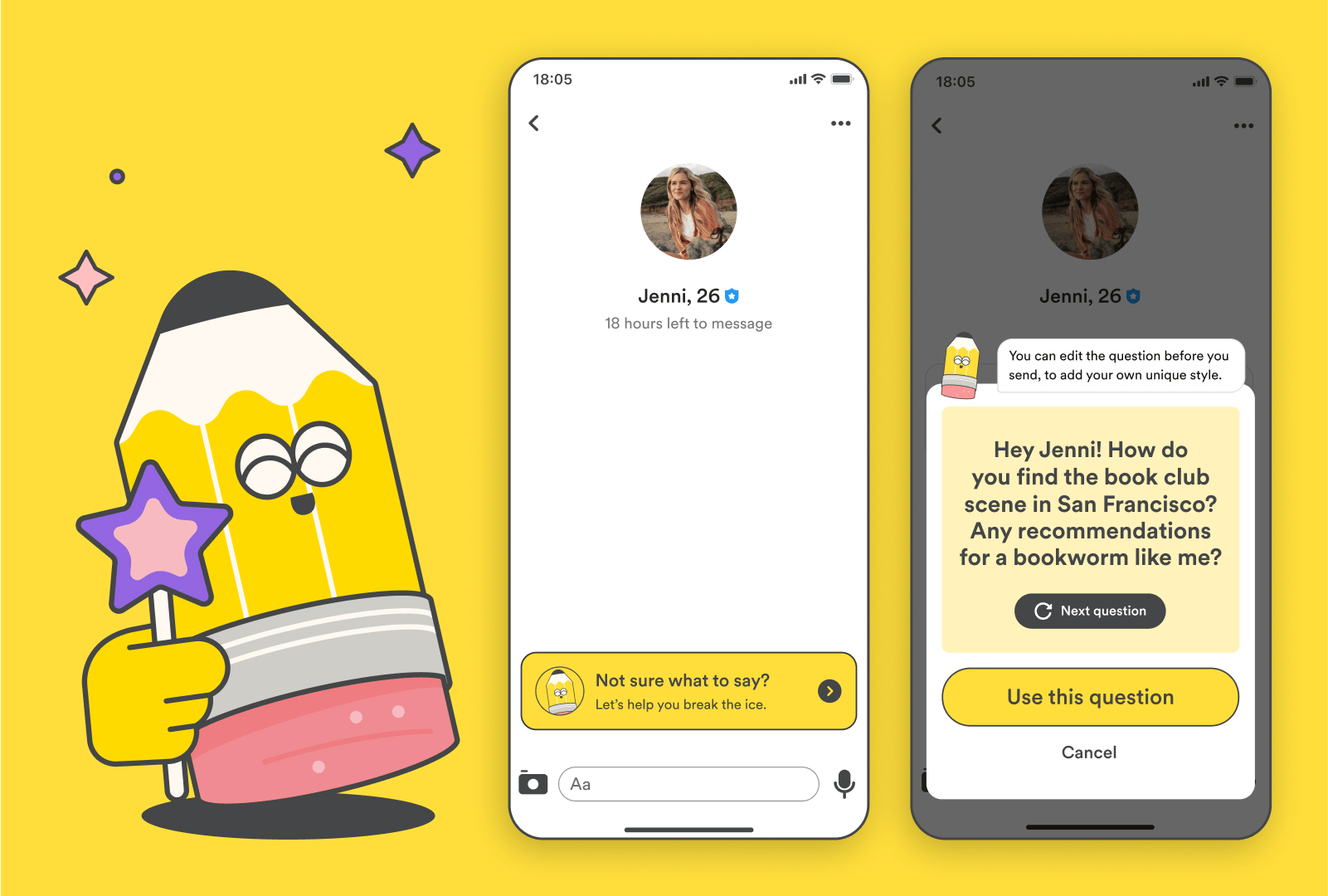
The story also describes people experimenting with AI agents to swipe, message matches and arrange dates. Automation can reduce the time spent on repetitive app tasks, but it raises a basic honesty question: does the other person know who is actually writing the messages? If a profile conversation is being handled by an agent or a virtual assistant, the person on the other side may believe they are building rapport with someone who is not really participating.
There is a meaningful difference between using AI to improve a profile description or brainstorm an opening line and allowing an automated system to impersonate you throughout a conversation. The first can be a writing aid. The second can create a misleading impression about personality, interest and availability. Trust matters even before a first date.
Can AI support emotional life without replacing it?

Some people use chatbots to reflect on feelings, practice difficult conversations or organize thoughts before speaking to a partner. That can be useful when the tool is treated as a private aid rather than an authority. But a chatbot cannot replace the mutual responsibility, empathy and lived experience that make a relationship real. It may generate supportive language without understanding the situation in the human sense.
Couples may also disagree about what information should be shared with AI tools. A person might be comfortable asking a chatbot for general communication tips but not uploading private messages, intimate details or another person’s personal information. Those boundaries deserve an explicit conversation, especially as apps become more integrated with personal data.
A practical way to discuss AI on a date
- Ask what role AI plays in the person’s work and daily life rather than assuming their job defines their beliefs.
- Be clear about whether AI is used to draft messages, make decisions or automate conversations.
- Discuss privacy before sharing another person’s messages or sensitive details with a chatbot.
- Talk about the social issues that matter to each person, including jobs, misinformation, energy use and creative ownership.
- Remember that disagreement about a technology does not automatically mean two people are incompatible.
The bottom line

AI is becoming a dating dealbreaker for some people because it represents more than a new app or workplace skill. It can signal beliefs about labor, privacy, trust and the future. The healthiest response is not to turn every date into a technology debate, but to be honest about how AI is used and what boundaries matter. In a world where software can imitate conversation, genuine human attention may become an even more valuable part of connection.
Sources and further reading



Leave a Reply