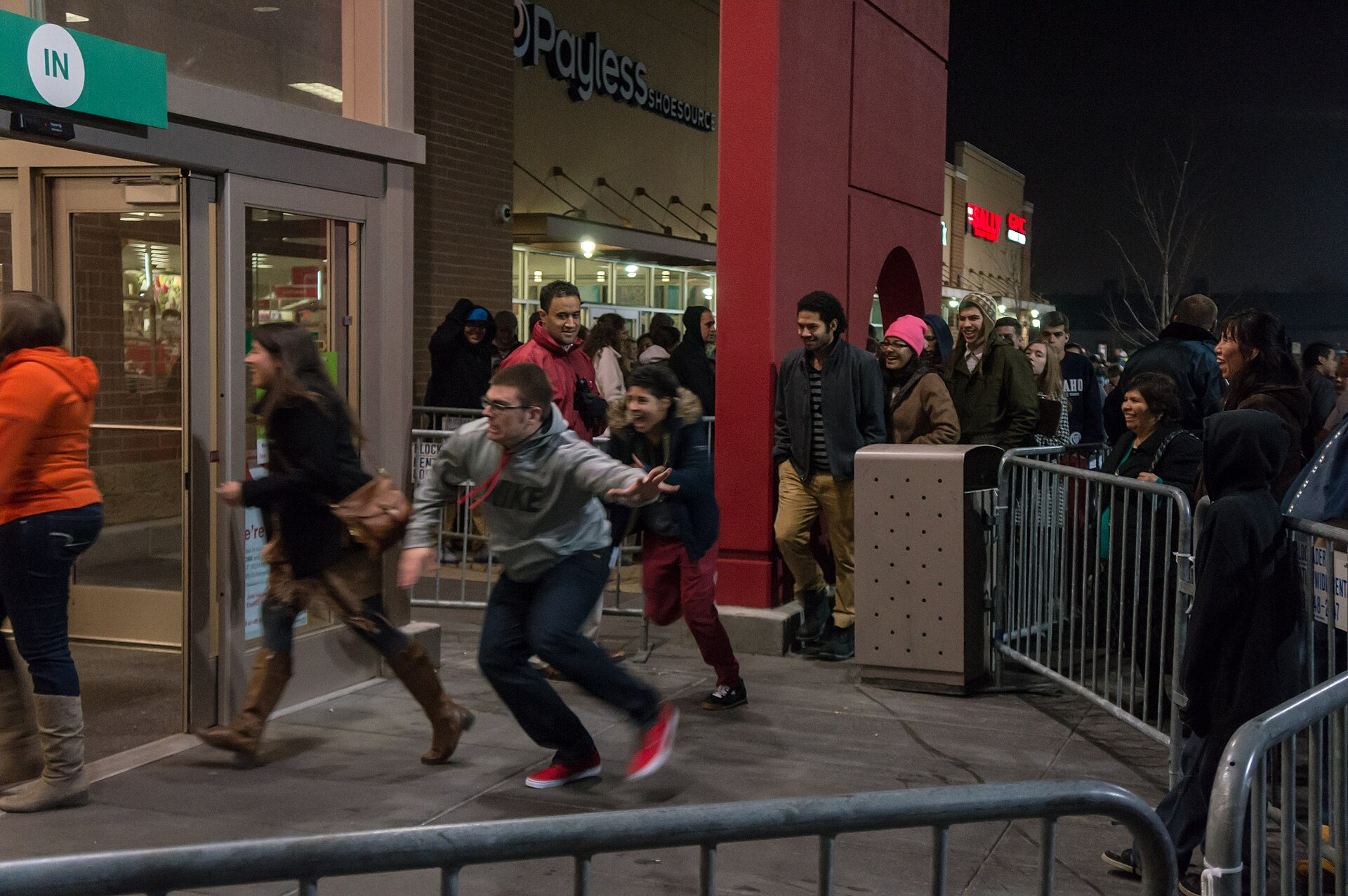

Black Friday 2026 is shaping up to be less about one frantic shopping day and more about a long, carefully managed holiday buying season. The National Retail Federation expects 182.7 million people to shop from Thanksgiving Day through Cyber Monday, slightly below last year’s 186.9 million forecast. At the same time, shoppers are starting earlier, watching budgets more closely and increasingly using AI to compare products and find deals.
That combination creates a more interesting story than a routine list of advertised discounts. Retailers are competing for attention while consumers try to stretch their money across gifts, food, travel and household bills. The data also suggests that shoppers are not abandoning the holiday weekend—they are changing how they approach it.
How many people plan to shop on Black Friday weekend

The NRF’s November 19 survey estimates that 182.7 million consumers plan to shop during the five-day Thanksgiving weekend. Black Friday remains the most popular day: 126 million people, or 69% of holiday-weekend shoppers, say they expect to shop then. Cyber Monday is next, with 66.1 million expected shoppers, or 36%. The NRF survey asked 7,956 adults between October 30 and November 9 and reports a margin of error of plus or minus 1.1 percentage points.
The slight year-over-year decline does not necessarily mean fewer people are interested in deals. The NRF says 60% of consumers had started holiday shopping by the beginning of November, compared with 56% before the pandemic. Some purchases that once happened on Black Friday have moved earlier, spreading spending across a longer period.
A separate ICSC survey offers another view of the same season. It estimates that 88% of Americans plan to shop during the five-day period and projects $124 billion in spending. Those figures come from a different survey of 1,007 U.S. adults conducted November 9–11. Because the organizations use different samples and questions, their estimates should be read as separate indicators rather than combined into one total.
Why shoppers are turning to AI—and watching every dollar

One of the clearest shifts in the NRF data is the role of AI. Fifty-nine percent of Thanksgiving-weekend shoppers say they plan to use AI to support their holiday shopping. The most common intended uses include product recommendations, brainstorming gift ideas, organizing gift lists, tracking budgets and comparing prices across retailers.
That does not mean most shoppers are handing over their credit cards to autonomous agents. The ICSC survey found that shoppers are more interested in using AI as a research assistant than as a checkout service: 31% plan to use it to compare prices, 23% to research products and features, and 19% to find availability or promotions. Only 9% said they plan to use AI to complete purchases for them.
The financial pressure behind those choices is visible elsewhere in the NRF survey. Eighty-two percent say they are taking steps to manage holiday costs. Some plan to buy less expensive gifts, cut back in other spending categories, buy for fewer people or wait until the Thanksgiving weekend to make most purchases. Gift cards are also losing some ground: 39% plan to give them, down from 43% last year and the lowest share in the survey’s more than 20-year history. For another measure of holiday household costs, see our breakdown of the 2026 Thanksgiving dinner estimate.
For shoppers, AI can be useful—but it can also return outdated prices, sponsored recommendations or product listings that look similar without being identical. Verify the seller, model number, shipping date, return policy and final checkout price before buying. A chatbot’s answer is a starting point for research, not proof that a deal is genuine.
What shoppers should do before the biggest deal days

A good holiday-shopping plan starts with the item and the price—not the percentage discount in a banner. Retailers can use different reference prices, bundle offers and limited-time labels, so a large markdown does not automatically mean the final price is the best available.
- Write down the exact product. Record the model number, size, storage capacity or other specifications so you do not compare different versions by mistake.
- Check the price history where possible. Compare the current price with recent prices from the same retailer and at least one competing seller.
- Calculate the full cost. Add shipping, taxes, required accessories, subscriptions and any delivery or installation charges.
- Read the return rules. Holiday purchases may have special deadlines, restocking fees or exclusions, particularly for electronics and opened products.
- Use AI to narrow the search, then verify. Confirm every recommendation on the retailer’s product page before purchasing.
- Protect payment information. Avoid unfamiliar links in texts or social posts, and use a trusted retailer’s website or app.
The weekend can still offer real savings, especially on products with predictable seasonal discounts. But shoppers who buy simply because a countdown timer is running may spend more than planned. The NRF’s figures show that a large share of households are deliberately budgeting, which makes price comparison and purchase discipline more important than chasing every promotion.
The numbers also matter for retailers. A smaller forecast audience than last year’s estimate, combined with earlier shopping and more price comparison, means stores have to earn the purchase rather than rely on a single-day rush. The winners may be retailers that offer transparent prices, reliable inventory and easy returns—not just the loudest discounts.
Bottom line:

Black Friday 2026 is still expected to draw a huge audience, but the shopping pattern is changing. Millions have started early, many plan to use AI for research, and most say they are taking steps to control costs. For consumers, the best strategy is to compare exact products, verify sellers and decide what is worth buying before the sale pressure begins.
Sources:

National Retail Federation: 183 Million Consumers Expected to Shop During Thanksgiving Weekend; ICSC: Thanksgiving Weekend 2026 Spending and AI Shopping Survey.
Survey figures are estimates based on separate samples and methodologies. They are not final retail sales totals.


Leave a Reply
You must be logged in to post a comment.