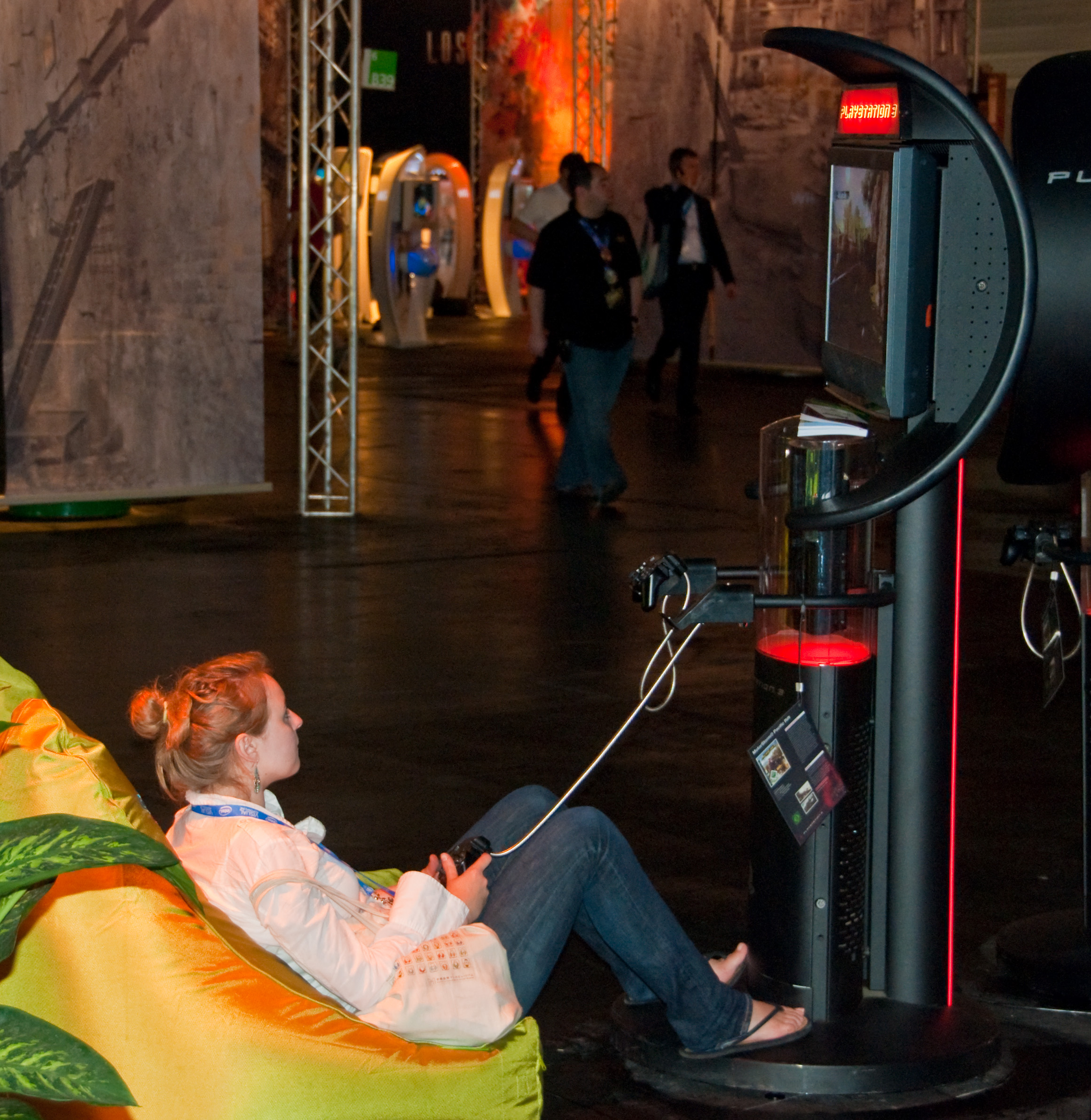
Gaming disorder screening is missing women — and a new University of Geneva study published in European Psychiatry explains why. The women in the study played video games for at least 10 hours a week, often to cope with anxiety and stress, but they did not see themselves as “gamers,” favoured story-driven games over competitive ones, and scored poorly on screening tools built around conflict and competition. As a result, their gaming problems are usually only spotted when they seek help for something else entirely.
The study: seven women, one blind spot
“A qualitative exploration of women’s experiences, stigma, and access to care in gaming disorder,” European Psychiatry (2026), DOI 10.1192/j.eurpsy.2026.12231. Lead author Cátia Martins Castro, WHO Collaborating Centre for Mental Health Research and Training; the team was led by Sophia Achab, senior lecturer in psychiatry at the University of Geneva, deputy division head at Geneva University Hospitals Addiction Service, and director of the WHO Collaborating Centre. University press release: October 12, 2026. Method: semi-structured interviews with seven participants identifying as women (six cisgender, one transgender), ages 21–26, in France and Switzerland. All played at least 10 hours a week and reported no mental health conditions. State plainly: this is a small qualitative study — seven interviews. Its strength is depth, not scale; it identifies a pattern and a mechanism, not how widespread the screening gap is.
Women who game but don’t call themselves gamers
Participants generally did NOT identify as gamers — they had internalised a cultural image of “the gamer” as someone who plays competitive games, often online. Instead they favoured narrative-driven and immersive games — RPGs, simulation games, puzzle games. Despite different genre preferences, participants reported periods of excessive gaming. Games served as a coping mechanism for anxiety, stress or emotional distress — an escape, a way to switch off — and researchers note this coping strategy can itself contribute to developing gaming disorder.

Why the screening tools miss them
Quote from lead author Cátia Martins Castro: “Current screening tools focus on social conflict and competition — the ‘masculine’ dimensions of gaming — while overlooking emotional regulation. This can make it harder for women to recognise that their gaming may be problematic.” Consequence: gaming disorder is often identified only when women seek help for another issue. Context: gaming disorder is recognised by the WHO in ICD-11 as a behavioural addiction; global prevalence estimates are 1–3%. Research has overwhelmingly focused on young male populations; diagnostic tools such as the Internet Gaming Disorder Scale–Short-Form (IGDS9-SF) may not adequately capture women’s symptoms. The study calls for women-centred diagnostic tools, clinical approaches, targeted awareness campaigns, and flexible support systems.
The barriers that keep women from getting help
None of the seven participants had sought professional care for gaming disorder, citing gendered stereotypes and diagnostic biases. Barriers: fear of being judged by therapists (seen as “lazy” or “immature”); perception that self-help groups and support services are largely male-centred. Participants also described sexist treatment while gaming online — derogatory comments, exclusion, belittling language — a “double sexism”: stigmatised as gamers in a male-dominated culture and excluded from mainstream discussions of gaming disorder.

The GTA 6 connection: Lucia and the women gamers the industry just found
This study lands the same year GTA 6 put a woman, Lucia, front and centre — and the site’s own earlier reporting found 59% of women gamers are playing GTA 6, and 4 in 10 launch players are women (figures as reported there). GTA 6 is exactly the kind of narrative-driven, immersive game the Geneva study says women favour — story, character, world — not ranked competitive play. The screening blind spot and the audience surprise are the same story: women gamers were always there; the industry’s picture of a “gamer” just didn’t include them. Do NOT claim the study is about GTA 6. It is not. The GTA 6 angle is context.
What should change
- Screening questions that ask about emotional coping, social immersion and loss of control across game types, not just conflict, rank-chasing and competitive sessions.
- Clinician awareness that hours in a cosy simulation or story RPG can be compulsive too.
- More inclusive, longer-term studies tracking female players over time.
More from The Immortal Times: GTA 6 PC release date | GTA 6 reviews: Metacritic 99, user score split
Bottom line: A small but revealing Geneva study shows gaming disorder screening was built around how men play — competition and conflict — and misses women who play story-driven games to cope with stress. The fix is screening that asks about emotional coping, not just rank-chasing.
Sources: University of Geneva press release, October 12, 2026; Medical Xpress, October 2026; Martins Castro et al., European Psychiatry (2026), DOI 10.1192/j.eurpsy.2026.12231; UNIGE Archive ouverte; Patient Daily.
Don’t stop here. Explore more stories from The Immortal Times.





Leave a Reply
You must be logged in to post a comment.