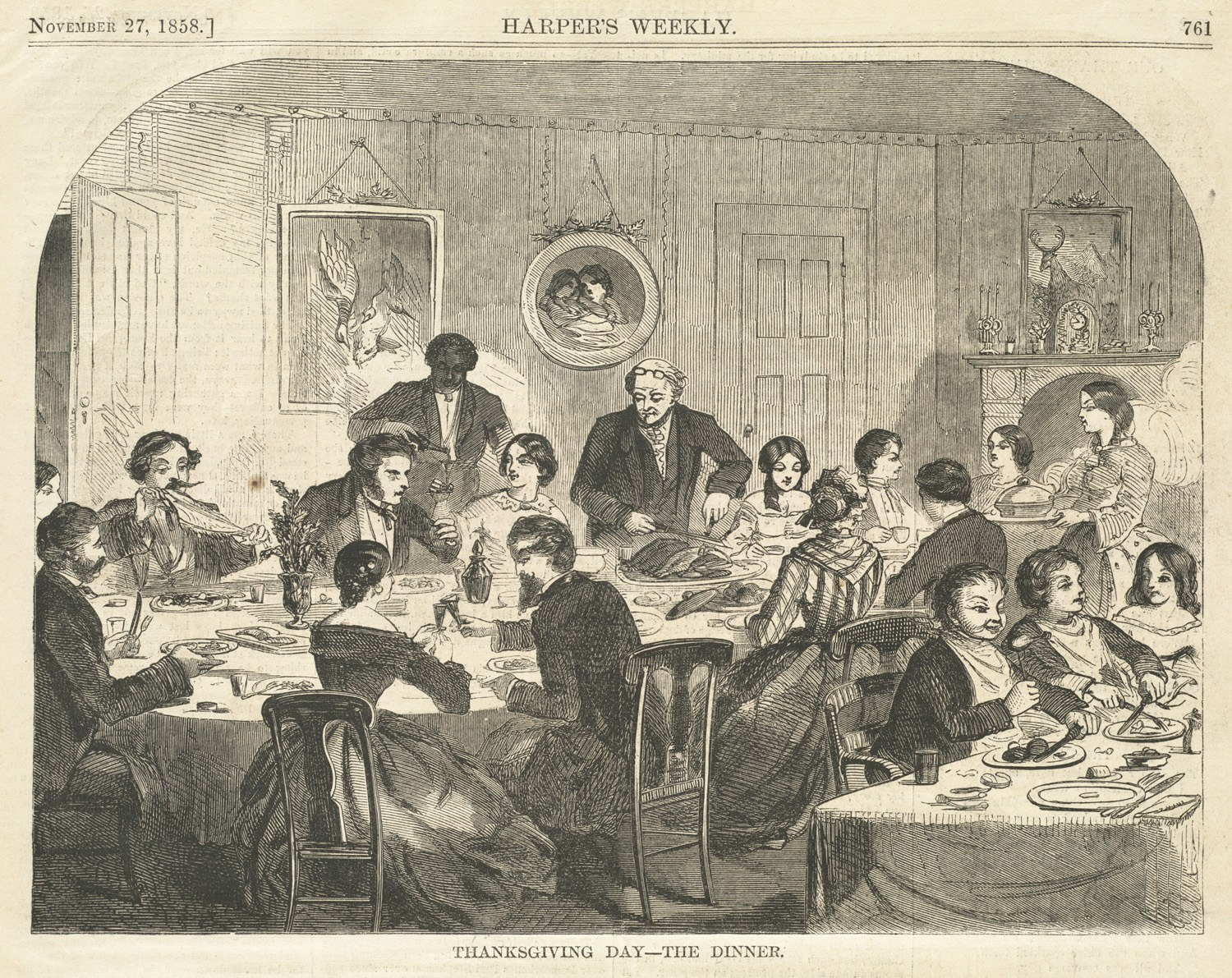
The largest gratitude study ever run just delivered an awkward verdict: the gratitude practice almost everyone recommends — writing a list of things you’re thankful for — performed worst. Scientists tested six brief gratitude practices on 10,696 people across 34 countries, and the winners were the ones that involve another person: texting someone a thank-you, or writing them a letter.
The Study in Numbers

The study, led by Nicholas Coles of the University of Florida and Michael McCullough of UC San Diego, with Hongbo Yu of UC Santa Barbara, was published in the Proceedings of the National Academy of Sciences (PNAS) in May 2026. Its scale is what makes it hard to ignore.
| Item | Figure |
|---|---|
| Participants | 10,696 |
| Countries | 34 |
| Gratitude practices tested | 6 |
| Control tasks | 3 |
| Lead researchers | Nicholas Coles, Michael McCullough, Hongbo Yu |
| Published | PNAS, May 2026 |
Each participant did one brief gratitude practice — or one of three control tasks — and researchers measured the change right after: positive affect, negative affect, optimism, life satisfaction, envy, and feelings of indebtedness. Across all six practices combined, gratitude moved the needle: positive affect rose (effect size d=0.37), negative affect fell (d=-0.22), optimism rose (d=0.24), life satisfaction ticked up (d=0.12), feelings of indebtedness rose (d=0.15), and envy fell (d=-0.16). But the averages hide the real story — the six practices were not even close to equal.
The 6 Practices, Ranked

Here is how the six practices finished, best to worst:
- Gratitude text — texting someone a thank-you (n=1,103). The winner. Send a real thank-you message to a real person.
- Gratitude letter — writing a letter to someone you’re extremely grateful for (n=1,145). The close second. A longer, deeper version of the same idea.
- Naikan reflection — listing up to 3 things and asking three questions (n=1,203). “What did I receive? What did I give? What more could I do?” A structured Japanese self-reflection practice.
- Divine gratitude — reflecting on how God or a higher power benefited you (n=1,159). Gratitude directed upward, toward the sacred.
- Mental subtraction — imagining life without something you’re grateful for (n=1,176). Picture your life if that person, or that thing, had never been in it.
- Gratitude list — writing 5 things you’re grateful for (n=1,238). Last place. The method on every wellness poster, in every journal app, in every morning-routine video — dead last.
The pattern is hard to miss: the top two practices are the only ones that reach another human being. The list is the only one that stays entirely inside your own head.
Why the List Loses and the Text Wins

A gratitude list is private, quick, and easy — and that is exactly the problem. Writing “family, health, coffee” for the hundredth time costs nothing, risks nothing, and connects you to nobody. It becomes a habit, and habits stop registering. Psychologists call this hedonic adaptation: the tenth time you list the same blessing, your brain barely notices it. A text or a letter is different in three ways. First, it is specific — you have to name a person and a thing they did, which forces you to actually remember the moment. Second, it is social — gratitude is, at its root, a relationship emotion, and directing it at someone activates the connection it evolved for. Third, it has stakes — sending it means being seen being grateful, which makes the feeling real in a way a private list never does. And the other person usually writes back, which turns one moment of gratitude into a conversation. Mental subtraction finished near the bottom for a related reason: imagining loss is powerful in theory, but in a single short session it is abstract and uncomfortable — hard to do well in two minutes. Naikan reflection did better because its three questions force specificity, and divine gratitude worked for those who hold that belief, because it connects the feeling to something larger than the self.
The Country Gap: Culture Matters

The study’s most surprising finding may be how uneven the results were around the world. The effects were strongest in Mexico, close to zero in Norway, and China came in last. The same practice, the same instructions, wildly different results depending on where you live. That gap is a reminder that gratitude is not a universal button you press — it is a cultural practice. In some cultures, expressing thanks is woven into daily life and lands easily; in others, it can feel awkward, formal, or even like an admission of debt. The study’s authors measured indebtedness for exactly this reason — gratitude and owing someone are close cousins, and in some places the second feeling may cancel out the first. The takeaway is not that gratitude “doesn’t work” in some countries, but that how it works depends on what thankfulness means where you are.
How to Try the Winner This Thanksgiving

Thanksgiving week is the perfect time to test this, and the winning version takes about two minutes:
- Pick one person — not a category, a name; someone who did something specific for you this year.
- Name the thing — one sentence about what they did and what it meant; “You stayed on the phone with me that night in March” beats “thanks for everything.”
- Send it — a text is enough; the study’s top performer was literally a text message. If you want the full effect, write it as a short letter instead.
- Do it before dinner, not after — send it while the day is still ahead of you, so the reply becomes part of the holiday instead of an afterthought.
Skip the list this year — or at least, don’t make it the whole practice. If you love your gratitude journal, keep it, but add one text to one person. That is the part the science says actually moves how you feel. And if the holiday brings family tension instead of warmth, you’re not alone: 82% of singles admitted lying to their families about their relationship status at Thanksgiving — a text of real thanks to one honest person may be the most genuine moment of the day.
The Honest Fine Print

Before you throw out your gratitude journal, read the caveats — the researchers would want you to. The effects in this study were small: the biggest, on positive affect, was d=0.37, which is real but modest, and the lift in life satisfaction (d=0.12) was tiny. And every outcome was measured immediately after a single session. The study tells us what one gratitude exercise does in the moment — it says little about whether doing it daily for a month changes your life. It also tested brief, one-off practices, not the routines people actually build over time. A list done once may underperform; a list done every morning for a year might work differently — the study simply doesn’t answer that. And the country gap is a warning against universal advice: what works best on average may not work best for you, in your culture, in your relationships. None of that makes the finding useless. It makes it specific: if you have two minutes and one shot, don’t list — reach out. For everything else happening this week, the Dancing With the Stars Season 35 finale is the other big night on the calendar.
Bottom line: In the largest gratitude study ever — 10,696 people in 34 countries, published in PNAS in May 2026 — texting someone a thank-you and writing a gratitude letter worked best, followed by Naikan reflection and divine gratitude, then mental subtraction, with the popular gratitude list dead last. The effects were small and measured right after one session, so treat this as a guide for the next two minutes, not a life overhaul — and this Thanksgiving, send the text.
Sources
Coles et al., Proceedings of the National Academy of Sciences (PNAS), May 2026 — pnas.org; 82% of Singles Lied to Family About Relationship Status at Thanksgiving — The Immortal Times
Reporting status checked November 24, 2026 — all figures in this article reflect the published PNAS study as reported; effects were measured immediately after a single session, so the study says little about long-term change.
Don’t stop here. Explore more stories from The Immortal Times.



Leave a Reply
You must be logged in to post a comment.