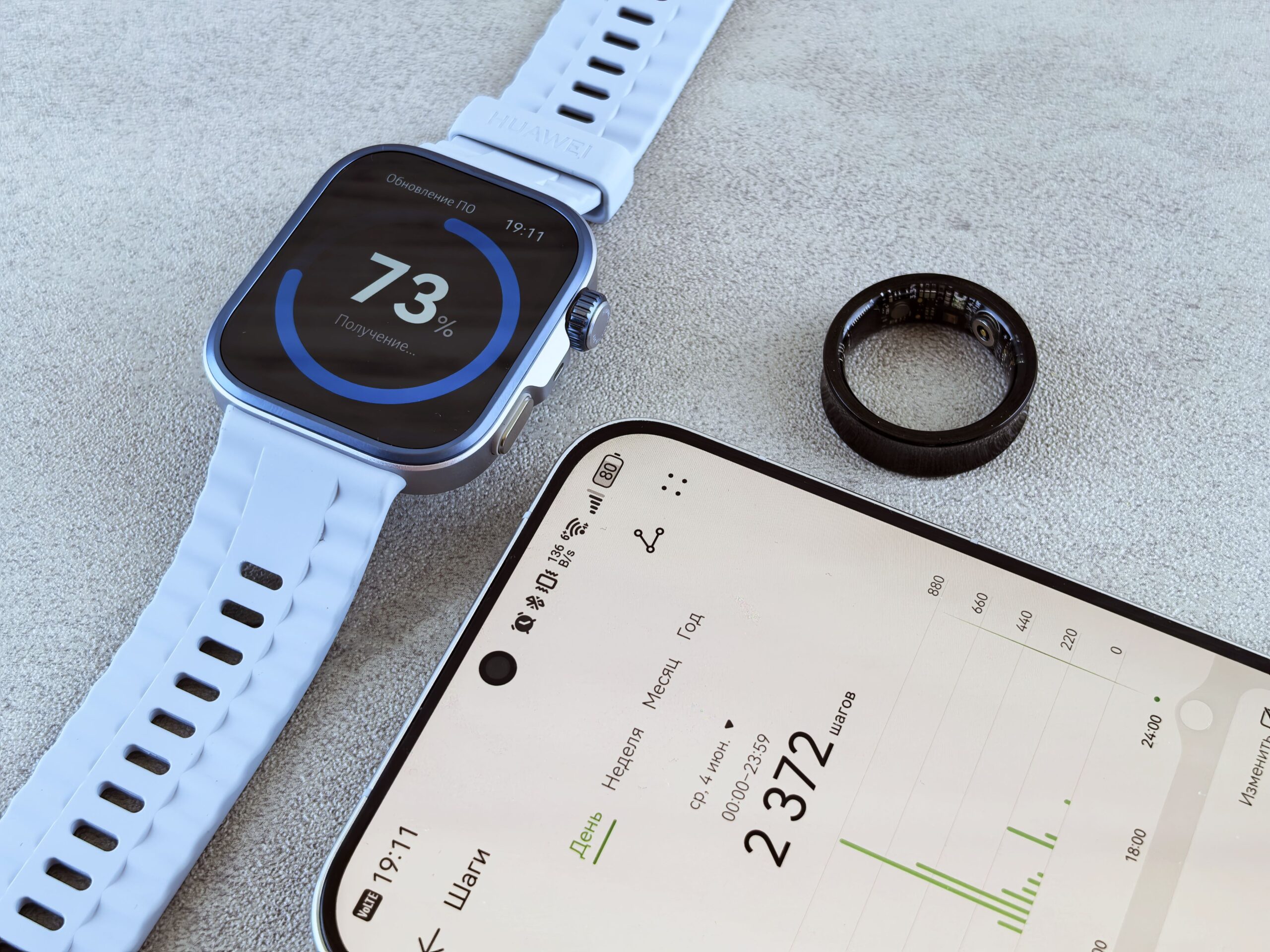
Smart rings promise many of the everyday tracking features found in fitness watches, but in a smaller form that can be worn around the clock. Depending on the model, a ring may estimate sleep patterns, heart rate, activity, skin temperature trends and recovery-related metrics. The convenience is appealing, but a smart ring is not a medical diagnosis tool, and the differences between products matter more than the marketing language.
What does a smart ring track?
Most smart rings combine optical sensors, motion sensors and temperature-related measurements. The companion app uses those signals to estimate metrics such as resting heart rate, sleep duration, activity and changes in overnight patterns. Some models offer cycle-related estimates or stress and recovery scores, depending on the device and software.
These numbers are estimates derived from sensors and algorithms. They can be useful for noticing patterns over time, such as a change in resting heart rate or a shorter sleep schedule, but they should not be treated as definitive measurements of every health condition.
Smart ring vs. smartwatch
A ring is smaller and may be more comfortable for people who dislike wearing a watch to bed. It can also be less visually intrusive. A smartwatch usually offers a screen, notifications, workout controls, GPS features and more direct interaction. Some rings do not include a display or built-in GPS, relying instead on a phone for additional information.
Think about what you want to do. If your priority is passive sleep and wellness tracking, a ring may fit your habits. If you want to see pace, maps, messages or workout data while exercising, a watch may be more practical.
Accuracy: useful trends, not medical certainty
Wearable sensors can be affected by fit, movement, skin characteristics, temperature, battery level and the way a device is worn. Sleep stages and readiness scores are algorithmic estimates, not the same thing as a clinical sleep study. A ring’s temperature trend is not automatically a diagnosis of illness, and a heart-rate reading should not replace medical evaluation when symptoms occur.
Use the device as a personal trend tool. If it repeatedly reports unusual readings, consider whether the ring fits correctly and whether the trend matches how you feel. If you have symptoms or concerns, speak with a healthcare professional rather than relying on the app to decide whether you need care.
Check the subscription and full ownership cost

Some smart rings require a paid membership to unlock detailed insights, historical data or advanced app features. Others include more functionality in the purchase price. Compare the device price with the cost of any required monthly or annual subscription over the time you expect to own it.
Also check battery life, charging method, water resistance, warranty, return window and replacement policies. A ring is sized differently from ordinary jewelry, and finger size can change with temperature and time of day. Use the manufacturer’s sizing kit or instructions rather than guessing from a regular ring size.
Compatibility and privacy deserve attention
Before buying, confirm that the ring works with your phone’s operating system and that its app supports the features you want. Check whether it integrates with Apple Health, Google Health Connect or other services you already use, and whether that integration is available in your region.
Health and activity data can be sensitive. Read the privacy policy to understand what information the company collects, how long it retains data, whether it shares information with third parties and how you can delete or export your records. Review app permissions and avoid granting access that is not needed for the features you use.
Who may benefit from a smart ring?
A smart ring may appeal to someone who wants low-profile tracking and is comfortable reviewing information in a phone app. It may be less suitable for someone who wants live workout metrics, a screen, built-in navigation or detailed coaching during exercise. People who work with their hands, lift weights or handle equipment may also find a ring uncomfortable or impractical during certain activities.
A smart-ring buying checklist
- Confirm phone compatibility and required app features.
- Check whether a subscription is needed for full functionality.
- Use the manufacturer’s sizing process before ordering.
- Compare battery life, charging time and water-resistance terms.
- Review return, warranty and replacement policies.
- Understand the privacy policy and health-data sharing settings.
- Decide whether you want passive tracking or real-time workout tools.
The bottom line
Smart rings can make it easier to follow sleep and activity patterns without wearing a watch, but they are not interchangeable with clinical testing or medical advice. Choose based on comfort, compatibility, total cost, privacy and the metrics you will actually use. The most useful wearable is the one that fits your routine without making you obsess over every number.
Related reading: How to Read a Tech Review; How to Organize Your Digital Life.
Sources: U.S. Food and Drug Administration: Medical devices; Oura: Product and feature documentation; Federal Trade Commission: Privacy and data security guidance.



Leave a Reply