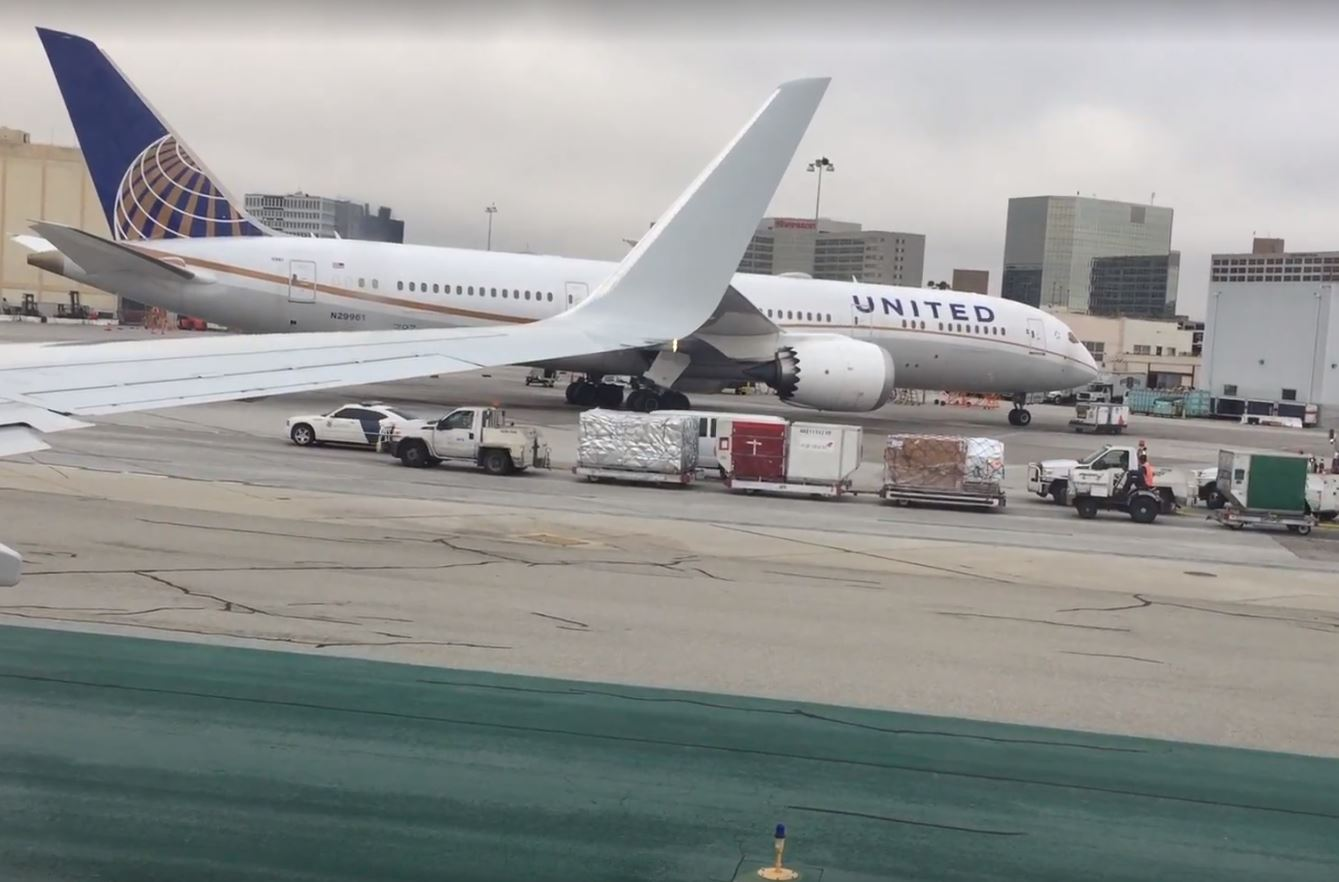

Thanksgiving travel is heading into a week when weather could complicate plans across more than one part of the country. The latest forecast points to rain, wind and mountain snow affecting parts of the East and West, with the potential for delays at major airports and slower road conditions. The exact storm track is still developing, so this is a risk outlook—not a prediction that every airport or highway will be disrupted.
The timing matters because AAA expects about 81.5 million Americans to travel at least 50 miles from home between Tuesday, November 24, and Monday, November 30. That is close to last year’s volume, even as travelers face higher costs and lingering concern after the November 13 nationwide FAA ground stop. Our earlier FAA ground-stop report explains why an operational disruption can take time to clear even after the original restriction ends.
Where Thanksgiving travel weather could cause the biggest problems

The Weather Channel’s November 21 outlook identifies several areas to watch. A coastal low is bringing rain to parts of Florida, Georgia and the Carolinas this weekend. By Sunday, rain and gusty winds are expected to spread north along the mid-Atlantic and Northeast, potentially affecting major hubs later in the day. The Midwest and Central Plains may see scattered showers and thunderstorms, while the West Coast faces another system bringing lower-elevation rain and mountain snow.
The forecast becomes more consequential closer to Thanksgiving. Current model guidance suggests a possible storm developing in the Southeast on Wednesday, November 25, then moving toward the mid-Atlantic. A separate Pacific system could bring wet and windy weather from northern California into Oregon and Washington. On Thanksgiving Day, the East Coast system could affect the Northeast with rain and wind; some inland higher elevations could see wet snow if enough cold air is available. Forecasters stress that the details are not settled.
For Texas and the Gulf Coast, AccuWeather is also watching a separate round of rain and thunderstorms Monday into Tuesday. That is a regional forecast signal, not a guarantee of severe weather in every city. Travelers should check the latest local forecast before driving, especially if their route crosses several states.
The busiest travel days and what the numbers say

AAA’s forecast estimates 72.9 million people will travel by car and 5.96 million will take domestic flights during the holiday period. Another 2.6 million are expected to travel by bus, train or cruise ship. The numbers are forecasts, not final counts, but they show why even a regional weather problem can affect people far beyond the immediate area.
AAA’s best and worst driving windows are useful planning benchmarks. On Tuesday, November 24, the heaviest traffic is expected from 2 p.m. to 8 p.m., while travel before 1 p.m. is expected to be better. On Wednesday, November 25, the worst window is noon to 7 p.m., with before noon the better option. AAA expects minimal traffic on Thanksgiving Day itself. For the return trip, the busiest windows are forecast for Friday afternoon, Saturday midday through evening, Sunday midday through evening and Monday afternoon.
Those road estimates should not be confused with airport delay forecasts. A flight can be affected by weather at its destination, the airport where its aircraft is coming from, or a hub used earlier in the same day’s schedule. That is why a traveler departing from a clear-sky city can still face a delay if a connecting airport is experiencing storms.
How to protect your plans if storms affect flights or roads

The most useful move is to make decisions from live information rather than a forecast headline. Weather models can shift, and airline schedules can change quickly when a storm affects a major hub. A little preparation gives travelers more options if the original plan stops working.
- Check the exact flight. Use the airline app or website for the operating carrier’s status, not just a general airport departure board.
- Build extra time into connections. A tight connection is more vulnerable when thunderstorms, low visibility or de-icing slow one part of the network.
- Consider earlier departures. When practical, an earlier flight can leave more same-day options if later weather causes a cancellation or delay.
- Keep essential items with you. Medication, chargers, identification, a change of clothes and important documents should be in a carry-on when possible.
- Check road conditions before leaving. Rain, ponding water and reduced visibility can make a route slower even when no formal closure is reported.
- Save receipts and messages. Keep records of rebooking notices and extra expenses, then review the airline’s policy and applicable refund rules.
Travelers should also remember that weather-related delays and airline-caused cancellations are not identical situations. If a carrier cancels a flight and a passenger chooses not to travel, federal rules generally require a refund for the unused ticket; reimbursement for hotels, meals or other costs depends on the circumstances and the airline’s commitments. Do not assume a travel credit is the only option—check the Department of Transportation’s current consumer guidance and the airline’s written policy.
Bottom line:

Thanksgiving 2026 travel is not facing one confirmed nationwide storm, but several regional systems could create problems at different points in the holiday week. The East Coast, Southeast, Pacific Northwest and parts of the West deserve close attention as forecasts sharpen. With 81.5 million people expected to travel, checking conditions repeatedly and keeping a backup plan may matter more than trying to predict one perfect departure day.
Sources:

The Weather Channel: Thanksgiving week storms on both coasts; AAA: Thanksgiving 2026 travel forecast and best/worst driving times; AccuWeather: Storms could slow Thanksgiving travel; U.S. Department of Transportation: Airline consumer protection.
Forecasts can change. This report reflects information available November 21, 2026; check official weather, road and airline updates before departure.





Leave a Reply
You must be logged in to post a comment.