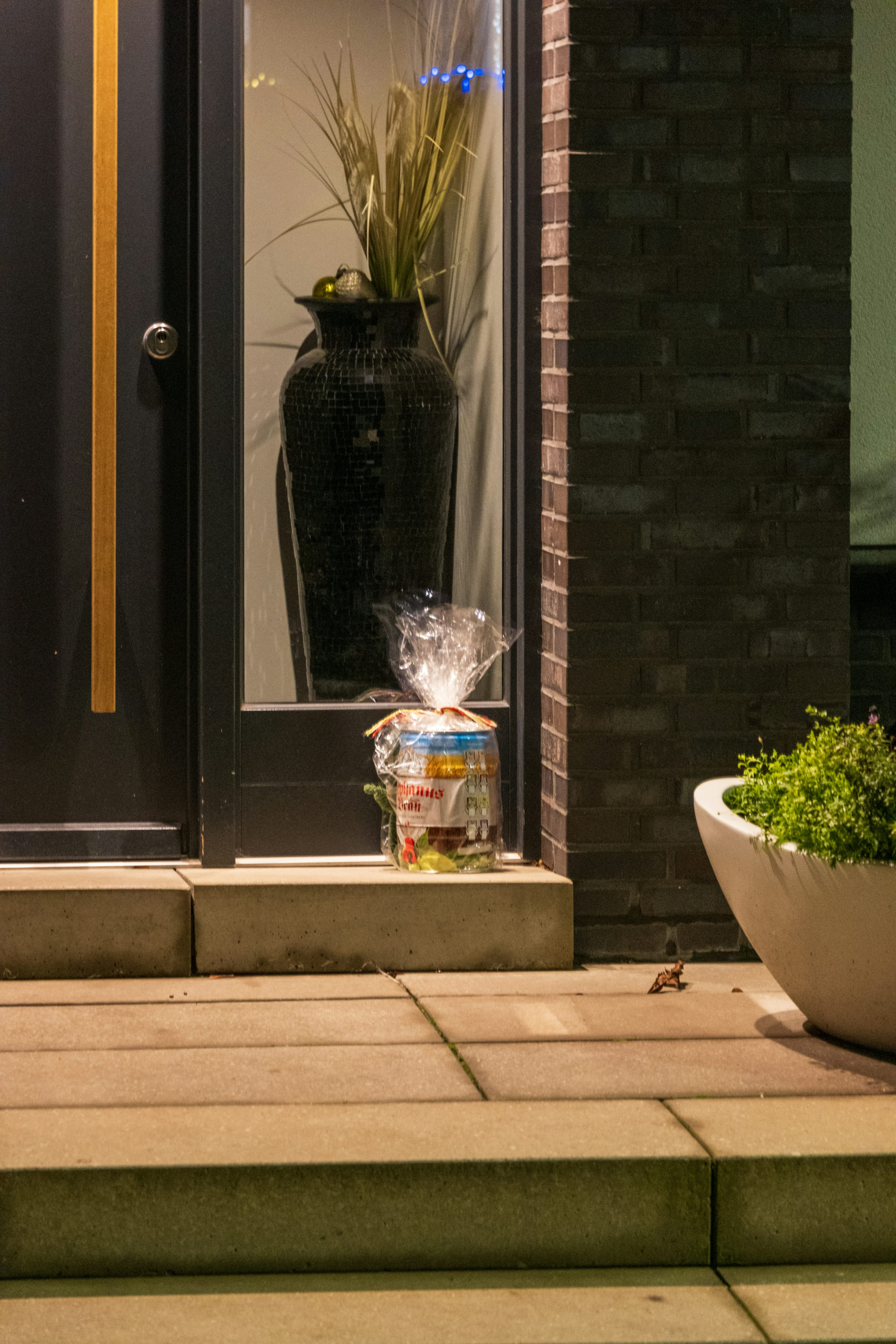

A message claiming that a package is stuck because of an incomplete address can look convincing when holiday deliveries are arriving every day. But a text that asks you to click an unfamiliar link, pay a small redelivery fee or enter personal information may be a package-delivery scam known as smishing—phishing carried out through text messages.
The risk is especially relevant during the holiday shopping season, when people expect shipping updates from multiple retailers and carriers. AARP’s 2026 holiday fraud research found that 47% of U.S. adults had received a fraudulent text about a package. The same research said 84% had been targeted by at least one common form of fraud.
How to recognize a fake USPS delivery text

The most common trick is an unexpected message claiming that a delivery cannot be completed until the recipient confirms an address, pays postage or schedules another attempt. The sender may use the Postal Service’s name, a tracking-style number or urgent wording to make the message feel official. The link may lead to a page designed to collect a name, address, payment-card details or account credentials.
The U.S. Postal Inspection Service gives a clear rule: if you did not initiate a USPS tracking request for a specific package and the message contains a link, do not click it. USPS says it does not send unsolicited text messages or emails about packages without a customer first requesting the service with a tracking number, and its tracking messages will not contain a link. If you are unsure whether a parcel is real, open USPS.com yourself or use the official app rather than the message link.
Be cautious of messages that ask you to reply with a letter, reopen a link, pay a small fee or act within a short deadline. A professional-looking logo or familiar company name does not prove the sender is legitimate. Scammers can copy logos and create web addresses that look similar to real carrier sites.
What to do if you receive the message or already clicked

If the text is unexpected, do not click the link, reply to the sender or enter information. You can forward the message to 7726 (SPAM) to help your mobile carrier identify the number. The Postal Inspection Service also asks people to email USPS-related smishing reports to spam@uspis.gov. Include the message text and a screenshot showing the sender’s number and the date, without opening the suspicious link.
If you already opened the link, the next step depends on what happened. If you entered payment-card or bank details, contact the financial institution promptly using the number on the card or its official website. If you entered a password, change it on the real service and update it anywhere else you reused it. If you downloaded an app or file, remove it and run your device’s security checks. The Postal Inspection Service specifically advises people who interacted with the URL to notify their financial institution.
For a package you are genuinely expecting, check its status by typing USPS.com into your browser or opening the official app. USPS offers free tracking tools, and its Informed Delivery service can help eligible users preview incoming mail and monitor expected packages. Do not rely on the phone number or link supplied in the suspicious text.
Other holiday scams to watch for this year

Package texts are only one part of the seasonal fraud picture. The Postal Inspection Service’s 2026 holiday guidance also warns about bogus charities, counterfeit postage, QR-code scams, fake offers and porch piracy. A fake charity may use a name that differs from a real organization by one letter. A counterfeit-stamp seller may advertise a discount that is too good to be true. A QR code attached to an unexpected gift can lead to a fake website.
AARP’s 2026 research also warns consumers about purchases made through social-media ads. When an ad appears to come from a retailer you know, go directly to the retailer’s official app or website rather than using the ad’s link. For packages left at home, use a delivery locker, request signature confirmation where appropriate or ask a trusted neighbor to bring the parcel inside.
The safest habit is to separate the alert from the action. A text message can tell you to check a delivery, but it should not be the place where you hand over your payment details or login credentials. Verify the shipment independently, report the message and delete it.
Bottom line:

An unexpected USPS text containing a link is a major warning sign, especially if it asks for money or personal information. Do not click. Forward the text to 7726, report USPS-related smishing to spam@uspis.gov and check real deliveries directly through USPS.com.
Sources:

U.S. Postal Inspection Service: Holiday scams 2026; USPIS: Package tracking text scams; AARP 2026 holiday fraud research.
Editorial note: Guidance and survey figures checked November 20, 2026. Scam messages change frequently; use official carrier and government channels for the latest instructions.



Leave a Reply
You must be logged in to post a comment.