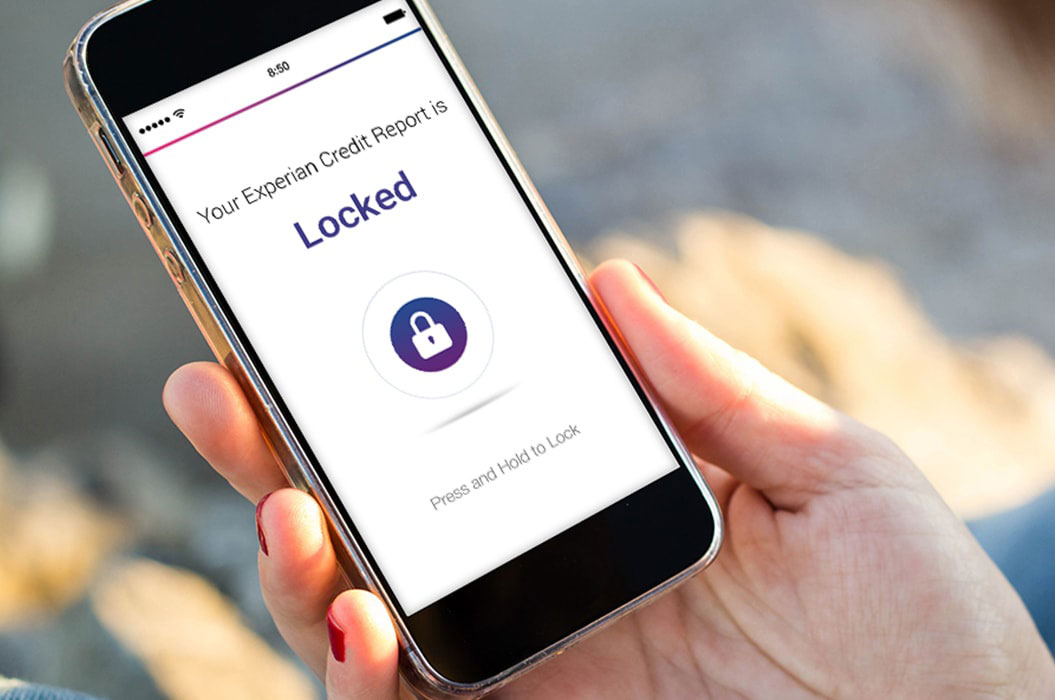
A credit freeze is a free way to restrict access to your credit report so most lenders cannot use it to open a new account in your name. It is one of the simplest steps consumers can take to make identity theft harder. You do not have to wait for a data breach or a fraudulent application to place one, and a freeze does not lower your credit score.
The important detail is that you must freeze your reports separately with all three nationwide credit bureaus: Equifax, Experian and TransUnion. Freezing only one report leaves the others available to lenders. The process is free, and you can temporarily lift a freeze when you are ready to apply for a mortgage, credit card, auto loan or other new credit.
What a credit freeze does—and what it does not do

When a freeze is active, most prospective creditors cannot access the frozen credit report to evaluate an application for new credit. That makes it harder for someone who has stolen your personal information to open a new credit card or loan in your name. It also means a legitimate lender may not be able to approve your own application until you temporarily lift the freeze.
A freeze does not block every kind of access. Existing creditors and certain companies or government agencies may still be able to access a report for permitted purposes. A freeze also does not stop someone from taking over an existing bank, email or credit-card account, using a stolen debit card, or filing a fraudulent tax return. It is a layer of protection for new credit accounts, not a complete identity-theft solution.
Placing or lifting a freeze does not affect your credit score. It is also free by federal law. The Consumer Financial Protection Bureau warns that paid credit locks are not more effective than the free security freeze consumers have a legal right to use. See the CFPB’s explanation of credit freezes.
You can place a freeze at any time, even if you have never been a victim of identity theft. Parents and legal guardians can also request a protected-consumer freeze for eligible children under 16, and certain authorized representatives can request one for an incapacitated adult. Each bureau has its own identity-verification process for these requests.
How to freeze your credit with Equifax, Experian and TransUnion

Use the official bureau websites rather than links in unsolicited emails or text messages. You will generally need to create or sign in to an account and verify your identity. The three direct starting points are:
- Equifax: Place or manage an Equifax security freeze.
- Experian: Freeze or unfreeze your Experian credit report.
- TransUnion: Place or manage a TransUnion credit freeze.
Complete the process with each bureau and save the confirmation information. Do not assume that a freeze at one company automatically applies to the other two. The U.S. government’s credit freeze guide explains the three-bureau process and the legal timing requirements.
Federal law requires a nationwide credit bureau to place a freeze within one business day when the request is made by phone or secure electronic means, or within three business days for a mailed request. When you request a lift by phone or secure electronic means, the bureau must remove the freeze within one hour; mailed requests can take up to three business days. Online account tools may process requests much faster, but allow time for the change to appear before a lender checks your report.
Keep your login information secure and make sure the email address and phone number on each bureau account are current. If you cannot verify your identity online, follow the bureau’s official instructions for phone or mail requests. Never send a Social Security number or identity documents to an unverified address.
How to lift a credit freeze and when to use a fraud alert instead

If you plan to apply for new credit, ask the lender which bureau it will check. You may be able to temporarily lift only that bureau’s freeze for a specific period rather than removing all three freezes permanently. If you do not know which bureau the lender uses, you may need to lift more than one. Once the application is complete, confirm that the freeze is active again.
A temporary lift is different from permanently removing the freeze. A temporary lift opens access for a period you choose; a permanent removal leaves the report available until you place another freeze. Both actions are free. TransUnion, for example, lets users schedule a temporary lift in its service center, while Equifax and Experian provide their own online controls.
A fraud alert is another option. Instead of blocking most access to the report, it tells lenders to take extra steps to verify your identity before opening new credit. An initial fraud alert generally lasts one year, and you can place it by contacting one of the three bureaus; that bureau must notify the other two. A freeze and a fraud alert can be used together.
If you believe someone has already used your information, do more than freeze your credit. Contact the affected bank or lender, secure your email and financial accounts, review your credit reports and file a report at IdentityTheft.gov. The FTC’s credit freeze and fraud alert guide explains how the tools work and when to use them.
A credit freeze is one of the strongest free steps for preventing many new-account fraud attempts. It takes a little time to set up at all three bureaus, but it does not lower your score and you remain in control of when lenders can access your files. Keep the freeze active until you need new credit, lift it only as long as necessary and restore it afterward.




Leave a Reply