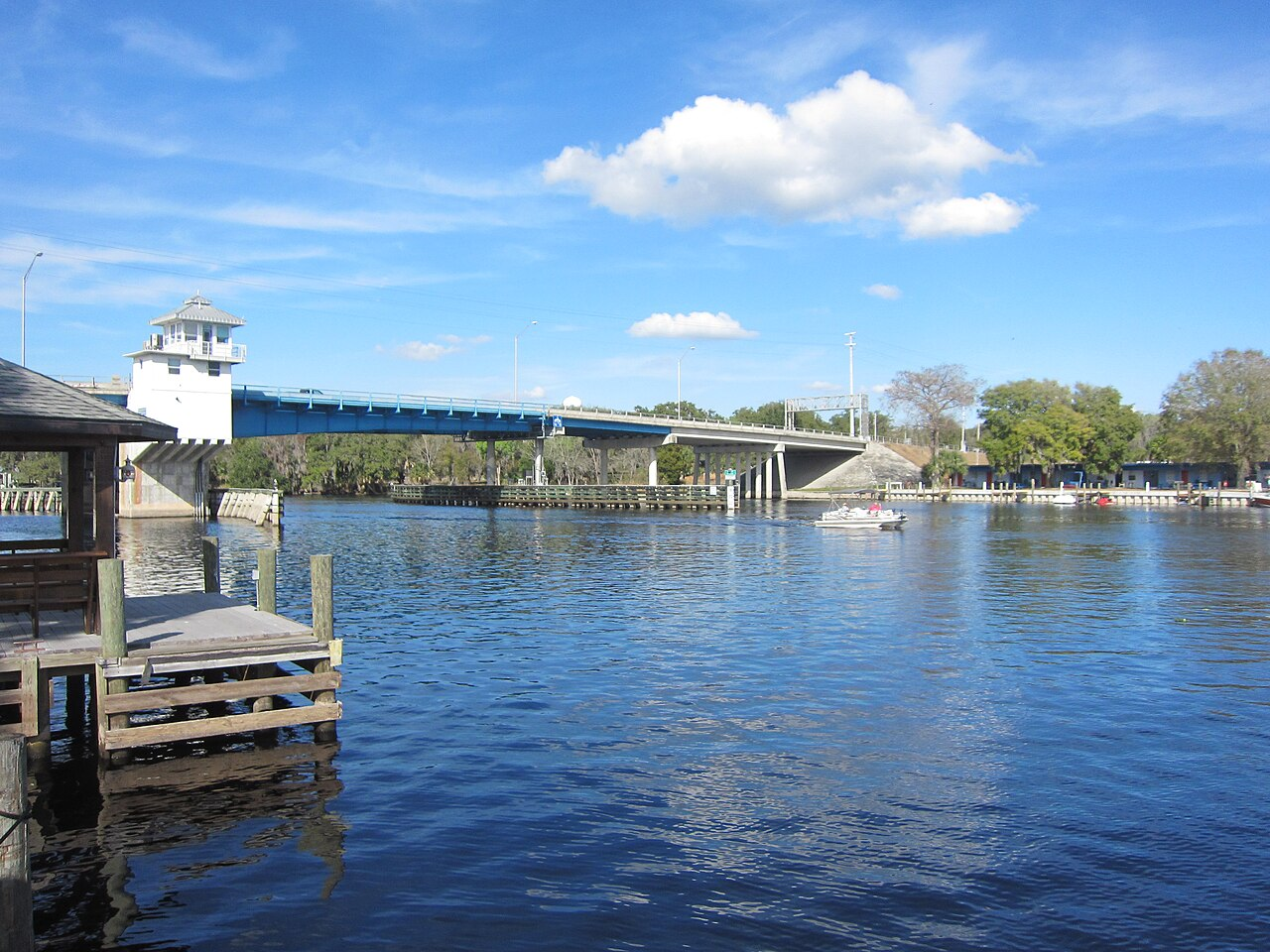
The St. Johns River near Cocoa, Florida, has broken a flood record that stood for 73 years — reaching 18.66 feet on Friday morning, more than a foot above the mark set in October 1953 — and as of Tuesday morning it is still sitting about two and a half feet above flood stage, with more rain on the way for Thanksgiving.
The Numbers: How High the River Got

The National Weather Service gauge near Cocoa tells the story. Flood stage there is 16.0 feet. The old record, about 17.55 feet, was set in October 1953.
- Friday, November 20, 6:15 a.m.: 18.66 feet — the record falls.
- Friday afternoon: 18.75 feet, already above the forecast crest of 18.7.
- Early Saturday, November 21: peak of about 18.77 feet.
- Tuesday, November 24, 4:15 a.m.: 18.51 feet, falling only slowly.
- Forecast: between 18.5 and 18.6 feet through Saturday, November 28. The river is expected to stay at moderate flood stage or higher for two to three months.
The river also broke records upstream: above Lake Harney near Geneva it reached 13.11 feet, and by Wednesday the flooding had reached Sanford, where the river near Lake Monroe crossed into major flood stage.
What the Flooding Has Done So Far

This is the second flood in three weeks for Brevard County. A November 1–2 rain event left two people dead, prompted more than 150 rescues, and caused major damage in south Brevard — and the county had less than three weeks to recover before the second deluge. This time, crews have pulled more than 100 people from flooded homes and streets in Brevard County alone, and State Road 46 was shut down. The rain totals explain why: a preliminary station report near Cocoa Beach recorded 24.26 inches over 72 hours, locations near Merritt Island got about 22 inches, and the Daytona Beach area took more than 13 inches in 72 hours. The St. Johns is Florida’s longest river, and the flooding stretches along its whole basin — river flood warnings remain in effect at Cocoa, Geneva, Sanford, DeLand, and Astor, with all five at or forecast to reach major flood stage.
More Rain Coming for Thanksgiving

A new Flood Watch covers Brevard, Indian River, St. Lucie, Martin, and Okeechobee counties from 1 a.m. Wednesday, November 25, through 1 a.m. Thursday, November 26 — Thanksgiving Day itself. The National Weather Service kept a “high risk” of excessive rainfall, the top level on its four-level scale, in place for the Atlantic coast between Melbourne and Daytona Beach, with forecasters warning of another 6 to 8 inches of rain before things ease. Wednesday’s rain could push the river back up, and forecasters expect it to stay in major flood stage into next week.
What Residents Should Do

Never drive through flooded roads — most flood deaths happen in cars, and the water hides washed-out pavement. Check the National Weather Service Jacksonville gauge readings before traveling near the river, and follow Brevard County emergency instructions. On the recovery side, the White House said on November 18 that FEMA was reviewing Florida’s request for help, but as of Tuesday morning, November 24, no disaster declaration had been issued, so there is no FEMA Individual Assistance yet for homeowners and renters. Keep receipts and photographs of any damage in the meantime.
Bottom line: The St. Johns River near Cocoa smashed its 1953 record at 18.66 feet, peaked near 18.77 feet, and is still 18.51 feet as of Tuesday morning — with a new Flood Watch for Thanksgiving and months of elevated water ahead. If you live along the river, treat the record as the new normal for now, not a one-day event.
Sources: National Weather Service (gauge readings and forecasts) · U.S. Geological Survey · WeatherBoy · Florida Today (via coverage) · Brevard County flooding updates, November 24, 2026.
Reporting status checked November 24, 2026. River levels change hourly — check the live NWS gauge for the current reading.
Don’t stop here. Explore more stories from The Immortal Times.





Leave a Reply
You must be logged in to post a comment.